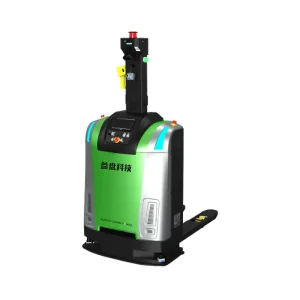
Explore our high-performance autonomous stackers, counterbalanced smart forklifts, and industrial-grade AMR chassis.
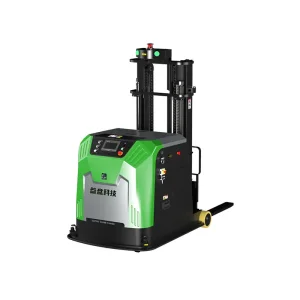
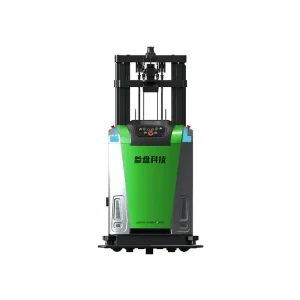
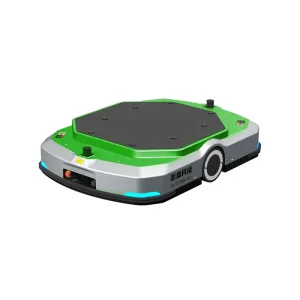
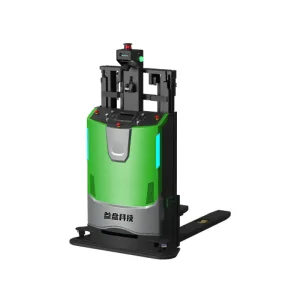
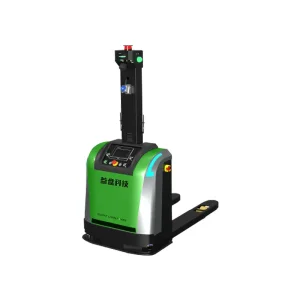
In the era of Industry 4.0, industrial material movement has moved past fixed, rigid machinery to dynamic, intelligent systems. SCP leverages actual logistics requirements to comprehensively innovate and optimize the overall supply chain planning of enterprises.
We supply industrial enterprises with comprehensive end-to-end supply chain solutions, establishing a multi-role, multi-dimensional intelligent supply chain collaboration system. This enables deep process optimization, autonomous planning, and real-time coordination. By positioning our digital solutions at the intersection of robust mechanical hardware and intelligent software, we help enterprises develop agile, flexible, and efficient intra-logistics workflows.
Currently, SCP's core architecture incorporates advanced laser SLAM technology alongside top-level supply chain control towers. This ensures complete integration across warehousing management systems (WMS), manufacturing execution systems (MES), and robot scheduling software.
Learn More About Our Technologies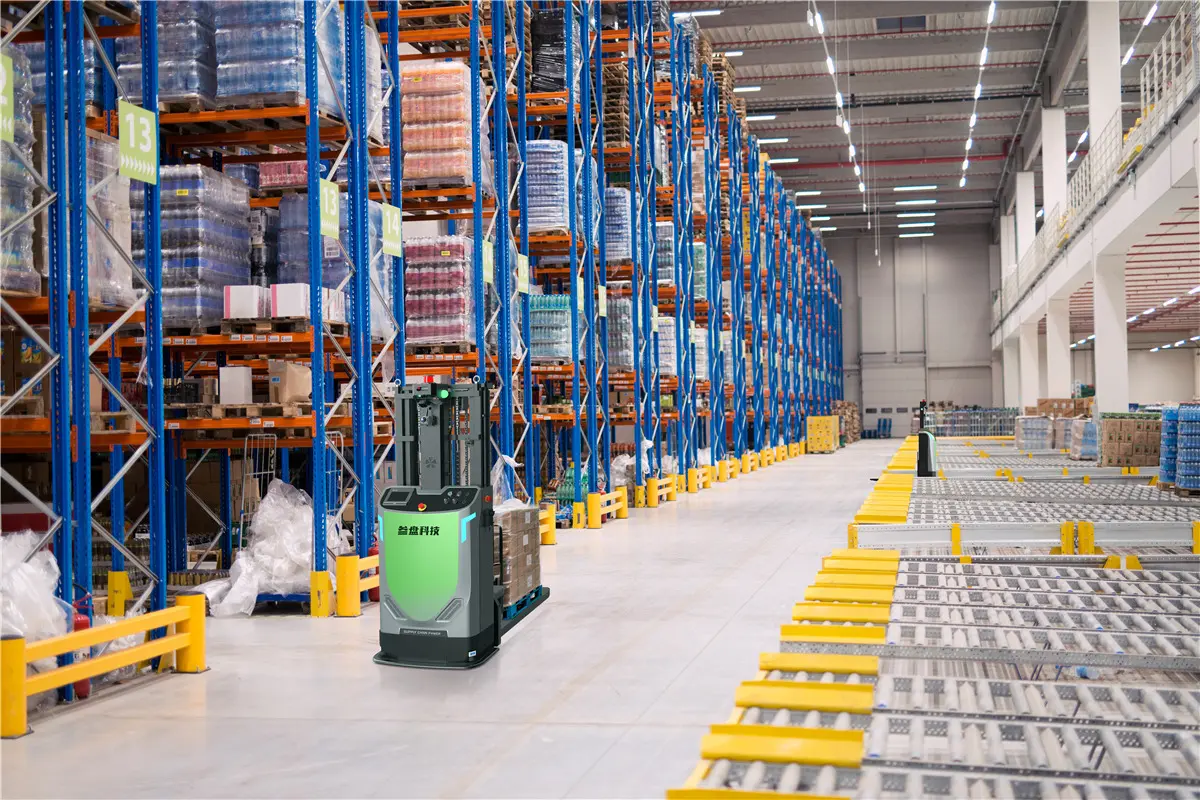
Seamless Automation Solutions: Zero-Risk Upgrades, Uncompromised Safety & Industry-Leading Efficiency.
Traditional floor designs struggle with costly downtime and rigid workflows. Our high-precision AMRs adapt dynamically, allowing for continuous line-side replenishment without requiring floor layout changes.
Resolve scheduling delays and throughput bottlenecks. SCP integrates advanced dispatch algorithms that optimize path planning, reducing empty-load travel by up to 30%.
Operating in low-temperature environments introduces electronic, battery, and fluid challenges. Our specialized cold-chain ready AMRs operate consistently down to -25°C, reducing risk to fragile cargo.
Avoid the pitfalls of closed-system AGV lock-ins. SCP features an open-API ecosystem, permitting seamless retrofitting of existing forklift fleets with minimal operational disruption.
The Evolution of Navigation: From Simple Guidance Systems to Swarm Intelligence and Multi-Sensor Fusion.
The industry is shifting from single-line LiDAR reflector guidance to Natural Features SLAM and 3D Vision-SLAM. Reflector navigation requires installing and maintaining physical reflective targets. Natural SLAM maps the existing environment using contours, walls, and structural pillars.
SCP’s technology roadmap integrates LiDAR, 3D Depth Cameras, and Inertial Measurement Units (IMUs). This multi-sensor approach maintains high localization accuracy, even in dynamic environments where up to 70% of local features are constantly changing.
By layering spatial semantic information over traditional 2D grid maps, our AMRs identify specific objects like pallets, structural columns, and human workers, enabling more intelligent obstacle avoidance.
Operating large, diverse fleets requires standardized robot scheduling. SCP's software stack aligns with the VDA 5050 communication interface, allowing different types of mobile robots (including standard AGVs and high-capacity stackers) to operate under a single central management console.
Achieved through high-frequency secondary positioning algorithms, laser sensor feedback, and real-time kinematic calculations during final approach.
Supports lithium iron phosphate (LFP) batteries with automatic opportunity charging. The system routes units to charging stations during natural lulls in work shifts.
Enables developers to monitor telemetry, alter paths, and trigger emergency stops programmatically from external WCS or WMS interfaces.
Deploying targeted automation solutions across manufacturing, food processing, logistics, and retail supply chains.
In modern manufacturing, keeping assembly lines continuously supplied with raw materials is essential. SCP's Laser SLAM AMRs integrate with Manufacturing Execution Systems (MES) to automate line-side delivery.
By monitoring production speeds in real-time, the system schedules and dispatches AMRs dynamically. This reduces raw material staging on the factory floor and minimizes line-side storage needs.
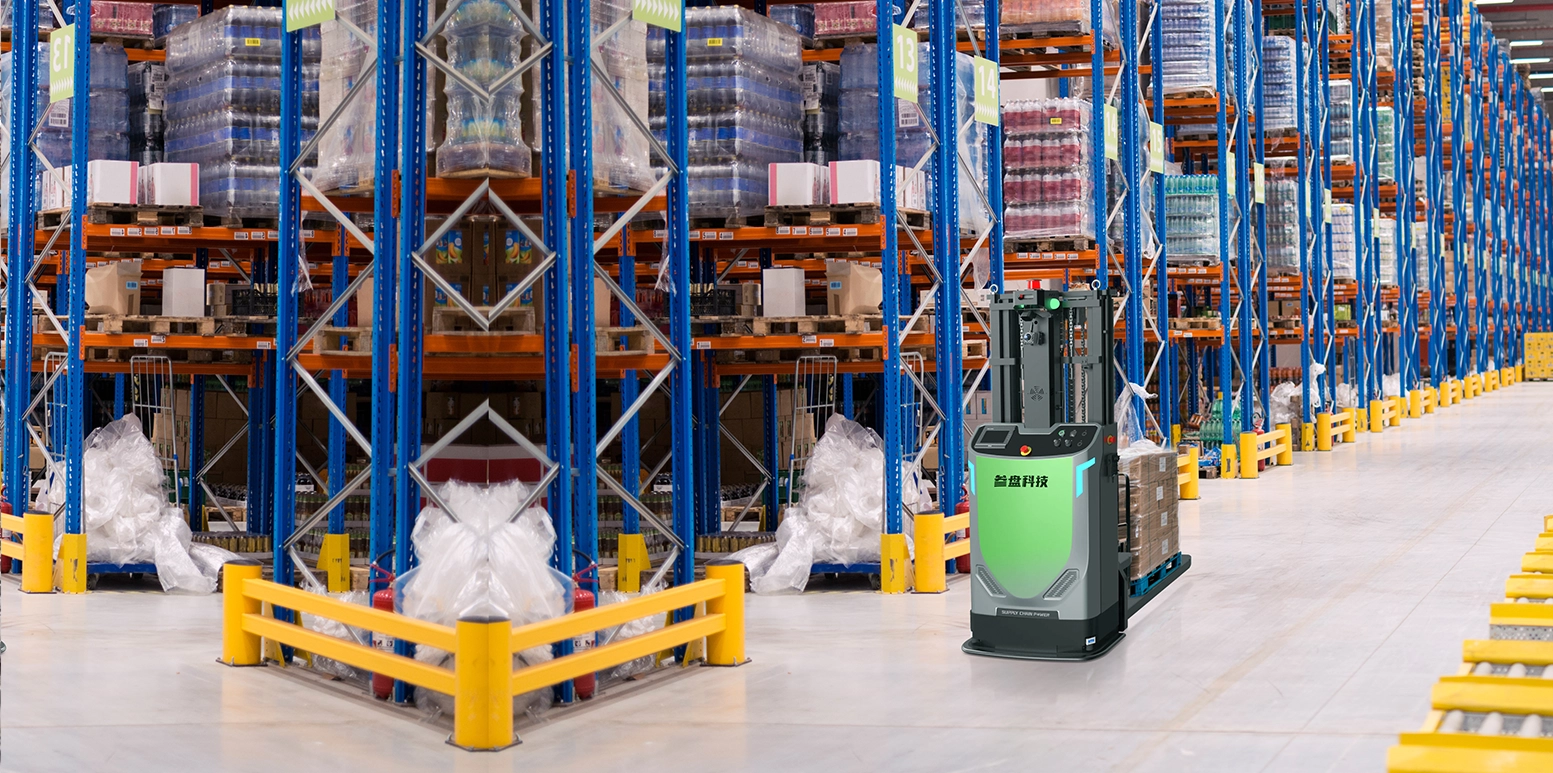
Large logistics centers require highly coordinated fleet movements to maintain throughput. By combining high-capacity smart forklifts with natural SLAM navigation, operators can manage pallet storage and retrieval without installing floor markings.
Our AMRs coordinate traffic flow automatically. If path congestion is detected, the central system reroutes robots to maintain continuous operations during peak demand.
Food production environments require washdown-compatible designs and strict contamination controls. SCP provides cleanroom-compliant chassis options featuring non-marking tires and stainless-steel components.
These vehicles help ensure hygienic transport between raw material receiving, processing areas, and final cold storage.
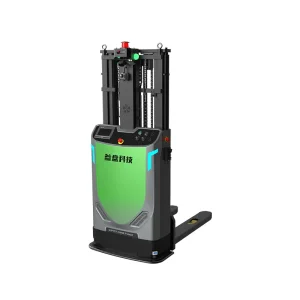
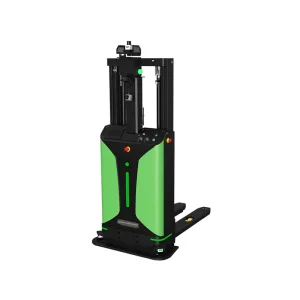
Micro-fulfillment centers and retail backrooms have narrow aisles and high pedestrian traffic. Small-footprint stackers (like the SFL-CDD14) use safety LiDAR to detect shoppers and workers, adjusting speed to navigate tight spaces safely.
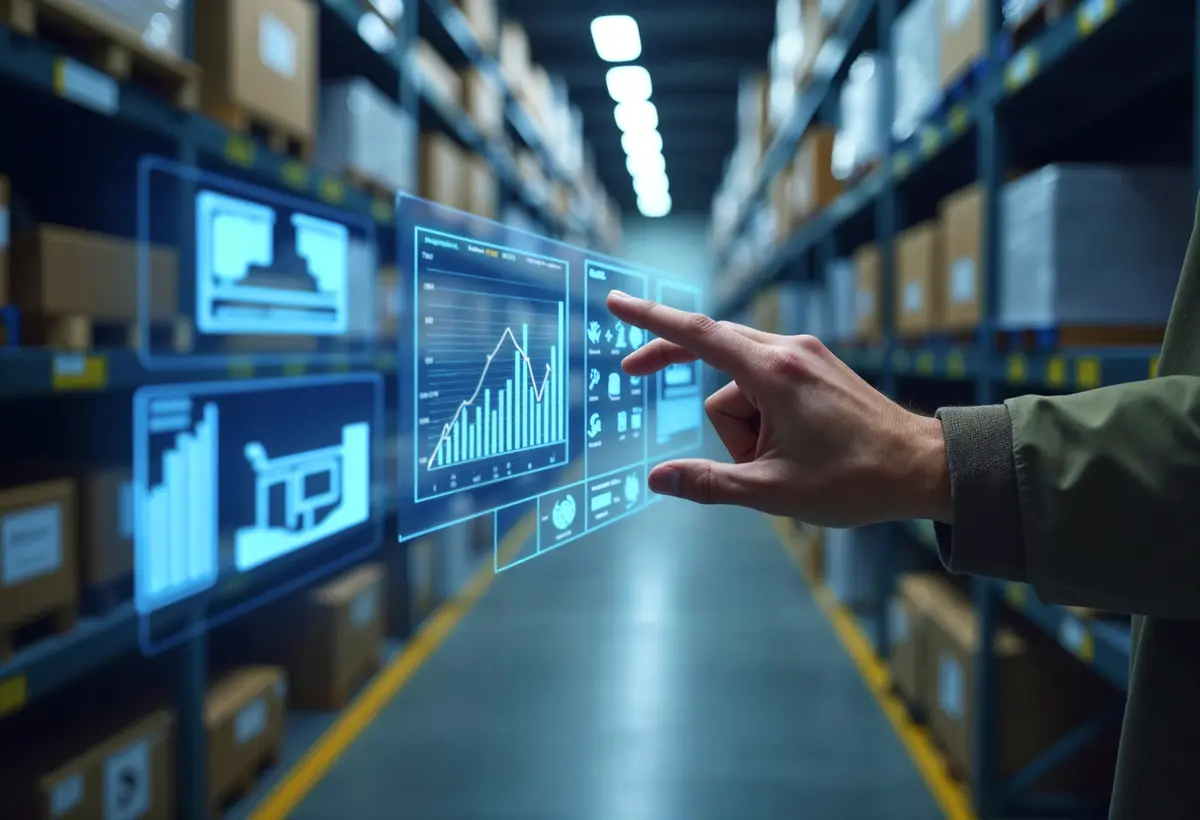
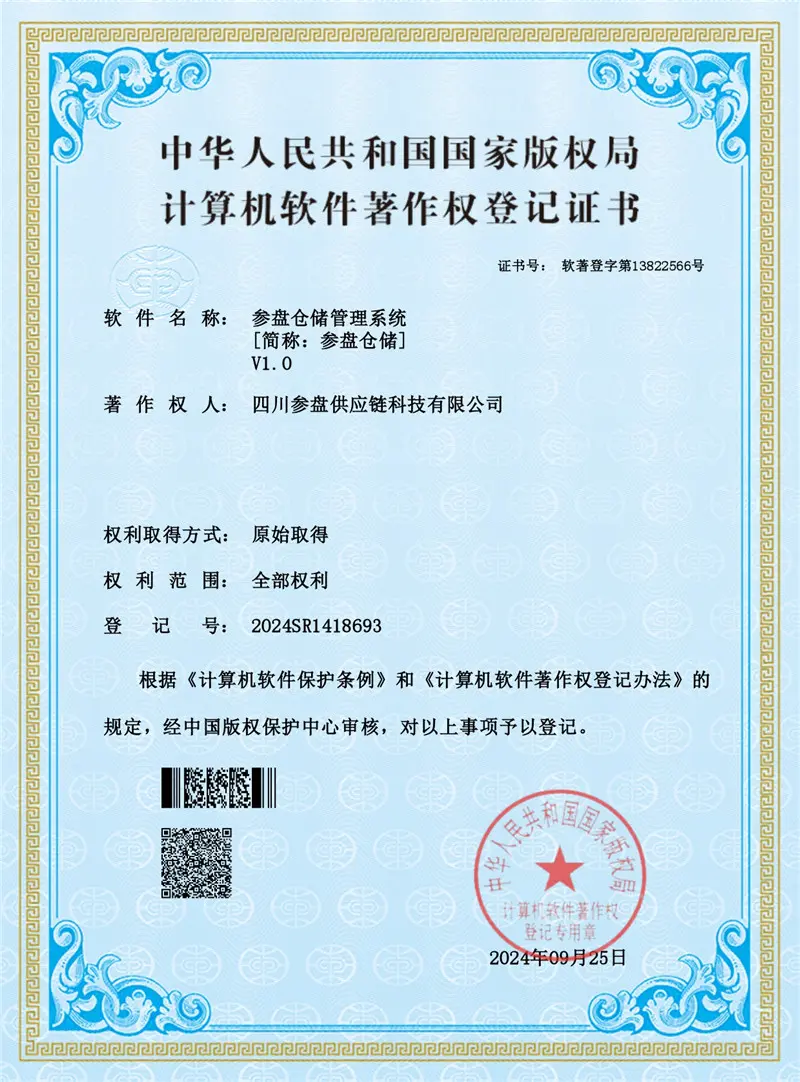
Deploying industrial robotics globally requires strict adherence to international safety standards. Our platforms are designed, tested, and certified to meet regional requirements, facilitating smoother site approvals and regulatory compliance.
Key certifications and safety features include:
Analyzing the manufacturing ecosystems and supply chain integration that support cost-effective industrial AMR production.
China's advanced manufacturing clusters bring together LiDAR sensor makers, drive wheel engineers, control board fabricators, and chassis fabricators in close proximity. This concentration simplifies logistics, speeds up prototyping, and reduces overall shipping costs.
By sourcing critical structural, electrical, and sensor components locally, we reduce assembly lead times and minimize vulnerability to global shipping disruptions.
Our integrated manufacturing and assembly process helps lower production costs without compromising component quality. These savings are passed on to customers, helping them achieve an estimated payback period of under 18 months.
Integrated Assembly: Brings electrical engineering, software integration, and structural welding together under one roof, reducing assembly overhead.
Continuous Component Testing: Incoming sensors, batteries, and mechanical actuators undergo automated testing before final assembly.
Agile Design Modifications: Allows for quick design changes to modify chassis dimensions, lift heights, or mast configurations based on project requirements.
Guidelines for assessing, testing, and selecting industrial AMRs based on total cost of ownership (TCO) and site requirements.
Selecting the right AMR requires evaluating more than just the base price. Sourcing teams should look at the total cost of ownership (TCO), including setup costs, software licensing, replacement batteries, and support contracts. Below is an overview of key performance indicators used to compare different platform configurations:
| Model Series | Primary Navigation Method | Rated Capacity | Average Battery Run Time | Ideal Application Scenario |
|---|---|---|---|---|
| SFL-CPD20-Y | Laser SLAM (Natural Features) | 2,000 kg | 6 - 8 Hours (Continuous) | Heavy pallet transport and high-bay racking systems |
| SFL-CDD16 | Laser SLAM / Hybrid Navigation | 1,600 kg | 8 Hours | Medium load transport and double-deep racking operations |
| SFL-CDD14-CE | Laser SLAM (Narrow-Chassis) | 1,400 kg | 8 Hours | Narrow-aisle logistics and European-standard pallet setups |
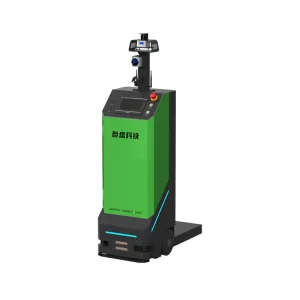
| AMB-CSW10-BH | Laser SLAM (Undercarriage Chassis) | 1,000 kg | 8 Hours | Custom conveyor top-module integration and line replenishment |
| SFL-CBD30 | Reflector / Natural SLAM Hybrid | 3,000 kg | 10 Hours | High-capacity floor-to-floor logistics and heavy component staging |
Designing and building efficient, reliable logistics platforms for the future.
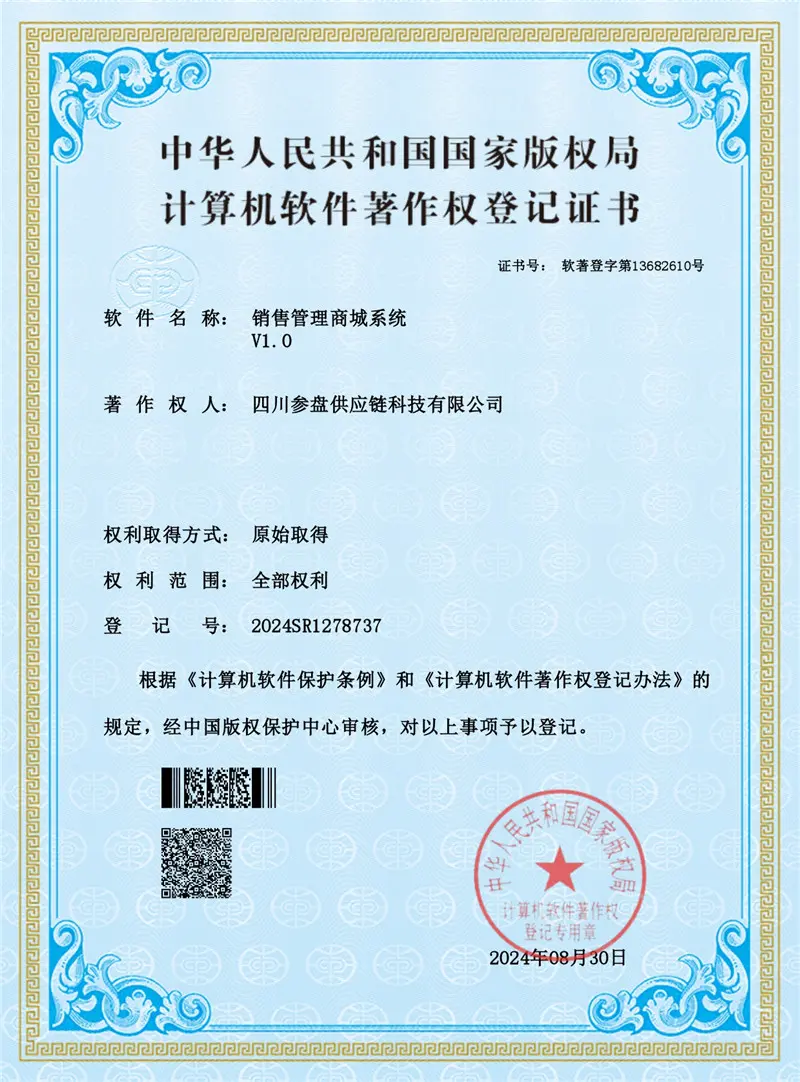
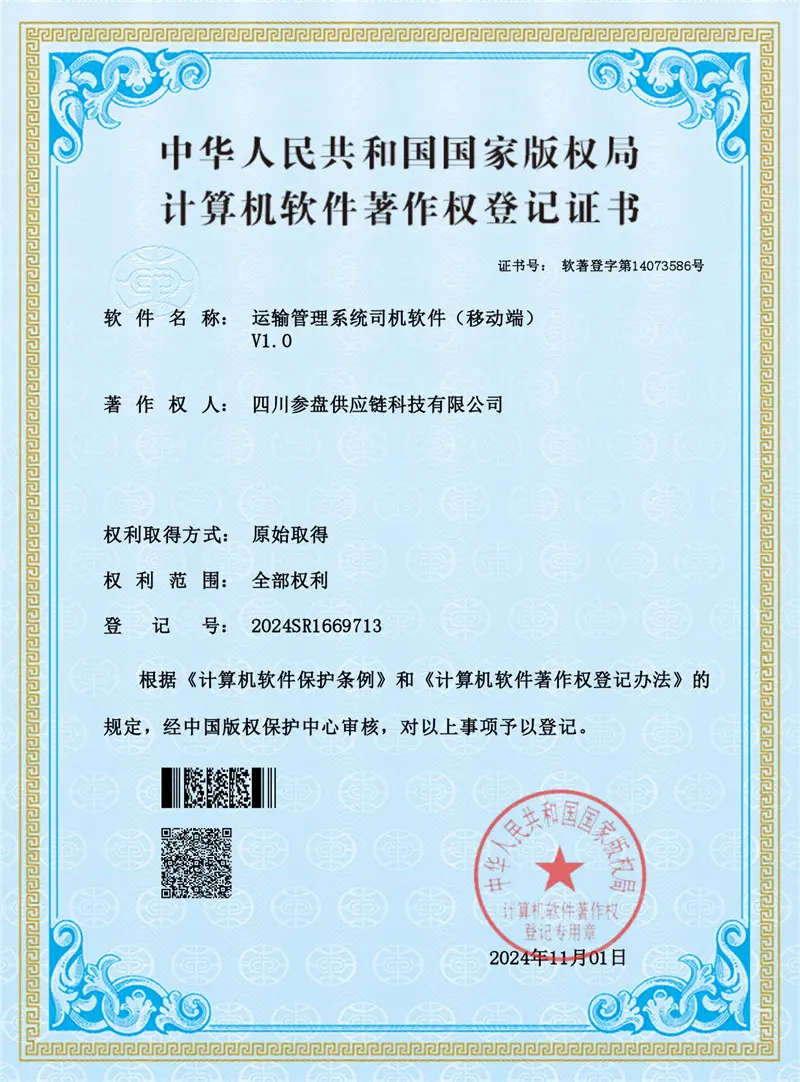
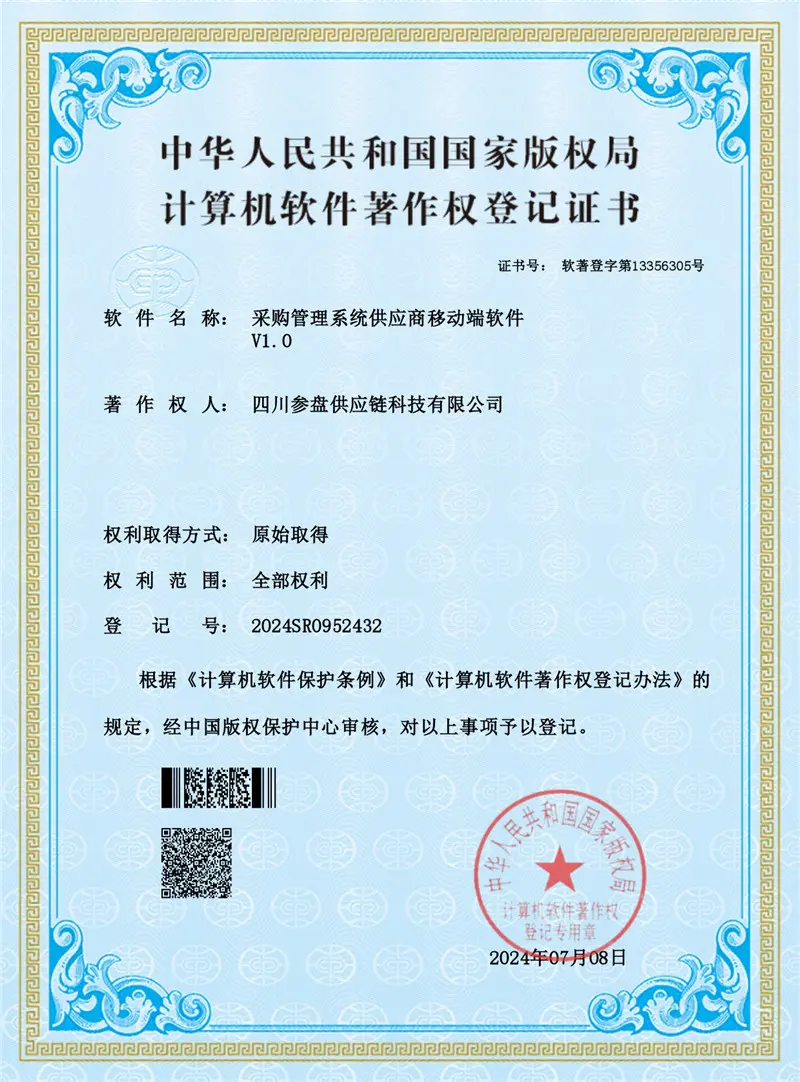
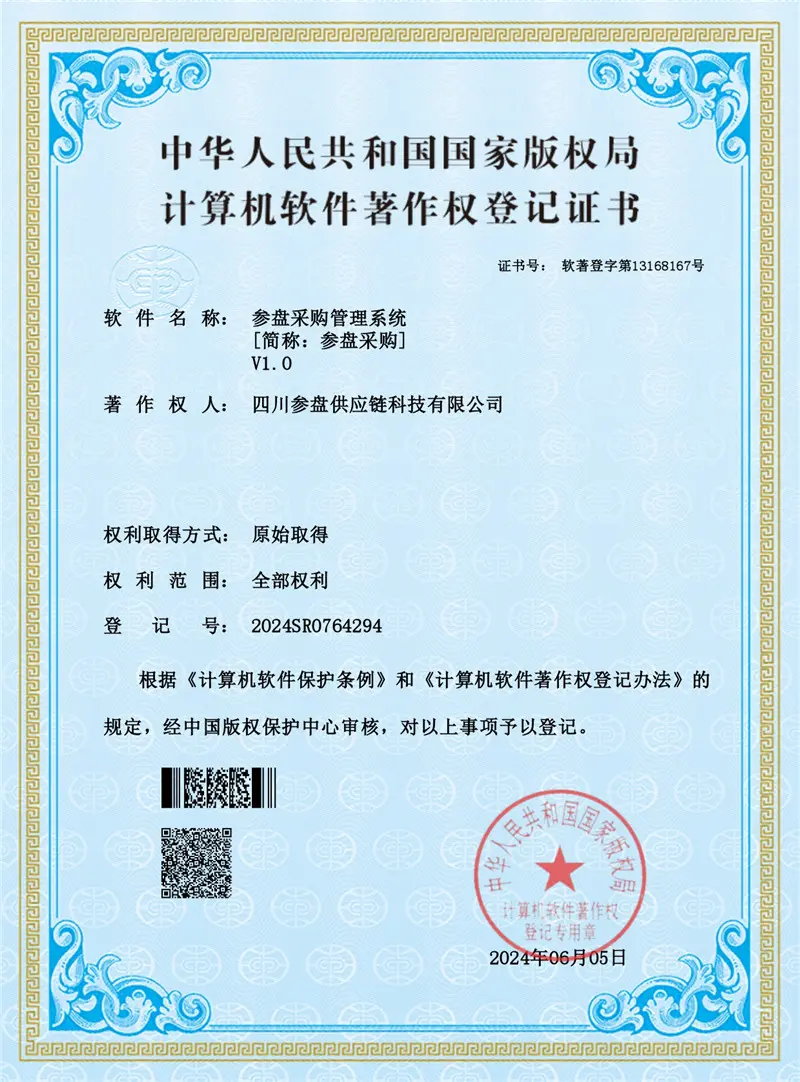
We continue to invest in improving our core product architecture. By developing our own procurement, sales, and supply chain planning software, we help customers build a flexible digital foundation.
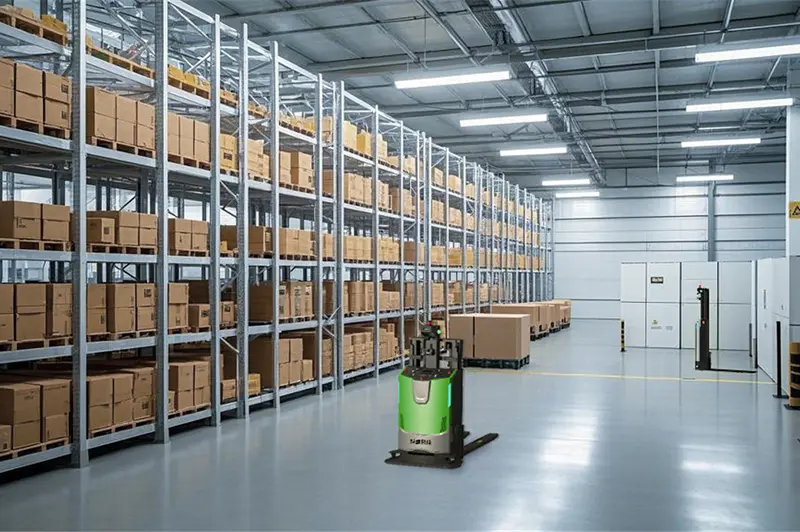
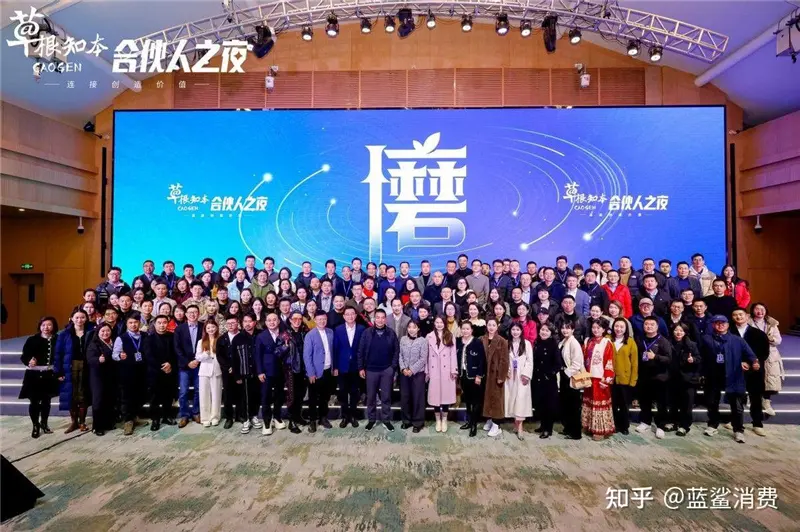
Backed by the industrial resources of the New Hope Group and Caogenziben, SCP designs solutions for real-world scenarios. We work with international partners to expand our support networks and system capabilities.
We focus on developing green, energy-efficient logistics systems. By optimizing vehicle routing and battery usage, we help customers reduce energy waste and improve fleet efficiency.
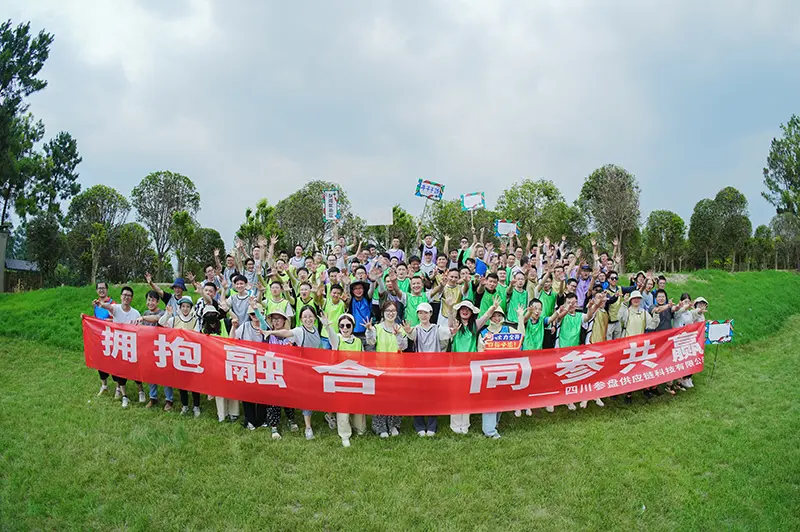
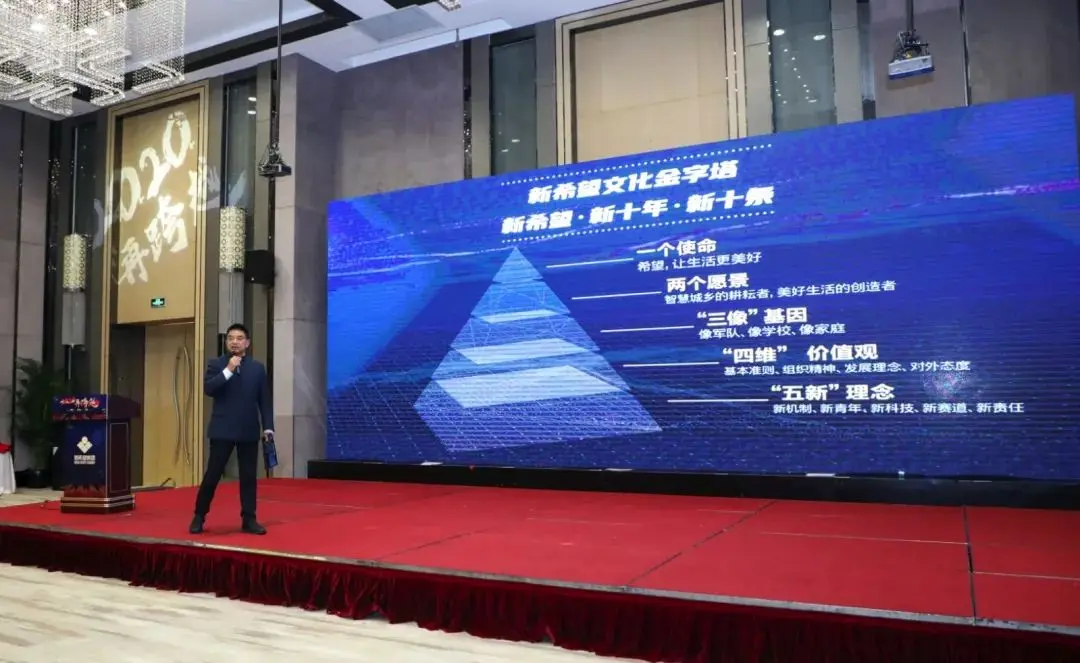
Aligned with New Hope Group’s mission of benefiting communities, we aim to design tools that improve work safety and help stabilize supply chain operations.
Supported by a dedicated R&D team, we continuously update our software and hardware architectures to resolve common logistics bottlenecks.
We work closely with clients and system integrators to build a shared ecosystem, aligning developers and end users.

From initial design consulting to final implementation, we customize our delivery to meet the requirements of each facility.
Our products undergo rigorous testing to meet international safety and performance standards.
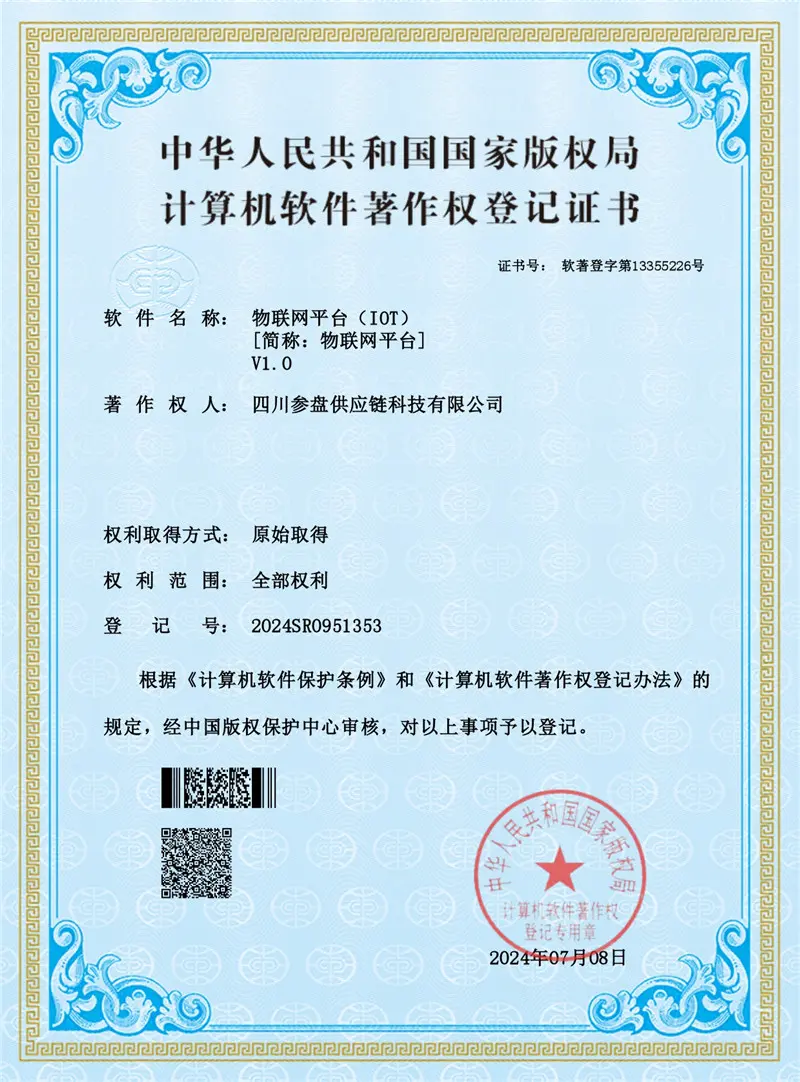
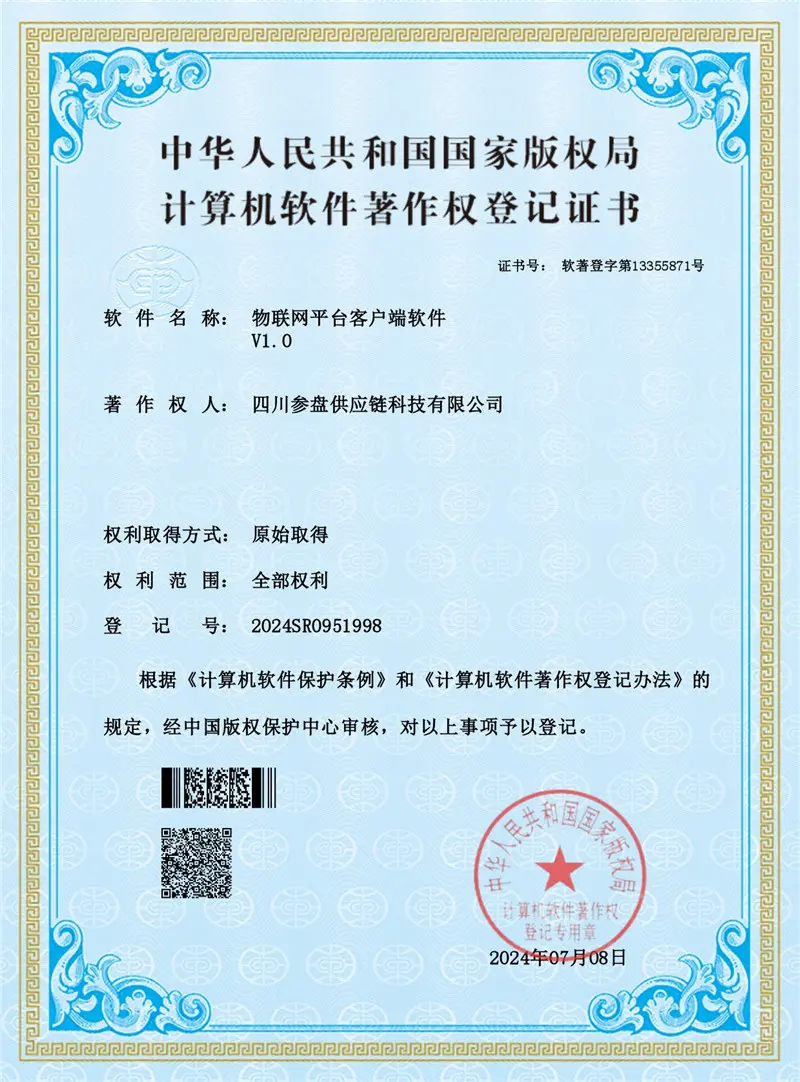
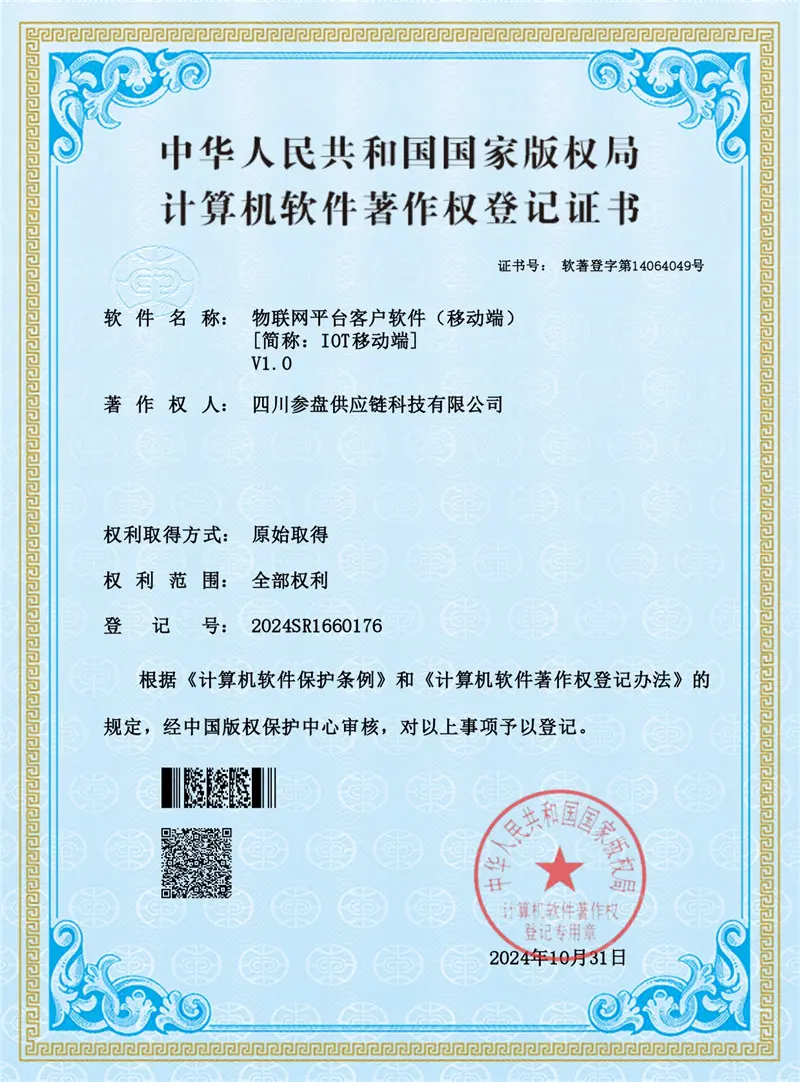
Get professional answers to common questions about Laser SLAM navigation, integration, and safety compliance.
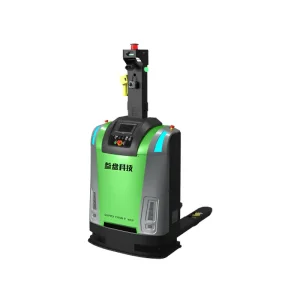
Browse our selection of specialized laser SLAM forklifts, high-capacity tow tractors, and narrow-aisle stackers.
 SCP Technology