Explore our high-performance autonomous handling systems tailored for rapid deployment, high load capacities, and narrow aisle environments.
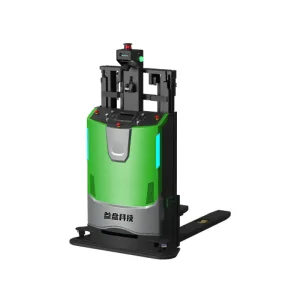
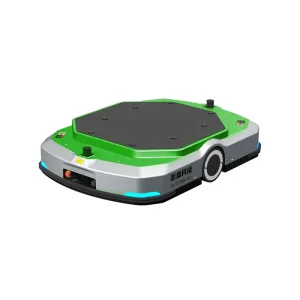
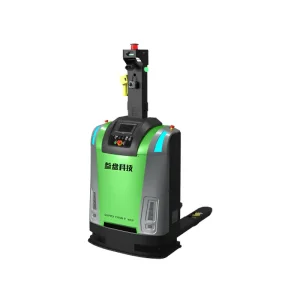
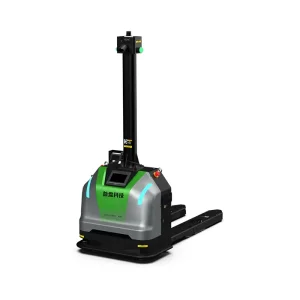
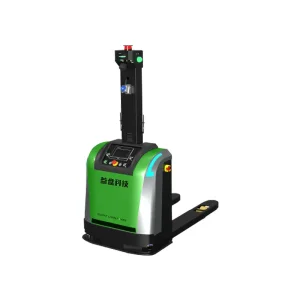
Modern material handling environments are undergoing a critical evolutionary shift. Traditional automation structures, once defined by rigid layout configurations and closed system barriers, are struggling to match the dynamic requirements of high-velocity logistics. According to recent industrial data, the transition from classic AGVs (Automated Guided Vehicles) to flexible, adaptive AMRs (Autonomous Mobile Robots) is accelerating at a compound annual growth rate exceeding 22% globally.
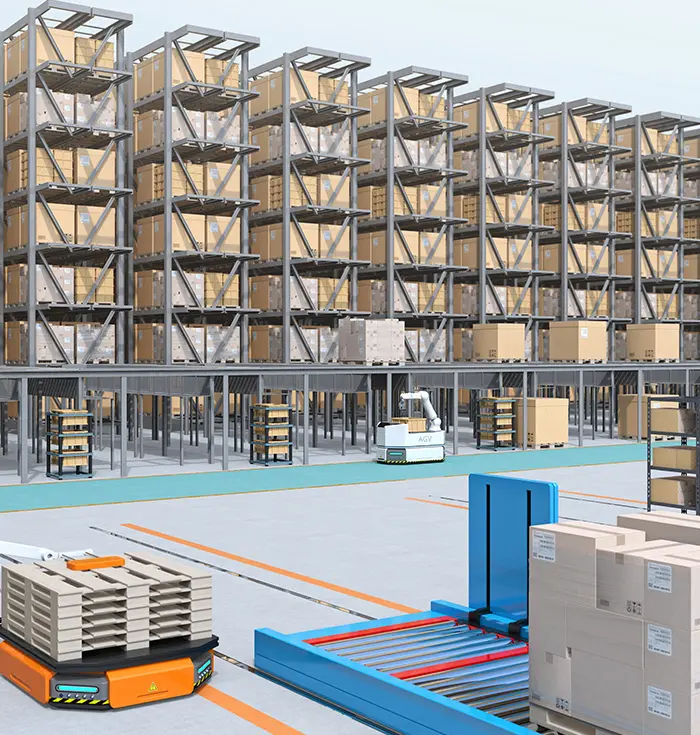
This structural change is primarily driven by three macroeconomic realities: labor supply fluctuations, spatial volume optimization, and the demand for zero-downtime integration. Distribution center robots are no longer simple transport mechanisms; they are cognitive logistics agents that build real-world environmental maps in real-time, self-adjust trajectories during workflow changes, and synchronize seamlessly with Enterprise Resource Planning (ERP) and Warehouse Management Systems (WMS) via open interfaces.
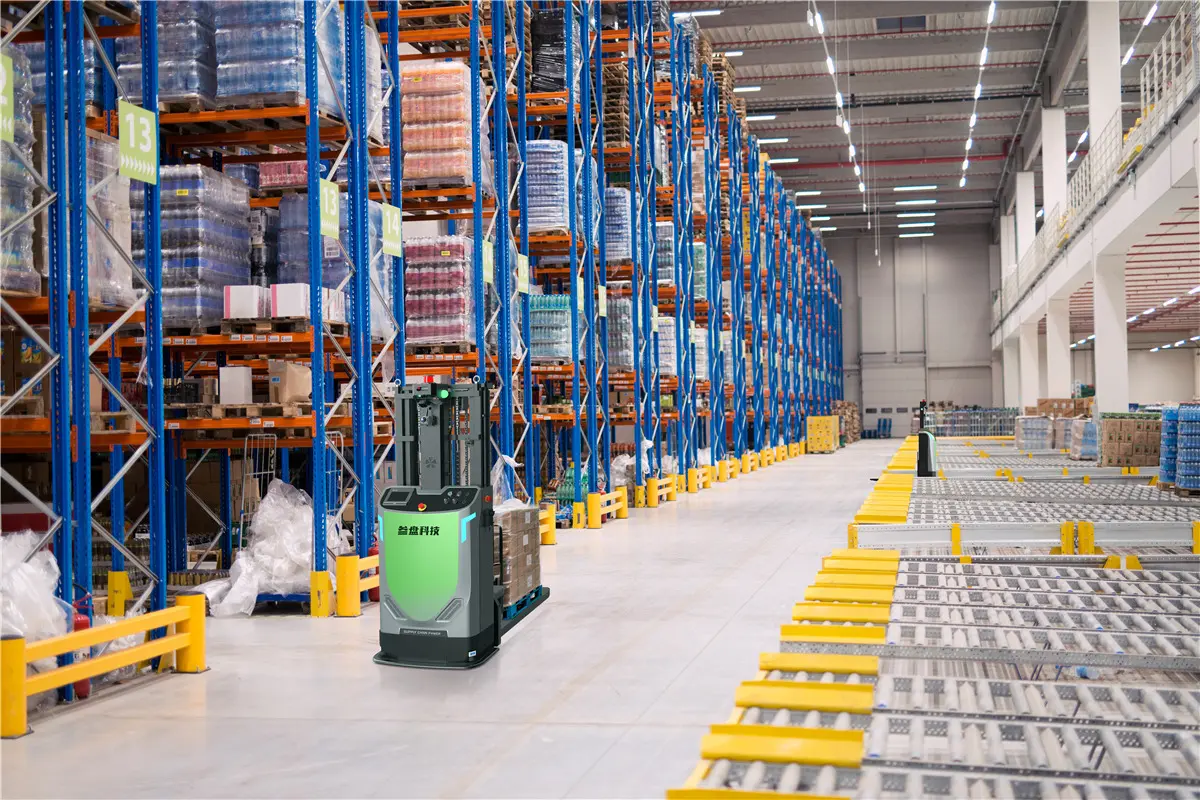
Across varying logistics and industrial environments, operational complexities prevent standard systems from reaching maximum productivity. Our solutions break down these operational bottlenecks.
Eliminates costly downtime and rigid layout limitations. Replaces fixed structural tracks with dynamic, map-based safety routes.
Resolves critical peak scheduling delays and structural throughput bottlenecks via decentralized coordination and fast route recalculations.
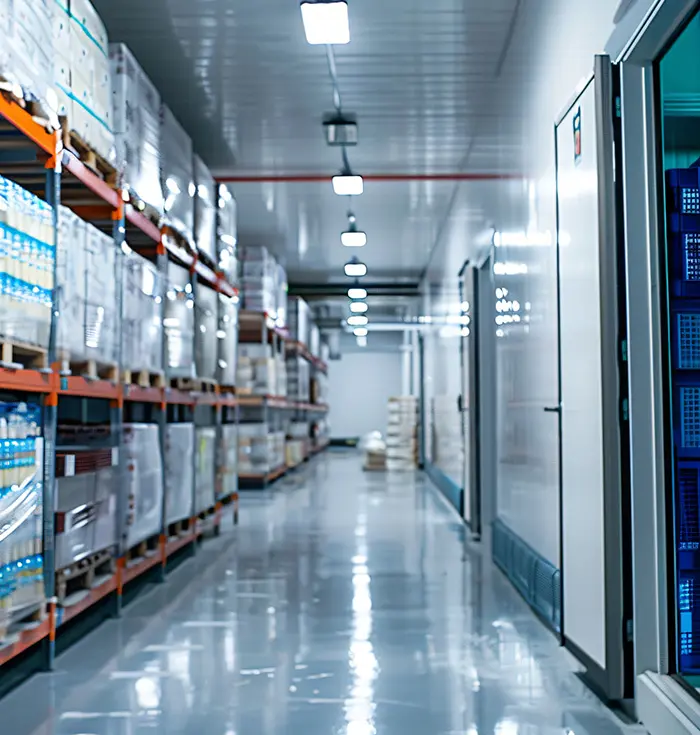
Protects fragile, temperature-sensitive cargo with smooth driving dynamics, and handles complex environments without operator fatigue.
Bypasses the challenges of complex AGV integration, eliminating high vendor lock-in with open system architectures and standards-based interfaces.
Observe SCP technologies operating within real-world environments. Experience robust laser SLAM navigation, smart path planning, and uninterrupted warehouse operations.
Our systematic integration methodology yields reliable efficiency improvements. Explore the core strengths that position us as a leading technology partner.
Our software-defined site mapping permits systems to be active within a single operational day. Minimum physical facility adaptations are required, reducing setup friction.
By blending advanced LIDAR sensors with multi-spectrum SLAM positioning, SCP hardware achieves precise navigation and reliable material placement.
Easily link with active storage management platforms. Control tasks, review analytics, and monitor performance status via lightweight REST integrations.
From initial design evaluation to floor software deployment and system monitoring, we deliver unified, integrated service throughout your automation journey.
Optimized energy management, low initial setup costs, and reduced material handling errors ensure quick capital recovery and consistent long-term ROI.
Benefit from the deep corporate support and resources of a massive global network, ensuring project implementation and long-term service stability.
Integrating innovative software solutions with industrial hardware, we design smart logistics systems built for future growth.
SCP matches actual business needs with strategic planning to optimize the end-to-end supply chain. By designing coordinated ecosystems, we help organizations break down data silos and optimize material flow across complex distribution networks.
Leveraging software orchestration and high-durability hardware, we establish clear control towers that deliver end-to-end operational visibility. This enables warehouse teams to dynamically scale throughput, maintain high safety standards, and confidently lower total operational costs.
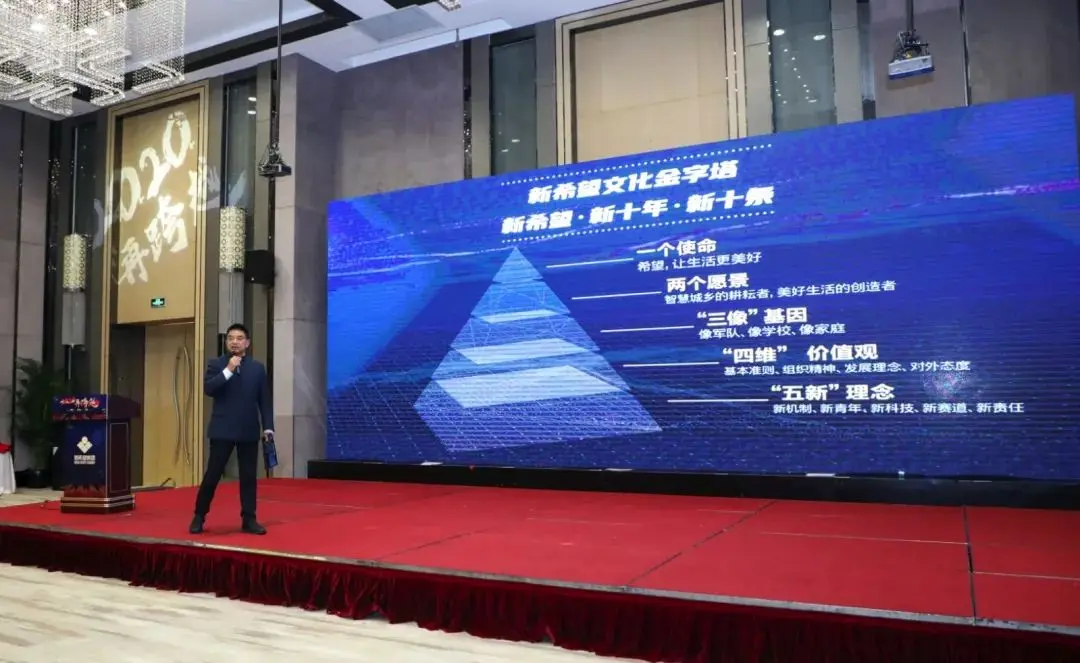
As a subsidiary of New Hope Group, we possess an established market reputation and an in-depth understanding of multiple industries.
Incubated directly from live digital needs, we design systems tailored to real-world, daily operational situations.
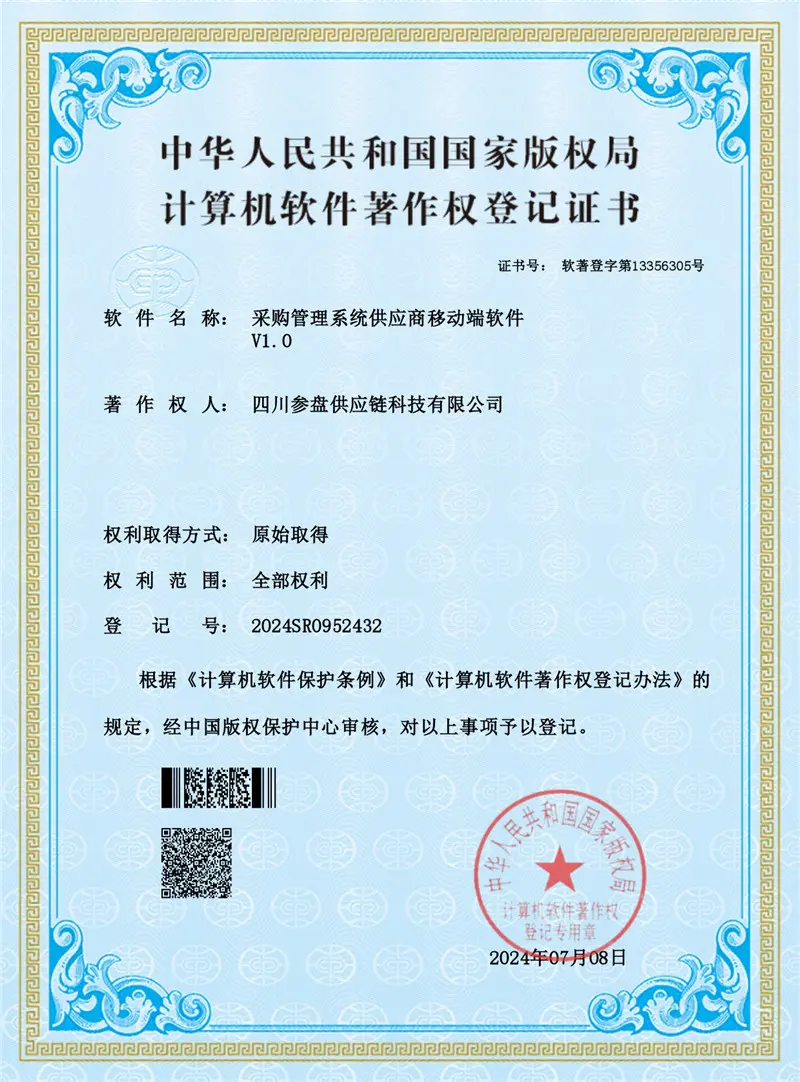
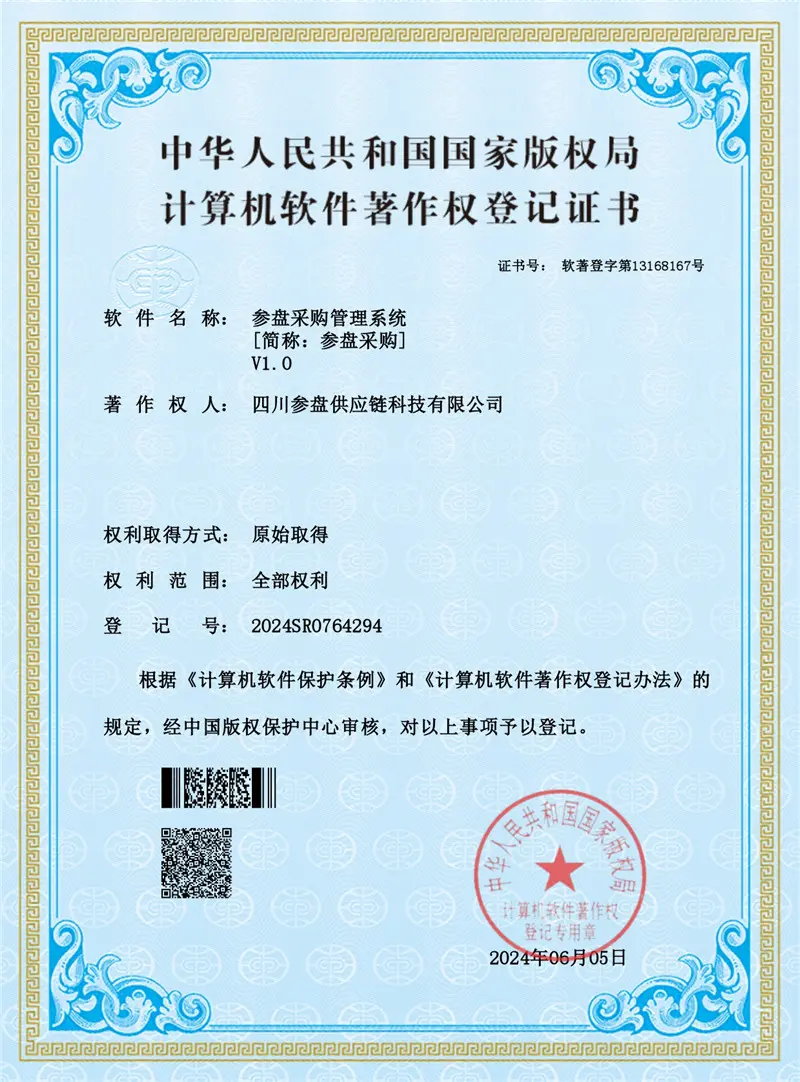
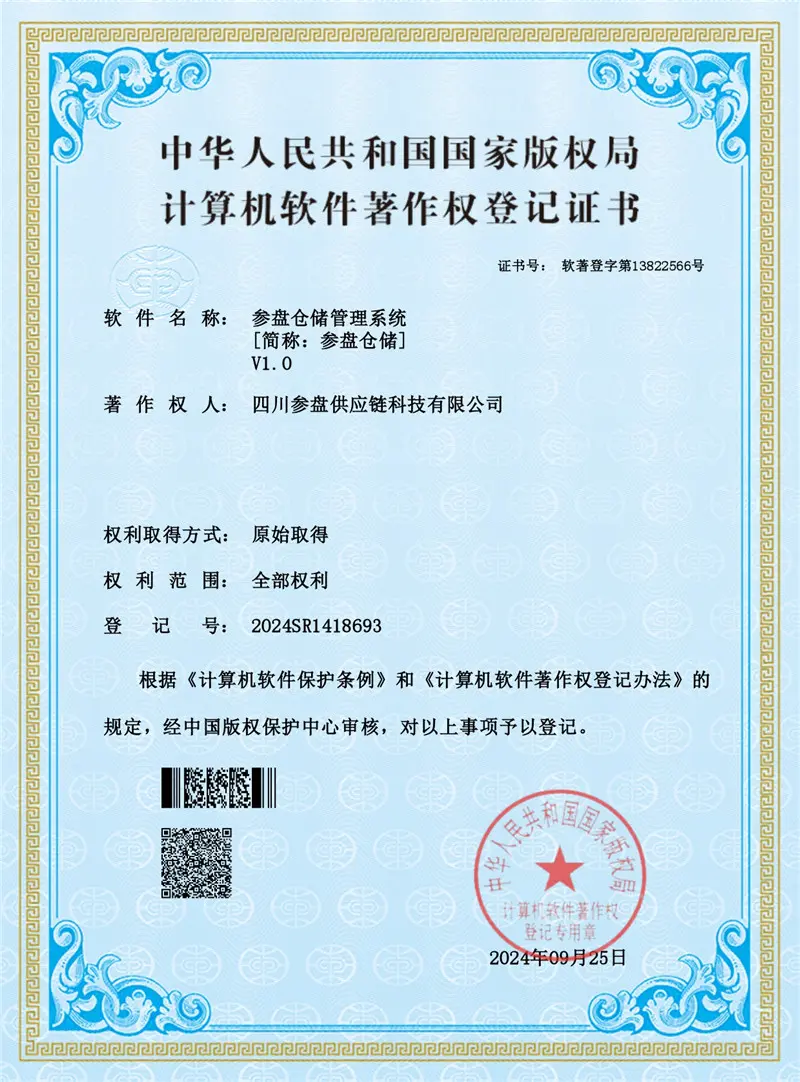
We own the IP and design rights for our procurement, sales, and supply chain software, enabling tailored customizations.
We deliver expert consulting alongside deployments, facilitating process optimization and weight assessment.
Explore how our automation solutions optimize productivity across key industrial sectors.
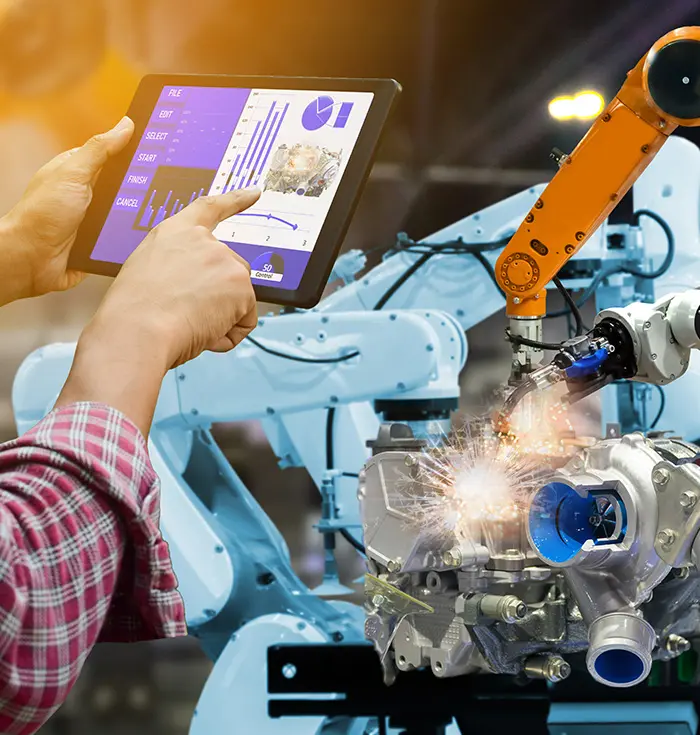
Our systems operate consistently in manufacturing plants, distribution warehouses, food processing centers, and retail facilities. Through advanced fleet routing, robots maintain continuous material movement without human intervention, maintaining production throughput.
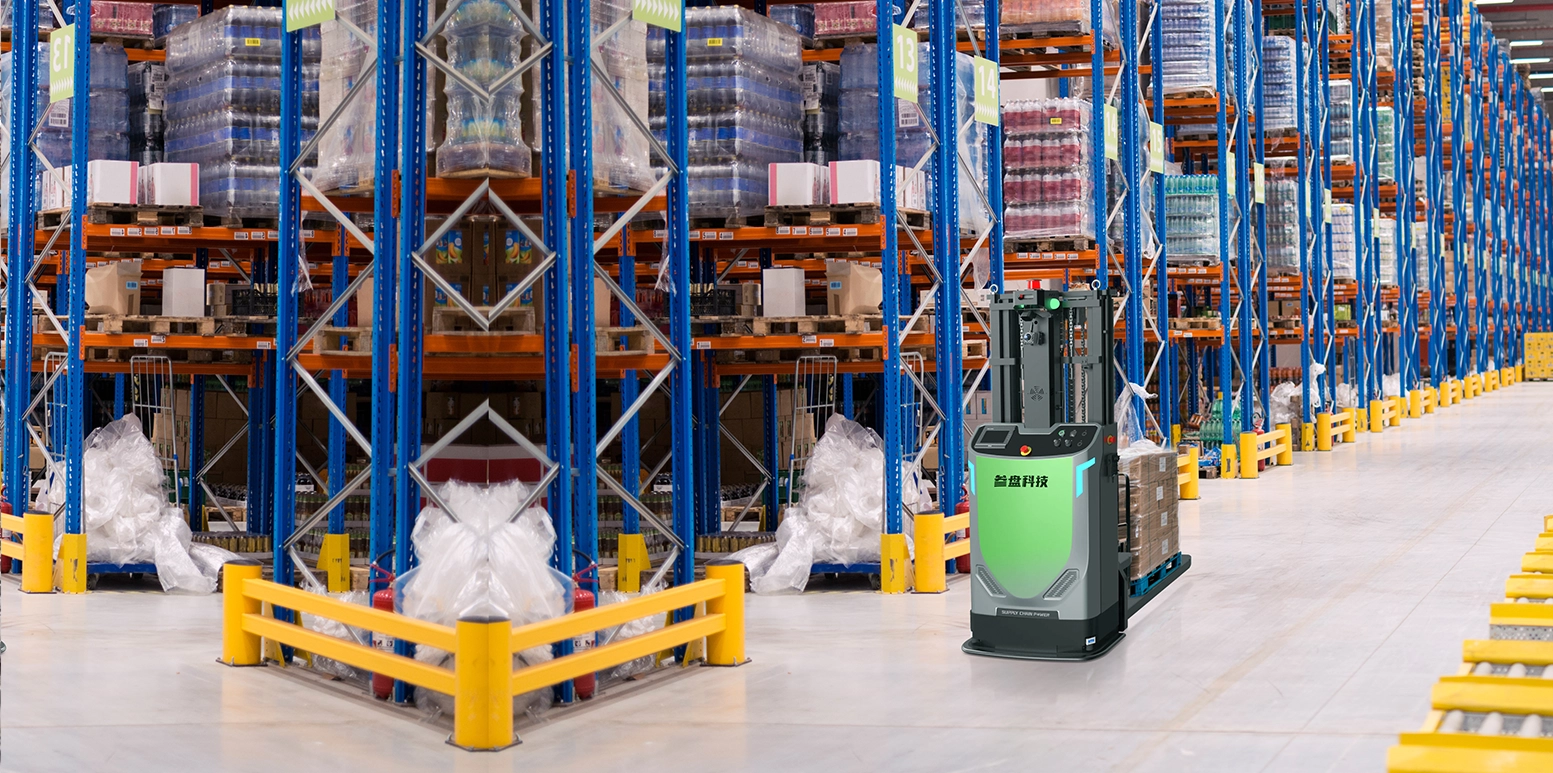

Efficient automation requires both capable physical equipment and intelligent system control. SCP builds high-performance solutions for food distribution and supply chain networks using advanced software orchestration.
By leveraging the Internet of Things (IoT), AI decision models, and machine learning, our technology ecosystem integrates supply, production, and sales. It turns real-time warehouse data into actionable logistics decisions, helping facilities transition into smart logistics hubs.
How we design technology to build long-term, eco-friendly supply chain operations.
We consistently invest in core technology development, focusing on control tower software and energy-efficient hardware. By designing flexible architectures, we help clients adapt to new market demands while minimizing unnecessary hardware replacement.
Working with partners worldwide, we build sustainable supply chains that optimize transport routes and reduce carbon emissions. By upgrading cold chain and retail logistics, we help reduce waste and improve energy efficiency across the industry.
By prioritizing flexible automation, we enable facilities to easily modify operational workflows. This long-term adaptability extends the lifespan of active equipment and ensures warehouses remain resilient to changing logistics demands.
The guiding principles behind our engineering designs and customer partnerships.
We align our operations with social responsibility, ensuring our technology helps build stable, secure, and sustainable supply chains.
With an active R&D team of over 300 professionals, we continuously push the boundaries of SLAM navigation and fleet orchestration software.
We work closely with integration partners and logistics managers to build open, collaborative systems that deliver mutual value.
From initial design consulting to post-deployment support, we structure our workflows to protect and improve customer operational performance.
Our hardware and software systems meet strict international standards for safety, reliability, and precision handling.




A structured approach to integrating autonomous robot fleets into active warehouse environments.
We analyze facility layouts, material flows, and software structures. Our simulation testing verifies planned routes, fleet size requirements, and load cycles before shipping hardware.
Our engineers perform initial path runs to build the master environment map. We mark safety buffer zones, loading docks, and battery charging locations.
We connect the fleet dispatch system with the facility WMS or ERP using our standard API, enabling automated, real-world task assignment.
The site transitions to active operations. Management tools track vehicle locations, battery status, and load cycles, helping optimize total daily throughput.
Clear answers to common questions about selecting, deploying, and operating distribution center robots.
Traditional Automated Guided Vehicles (AGVs) rely on fixed infrastructure like magnetic tape, floor wires, or embedded reflectors to follow set paths. If an obstacle blocks the path, the AGV stops until it is cleared. In contrast, Laser SLAM Autonomous Mobile Robots (AMRs) use built-in LiDAR sensors to map the warehouse in real-time, allowing them to dynamic route around obstacles and adapt to changes without facility modifications.
We combine high-resolution safety LiDAR sensors with wheel odometry and inertial measurement units (IMUs) through sensor fusion algorithms. For precise docking and high-rack loading operations, the robots use 3D perception cameras to verify pallet and rack positions, adjusting final placement to within ±5mm.
Yes. Our fleet software uses a standard, open API ecosystem supporting RESTful APIs, WebSockets, and Modbus TCP. This enables integration with major Warehouse Management Systems (WMS) and ERP platforms, allowing automated dispatch and inventory updates.
SCP hardware complies with major international safety standards. Our platforms carry CE marking and align with safety standards including ISO 3691-4, EN 1175, and ANSI/ITSDF B56.5 for driverless industrial vehicles. They feature dual-safety PLCs, multi-zone safety scanners, and physical emergency stop controls.
Most distribution facilities achieve full capital recovery in under 18 months. This ROI is driven by continuous 24/7 operation, reduced product and facility damage, lower labor costs, and rapid deployment that avoids long, expensive setup periods.
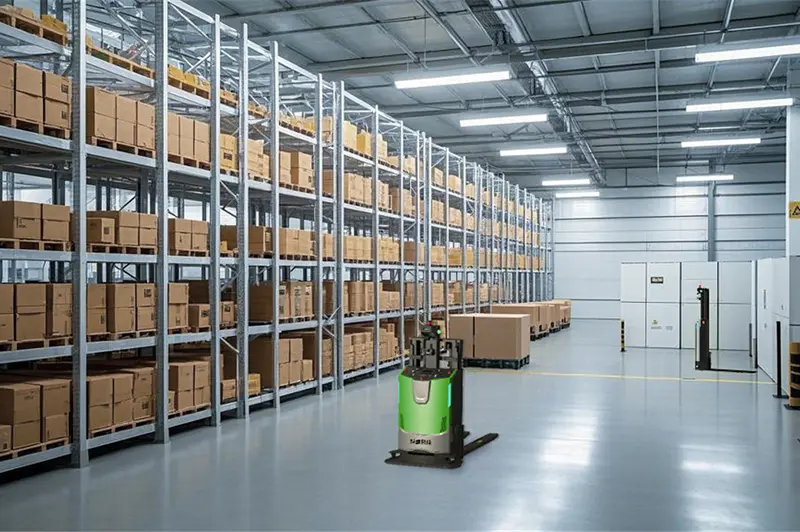
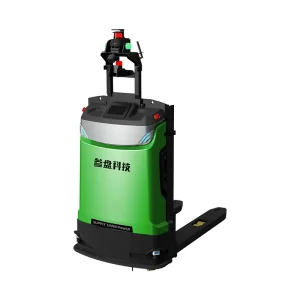
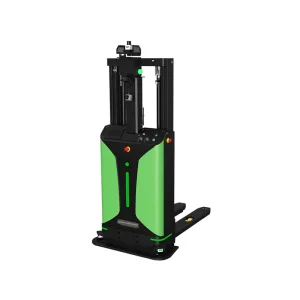
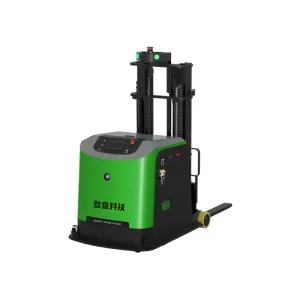
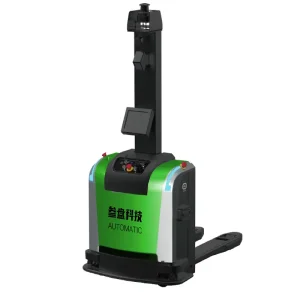
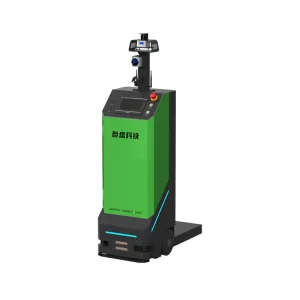
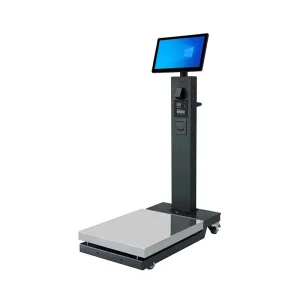
Explore our heavy-duty smart forklifts, narrow-aisle stackers, and high-accuracy weighing platforms built for complex environments.
 SCP Technology