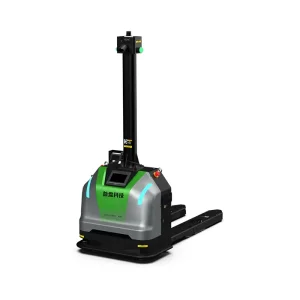
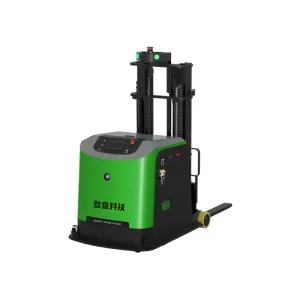
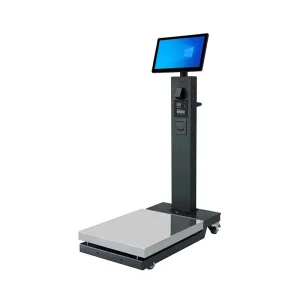
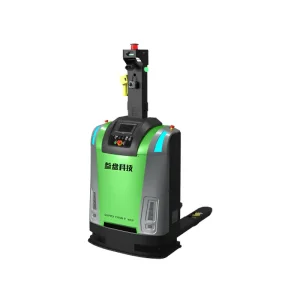
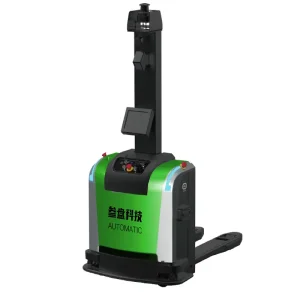
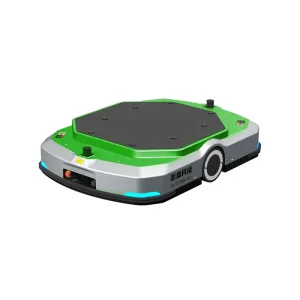
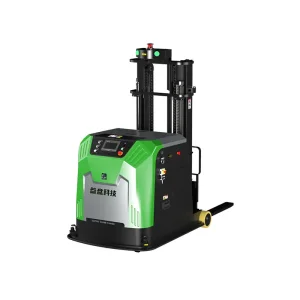
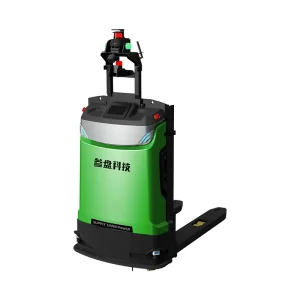
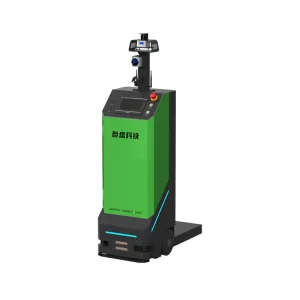
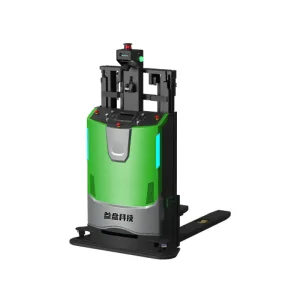
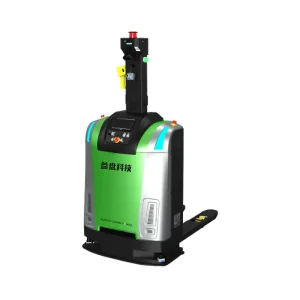
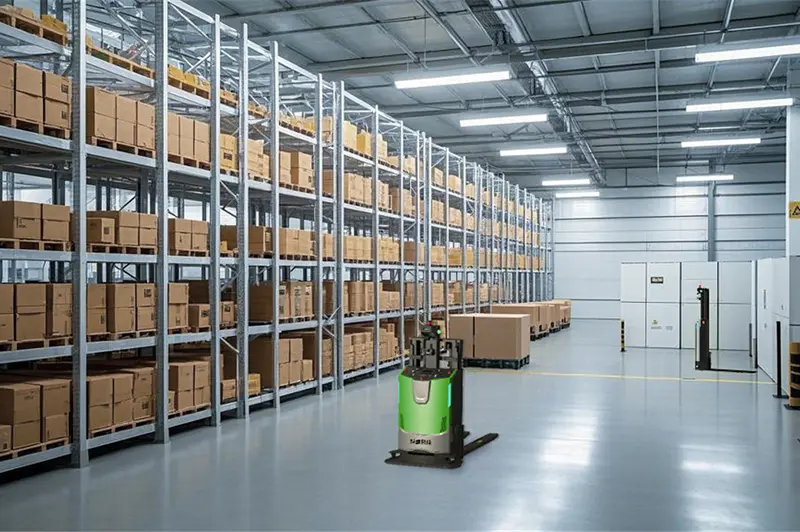
Leveraging high-precision navigation technology and robust sensor arrays for diverse warehouse topologies.
SCP takes actual business needs as the cornerstone and is committed to comprehensively innovating and improving the overall supply chain planning of enterprises.
We provide enterprises with comprehensive end-to-end supply chain solutions, build a multi-role, multi-dimensional intelligent supply chain collaboration system, and achieve all-round efficient collaboration and process optimization. At present, SCP has built a set of product architectures based on software and hardware, supplemented by the top-level design of the supply chain control tower, to create an agile, flexible and efficient end-to-end supply chain system for enterprises.
By leveraging advanced AGV sensors and integrated laser SLAM algorithms, we bridge the gap between physical logistics assets and high-level control systems (WMS/WCS), mitigating deployment bottlenecks and optimizing overall material flows.
Explore Solutions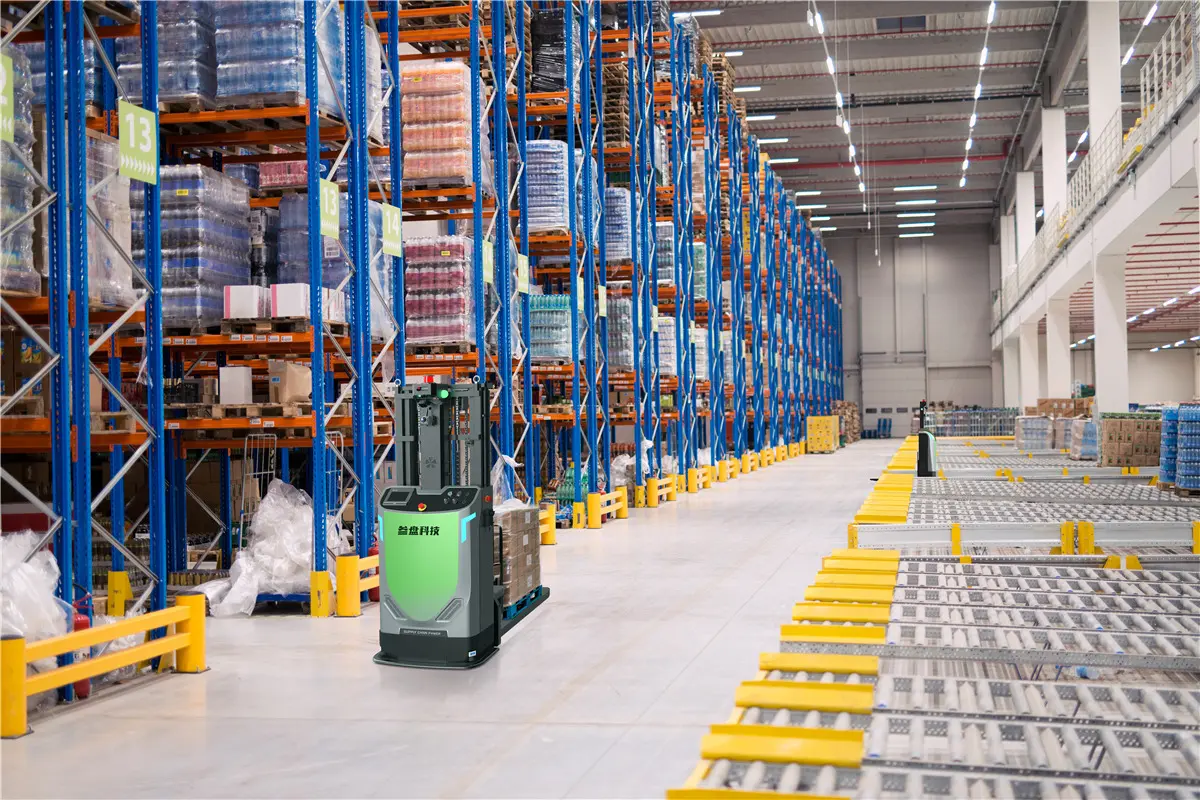
We scale technologies globally, ensuring compliance, safety, and rapid return on investment across multiple industrial ecosystems.
In modern industrial logistics, Automated Guided Vehicles (AGVs) and Autonomous Mobile Robots (AMRs) represent the vanguard of digital transformation. However, their autonomy is entirely dependent on the reliability, precision, and integration of their sensor suites. As a premium AGV sensors manufacturer, SCP designs and integrates complex sensory ecosystems that enable vehicles to perceive their environments, locate themselves dynamically via laser SLAM, detect obstacles with fail-safe reliability, and perform high-precision mechanical handling tasks.
Historically, AGVs relied on single guidance mechanisms such as magnetic tapes or physical reflectors. Modern dynamic manufacturing environments demand far more agile solutions. Multi-sensor fusion combines inputs from 2D/3D LiDAR, Time-of-Flight (ToF) cameras, inertial measurement units (IMUs), and wheel encoders. By processing these disparate data streams through sophisticated Kalman filtering algorithms, our control systems compute precise vehicle coordinates even in highly transient spaces, achieving a localization accuracy of up to ±5mm.
SLAM (Simultaneous Localization and Mapping) represents the pinnacle of AGV navigation. Our smart forklift series—including the SFL-CBD15-ZL and the heavy-duty SFL-CPD30-Y—features native laser SLAM sensors that scan features in real time. This eliminates the need for expensive infrastructure upgrades like retroreflective targets or floor-embedded magnetic tracks. When deploying in complex narrow aisles, the laser SLAM scanner dynamically maps changing environments, allowing vehicles to plan optimal paths autonomously, avoiding obstacles and adjusting routes instantly to prevent bottlenecks.
Safety is non-negotiable. Industrial guidelines require mobile robots to comply with rigorous standards such as ISO 3691-4 and ISO 13849-1 (PLd/SIL2). Our sensor integrations include safety-rated laser scanners that configure multi-tiered safety fields (stop, warning, and slowdown zones). These safety zones scale dynamically with the vehicle's speed and steering angle, guaranteeing that even when moving high-payload cargo (such as our 3000kg balanced power smart forklifts), the vehicle can bring itself to a safe halt prior to physical contact with human personnel or obstacles.
Seamless Automation Solutions: Zero-Risk Upgrades, Uncompromised Performance.
Our pre-calibrated sensor packages and auto-mapping SLAM systems allow rapid commissioning, reducing plant layout mapping down to a single shift.
Unmatched docking and picking precision facilitated by secondary optical, magnetic, or mechanical proximity sensors working in unison.
Integrate easily with third-party fleet management solutions and ERP/WMS databases via standardized RESTful APIs and ROS/ROS2 interfaces.
Hardware and software design optimized in-house to guarantee complete system synergy and continuous over-the-air firmware improvements.
Direct labor cost reductions, elimination of material shrinkage, and reduced asset damage achieve quick ROI amortization.
Predictive maintenance alerts generated directly from sensor diagnostics monitor laser intensity, wheel slippage, and battery health.
Addressing distinct environmental challenges with robust, certified sensor integrations.

Resolves costly down-time and rigid workflows with dynamic path re-routing in complex manufacturing lines.

Maximizes spatial density and handles scheduling delays and warehouse throughput bottlenecks.
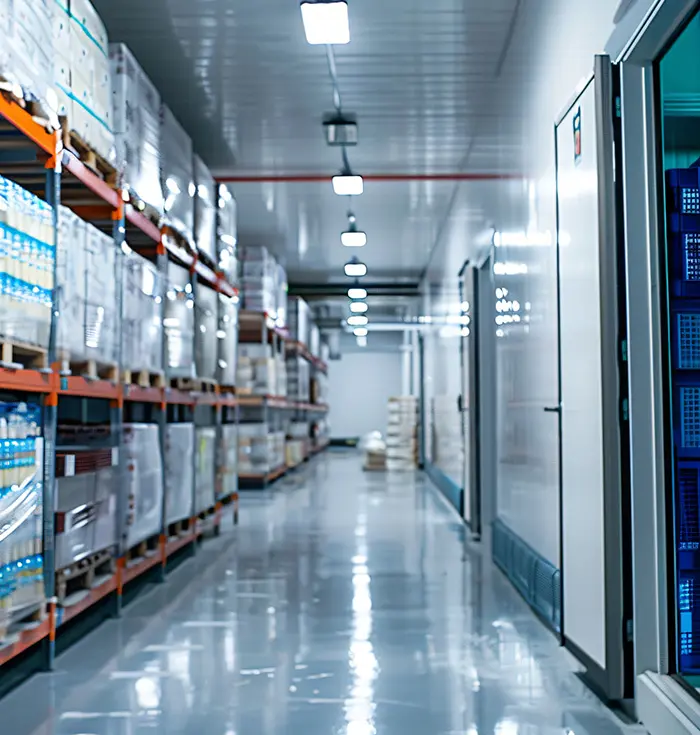
Eliminates fragile cargo handling risks. Specialized sensors built to withstand condensation and sub-zero temperatures.
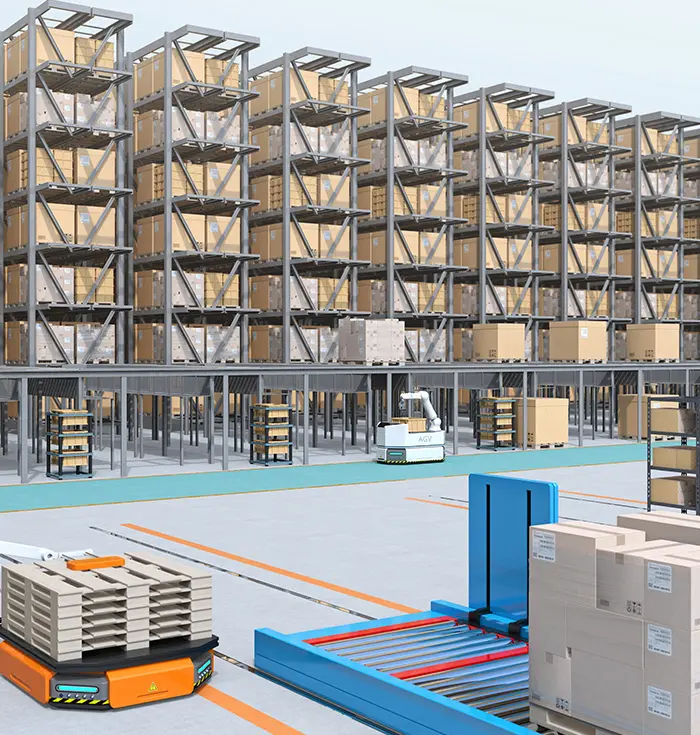
IP-rated sensors and stainless housings designed to meet food sanitary laws and withstand clean-in-place (CIP) regimens.
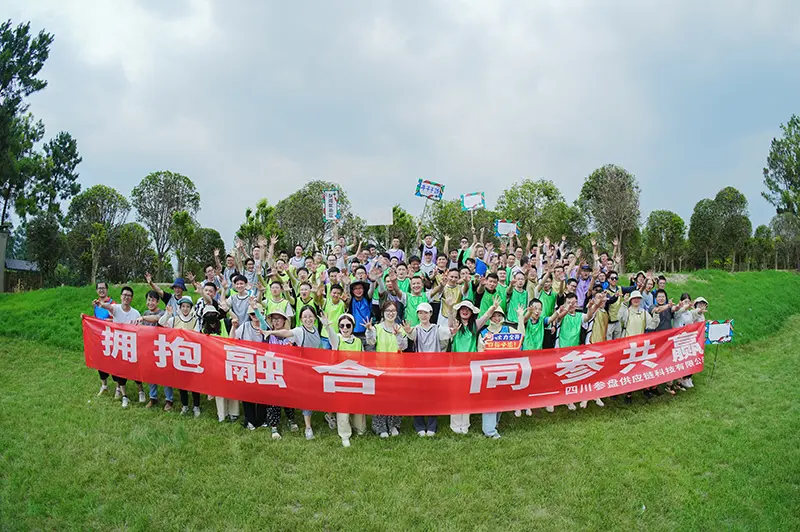
As a key subsidiary of the New Hope Group, we inherit a strong lineage of operational excellence, strategic scale, and heavy industrial resources. We approach robotics development not just as equipment providers, but as long-term digitalization partners.
"Benefiting farmers and bringing welfare to consumers." Through automation, we reduce operational overheads in primary production, food manufacturing, and downstream retail distribution networks, leading the tech upgrade of global logistics.
We act as the Alliance of Developers of New Quality Supply Chain Technology. Partnering with research institutes, software houses, and component innovators, we consolidate cutting-edge tech into scalable business solutions.

Backed by New Hope Group, we possess an in-depth understanding of diverse agricultural, chemical, food processing, and logistics industries. This ensures our sensor systems survive challenging, dust-heavy, and humid environments.
We were incubated directly out of internal business digitalization requirements. We construct technology packages based on real floor problems, avoiding over-engineered, impractical features.
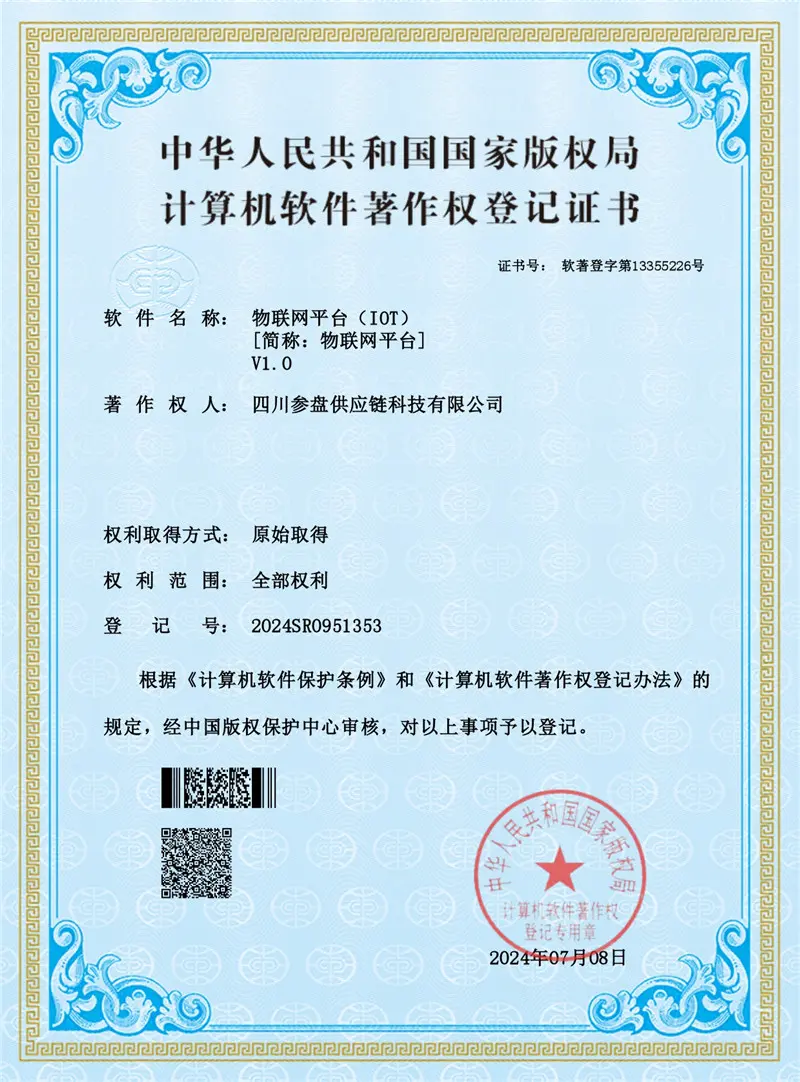
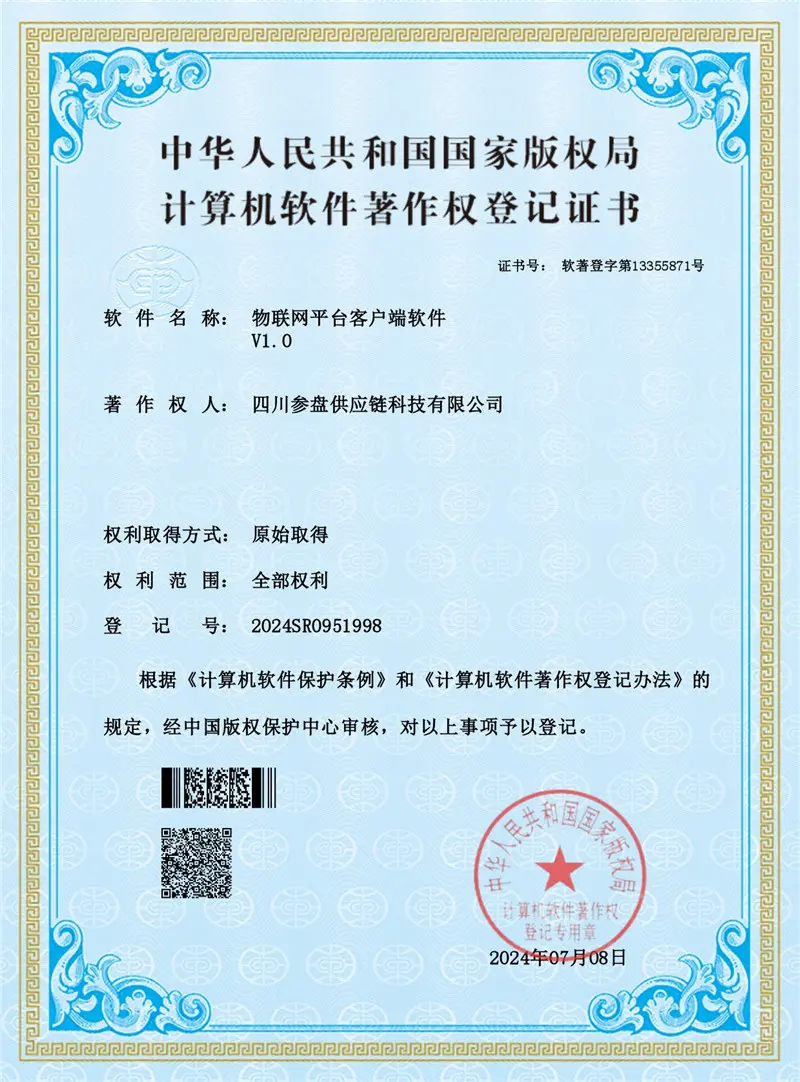
Our R&D efforts focus on hardware optimization to reduce the electrical draw of on-board sensors. By integrating low-power edge compute microprocessors and optimized sensor algorithms, we extend AGV battery runtimes, reducing daily charging requirements and the associated carbon footprint.
We actively collaborate with chip manufacturers to test solid-state LiDAR solutions, which exhibit longer lifespans and contain fewer moving parts, minimizing electronic waste.
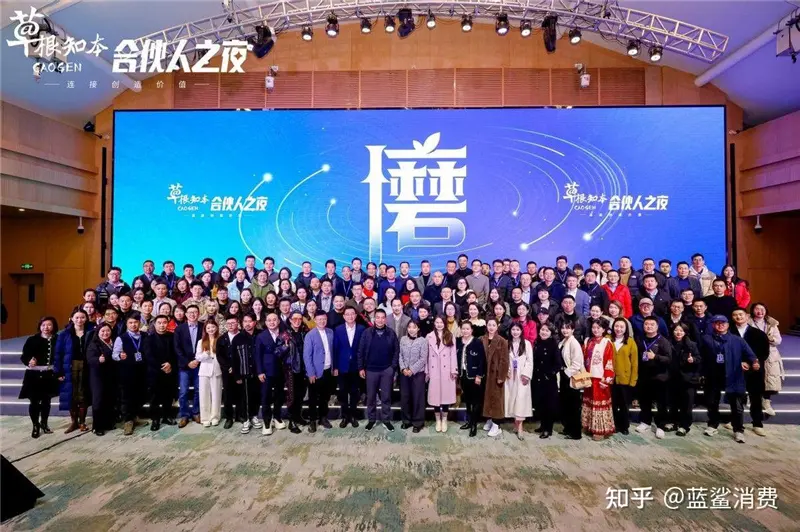
Relying on the deep ecosystem of Caogenziben and New Hope, SCP fosters circular supply chain partnerships. We source recyclable sensor housing plastics, design vehicles for easy teardown and disassembly, and provide refurbishing services to extend hardware lifespans beyond standard industry amortization cycles.
Furthermore, our global support networks ensure regional maintenance facilities can service, repair, and recalibrate sensors locally, dramatically cutting down the energy required for international shipping of replacement parts.
Aligning with our vision of "Leading the technological upgrade of the supply chain", we incorporate environmental and social metrics into our corporate planning. By automating hazardous environments, we protect human staff from workplace injuries, particularly in sub-zero cold chain storage facilities or hazardous heavy chemical manufacturing plants.
Aligning developmental pathways to the emerging demands of global warehouse procurement specialists.
Procurement departments look beyond simple component price points. Modern sourcing requests (RFPs) emphasize the following criteria:
We are continuously advancing our sensor and localization architectures:
In-depth technical answers from our engineering team regarding sensor selection, installation, and calibration.
Reflector-based navigation offers sub-millimeter precision but requires a rigid infrastructure, where targets must remain unobstructed. In dynamic warehouses, moving stacks or other vehicles often block reflectors, causing localized tracking dropouts. Laser SLAM maps natural environmental features (columns, walls, machinery), enabling high positioning reliability without infrastructural layout modifications.
Transitioning between ambient temperatures and sub-zero storage zones causes optical sensor misting. We resolve this by integrating internal thermal heating elements directly inside the LiDAR and camera housings. Controlled by internal temp sensors, these heaters kick in automatically to evaporate moisture and prevent optical refraction or pathing errors.
Our primary safety-rated laser scanners comply with ISO 13849-1 Performance Level d (PLd) Category 3 and IEC 61508 SIL2 standards. This ensures dual-channel redundancy, preventing a single sensor hardware fault from disabling the vehicle's safe stopping protocols.
Yes, our hardware ecosystem relies on standardized communication interfaces (CANopen, EtherNet/IP, Modbus, and TCP/IP). By offering complete SDK support and ROS/ROS2 sensor drivers, systems integrators can feed high-resolution point clouds and distance metrics directly into custom localization controllers.
In standard warehousing operations, we recommend monthly optical window cleaning using clean microfiber cloths and specialized lens cleaner to prevent dust accumulation. For heavy chemical or primary industrial environments, weekly checks are recommended to ensure oil mist or high particulate buildup does not reduce the laser transmitter's effective range.
Explore our deep integration solutions optimized for narrow aisles, high-reach stacking, and automated chassis applications.
 SCP Technology