Warehouse automation is transforming the logistics landscape. This technology streamlines operations and enhances efficiency. Companies are realizing its significance in managing inventory and fulfilling orders.
Many businesses struggle with labor costs and accuracy. Manual processes often lead to delays and errors. Warehouse automation offers a solution. Automated systems increase speed and reliability. They can handle high volumes of tasks with minimal human input.
Yet, not all automation implementations are perfect. Some businesses face challenges in integration. Choosing the right technology is crucial. Warehouse automation must align with specific operational needs. Balancing automation with employee training is vital. This approach ensures smooth transitions and optimizes performance. As technology evolves, the potential for improvement remains vast.
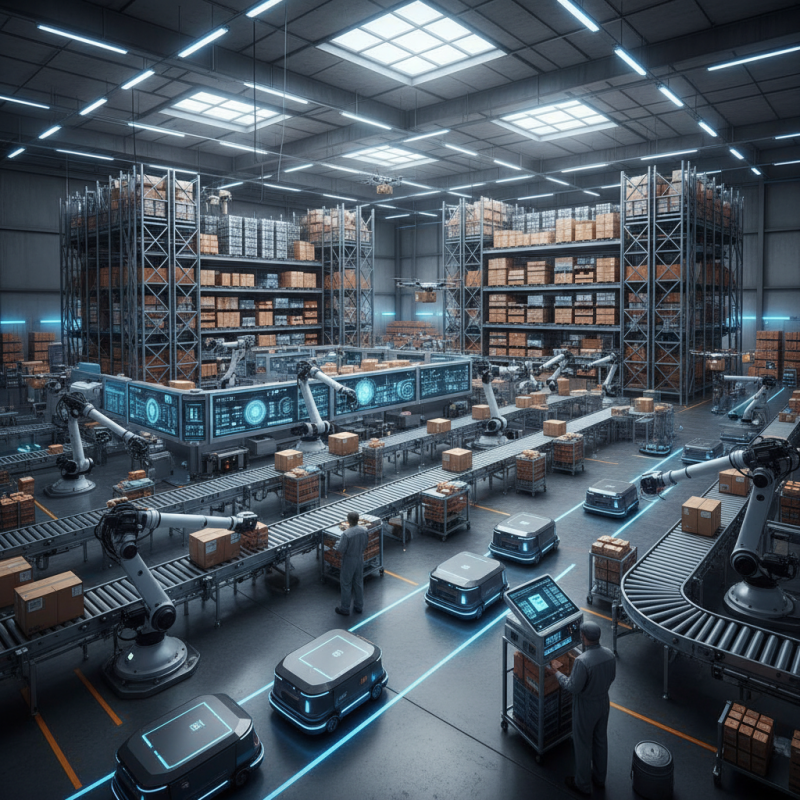
Warehouse automation is the integration of technology into warehouse operations. It streamlines processes, reduces labor costs, and enhances accuracy. Automated systems can include robots, conveyor belts, and Automated Storage and Retrieval Systems (AS/RS). These technologies work together to manage inventory efficiently.
Implementing automation can lead to significant improvements. For instance, it minimizes human error in order fulfillment. However, the high initial costs can be a barrier for many businesses. Training staff to work with these technologies is essential but can present challenges. Not every warehouse operation will benefit equally from automation, making careful analysis crucial.
As the industry evolves, understanding these technologies becomes vital for competition. Observing the impact of automation on performance can be enlightening. Adapting to change is necessary, but it’s not without its hurdles. As companies explore these advancements, ongoing evaluation of effectiveness is key.
Warehouse automation has transformed the logistics industry dramatically. Key technologies driving this change include robotics, artificial intelligence, and the Internet of Things (IoT). These tools enable warehouses to enhance efficiency and accuracy in operations.
Robotics plays a pivotal role in automation. Automated guided vehicles (AGVs) can transport goods within the warehouse, reducing human labor significantly. AI improves inventory management, predicting stock levels and optimizing storage. However, relying too heavily on these technologies can lead to operational blind spots. For example, a failure in the AI system could disrupt the entire process.
The IoT connects various devices, allowing real-time data sharing. This connectivity enables managers to monitor operations remotely. Yet, data security remains a concern. Vulnerabilities in IoT devices may lead to potential breaches. It’s essential to balance advanced technology with robust security measures.
Warehouse automation has revolutionized the logistics industry. By utilizing technology, businesses reduce errors and enhance operational efficiency. Automated systems like robotics facilitate accurate inventory tracking. This leads to quicker order fulfillment.
Implementing warehouse automation brings numerous benefits. First, labor costs can decrease significantly. Fewer manual tasks mean reduced hiring and training expenses. Improved safety is another advantage. Automation minimizes risks associated with manual labor. Workers are less exposed to potentially hazardous environments.
However, the transition is not always seamless. Businesses must evaluate their existing workflows. Integration challenges might arise. Furthermore, initial investment costs can be daunting. It's important to weigh these factors carefully. Proper planning and training can mitigate these hurdles, paving the way for a smoother transition to an automated system.
| Benefit | Description | Impact |
|---|---|---|
| Increased Efficiency | Automation reduces the time taken for repetitive tasks. | Improves overall productivity and throughput. |
| Cost Reduction | Lower labor costs and reduced error rates lead to lower operating costs. | Enhances profit margins. |
| Improved Accuracy | Automated systems reduce human errors in inventory management. | Increase customer satisfaction through fewer order discrepancies. |
| Scalability | Easier to scale operations up or down based on demand. | Adapts quickly to market changes. |
| Better Space Utilization | Automated systems can optimize warehouse layout. | Maximizes storage capacity and operational flow. |
| Enhanced Safety | Automation reduces the number of manual tasks and associated hazards. | Creates a safer working environment. |
Warehouse automation has gained attention for its potential to enhance efficiency. However, the journey towards automation is fraught with challenges. Many businesses face resistance from employees who fear job loss. A report by McKinsey indicates that up to 375 million workers may need to change occupational categories by 2030 due to automation. This change can invoke anxiety and resistance from the workforce.
Another significant hurdle is the initial investment required. According to a 2022 report by DHL, nearly 40% of companies cite high upfront costs as a barrier to automation. Implementing new technology requires substantial capital for equipment and training. Additionally, integration with existing systems poses a challenge. Outdated infrastructure can complicate the transition and increase the risk of operational disruptions.
Overcoming these barriers demands careful planning and robust communication. Industry leaders recommend involving employees in the process. This inclusion can alleviate fears and encourage acceptance of automation. Furthermore, businesses must invest in pilot programs. Testing automation on a smaller scale allows organizations to identify problems early. Adjustments can be made before a full rollout. As the industry evolves, addressing these challenges is essential for successful warehouse automation.
Warehouse automation is rapidly evolving. Many companies are implementing advanced technologies to stay competitive. Experts predict the global warehouse automation market will reach $30 billion by 2026, growing at a rate of 14.6% annually. This growth is primarily driven by the increasing demand for efficiency and accuracy.
Future trends show an emphasis on artificial intelligence (AI) and machine learning. These technologies can analyze vast data sets, improving inventory management and reducing errors. Autonomous mobile robots (AMRs) are also gaining traction. They enhance picking processes and streamline operations. According to a 2023 report, 72% of warehouses are expected to incorporate robots within the next five years.
Despite these advancements, challenges persist. Many organizations face integration issues with existing systems. A study found that 40% of companies report difficulty in adopting new technologies. This resistance can hinder progress. Businesses need to evaluate their current workflow before fully embracing automation. Each step toward innovation must be deliberate and thoughtful, recognizing the potential missteps along the way.
: Key technologies include robotics, artificial intelligence, and the Internet of Things (IoT).
Robotics, like automated guided vehicles (AGVs), transport goods, reducing the need for human labor.
AI predicts stock levels and optimizes storage, improving overall inventory accuracy.
Vulnerabilities in IoT devices can lead to data breaches, which can disrupt operations significantly.
Automation reduces labor costs, improves safety, and enhances accuracy in order fulfillment.
Integration issues with existing systems and high initial investment costs can pose significant hurdles.
Proper planning and training are crucial to address integration challenges and ensure successful implementation.
Trends focus on AI, machine learning, and the use of autonomous mobile robots for enhanced efficiency.
Understanding current processes helps identify potential integration issues that may arise during automation.
Companies must recognize potential missteps and approach innovation thoughtfully to mitigate risks.
Warehouse automation refers to the use of technology to streamline and improve warehouse operations, enhancing efficiency and accuracy in inventory management, order fulfillment, and shipping processes. Key technologies driving warehouse automation include robotics, artificial intelligence, and automated storage and retrieval systems, which work together to minimize manual labor and reduce human error.
Implementing warehouse automation offers numerous benefits, such as increased productivity, cost savings, and improved safety for workers. However, companies may face challenges in adopting these technologies, including high initial costs and the need for staff training. Looking ahead, future trends in warehouse automation solutions are expected to focus on enhanced integration of smart technologies, further optimizing supply chain efficiency and adaptability in an ever-evolving market landscape.

SCP Technology