In today’s fast-paced warehousing environment, the use of unmanned forklifts is becoming increasingly relevant. These machines offer a solution to many logistical challenges. However, operators often overlook some critical considerations. Increased efficiency is a primary goal. Yet, improper usage may lead to accidents or damage. Training staff is essential. Team members should understand how to interact with these unmanned forklifts safely.
Unmanned forklifts reduce labor costs and enhance productivity. Still, they require regular maintenance to ensure reliability. Operators must be aware of potential breakdowns. Software glitches and hardware failures can occur. A well-maintained fleet can lead to smoother operations. Yet, rushing maintenance can cause lapses in safety protocols, creating a hazardous environment.
Integrating unmanned forklifts into existing workflows can be daunting. Companies must assess their current layout. A poorly planned setup can hinder the benefits these machines offer. It is crucial to find the right balance between automation and human oversight. Reflecting on past implementations may reveal valuable lessons. Addressing these factors can enhance overall efficiency, while ensuring safety and reliability in warehouse operations.
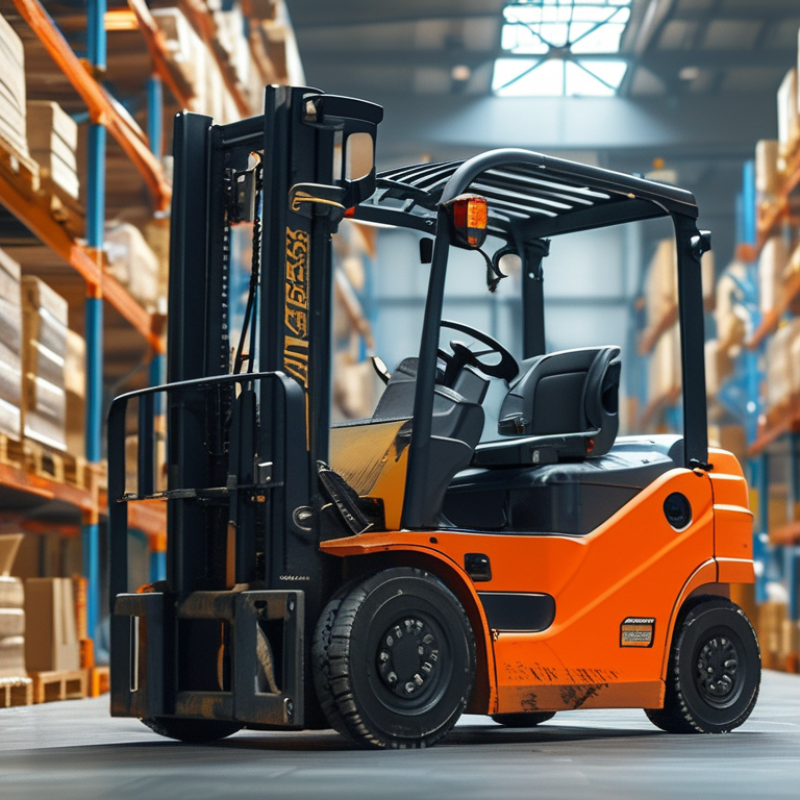
Unmanned forklifts are transforming warehouse operations. These machines automate material handling, resulting in increased efficiency. According to a logistics industry report, automation can improve warehouse productivity by up to 30%. This shift is crucial. Businesses can meet growing consumer demands while minimizing human error.
Key features of unmanned forklifts include advanced sensors and navigation systems. These components enable precision movement and obstacle avoidance. The American Association of Port Authorities noted that companies utilizing such technology report a 25% reduction in operational costs. Safety is also improved. Unmanned forklifts reduce the risk of workplace accidents, fostering a safer environment for human workers.
Despite their advantages, there are challenges. Integration into existing systems can be complex. Additionally, workforce transition requires training and adaptation. This can be daunting for some organizations. However, the long-term benefits often outweigh these hurdles. Investing in unmanned technology may seem daunting but is essential for future competitiveness in the market.
When selecting the right unmanned forklift for your warehouse, consider specific operational needs. Evaluate your facility layout and the types of goods you handle. Size, weight capacity, and lift height are crucial factors. Each warehouse has unique challenges.
Tips: Choose a model with a modular design. This allows for upgrades as technology improves. Pay attention to the navigation system. Robust sensors can prevent mishaps in busy aisles. Battery life is another critical aspect. A forklift that requires frequent recharging disrupts workflow.
Ensuring safety is essential. Regular maintenance checks can help avoid unforeseen issues. Staff training on how to interact with unmanned systems fosters a smoother integration. Be prepared for teething issues, as adapting to automation can take time. Evaluate feedback from warehouse staff to enhance operations continually.
Integrating unmanned forklifts into warehouse operations can be a game-changer. It enhances efficiency but requires careful planning. One crucial step is assessing the layout of your warehouse. Ensure there’s enough space for autonomous movement. Narrow aisles can present challenges.
Training staff is essential. Workers should understand how to work alongside these machines. An initial resistance might occur. It's vital to address concerns and provide support. Clear communication about the benefits will help ease this transition.
Monitoring performance is necessary. Regularly check the system for issues. This helps prevent disruptions. Take feedback from staff seriously; they can provide insights for improvement. Embracing this technology is a journey, not a destination. Mistakes will happen, but learning from them leads to better operations.
When implementing unmanned forklifts in warehouse operations, safety considerations take precedence. According to a 2023 industry report by the Warehouse Vehicle Safety Council, nearly 20% of workplace injuries stem from forklift-related accidents. Unmanned forklifts, while increasing efficiency, also present unique risks. It is essential to conduct thorough risk assessments and create clear guidelines for their operation. Employee training should focus on understanding the technology's limitations and potential hazards.
The 2022 Safety Data Analysis indicates that improper use of unmanned vehicles can lead to significant incidents. Regular maintenance checks and real-time monitoring of these machines are crucial. Injuries often occur when workers do not anticipate the movements of autonomous forklifts. Communication protocols should be established, ensuring that all team members are aware when these vehicles are in operation.
Creating a safe environment requires constant evaluation and adaptation. Monitoring systems must be used to track the performance of unmanned forklifts. An accident could disrupt warehouse flow and create safety concerns. Regular safety drills can help employees remain vigilant, adapting to these advanced technologies while prioritizing their well-being and that of their colleagues.
| Tip | Description | Safety Consideration | Guideline |
|---|---|---|---|
| Regular Maintenance | Ensure the unmanned forklift is regularly checked and serviced. | Prevent breakdowns that could lead to accidents. | Schedule maintenance checks every 3 months. |
| Training Staff | All personnel should be trained on how to operate unmanned forklifts. | Ensure everyone understands safety protocols. | Conduct training sessions bi-annually. |
| Clear Work Environment | Keep pathways free of obstacles to allow smooth operation. | Minimize the risk of collisions and accidents. | Inspect work areas daily. |
| Emergency Stop Functions | Make sure emergency stop functions are easily accessible. | Allow for quick responses in case of emergencies. | Test emergency stops monthly. |
| Lighting and Signals | Ensure proper lighting and signaling for safe operations. | Improve visibility and communication on warehouse floors. | Install lights and signals in high-traffic areas. |
In today's fast-paced warehouse environment, unplanned downtime can be costly. Regular maintenance of unmanned forklifts can prevent such interruptions. According to industry reports, maintenance can reduce breakdowns by up to 30%. Implementing routine checks ensures equipment operates smoothly.
A common oversight is neglecting the battery health. Many operators underestimate the impact of battery life on efficiency. A well-maintained battery can enhance productivity. It's essential to inspect connections and clean terminals regularly. Ignoring these factors may lead to drastic performance drops.
Moreover, troubleshooting should include regular software updates. Many unmanned forklifts rely heavily on software for optimal performance. Keeping it updated aids in resolving bugs and enhancing efficiency. Data shows that updated equipment runs 20% more efficiently than outdated models. Addressing simple issues promptly can prevent larger, costly problems down the road.
: Unmanned forklifts are automated machines that handle material in warehouses without human operators.
They automate tasks, reducing human error and increasing productivity by up to 30%.
They could cause accidents if workers do not anticipate their movements, highlighting the need for safety protocols.
Training should focus on understanding the technology, its limitations, and potential hazards to mitigate risks.
Regular maintenance checks and battery inspections are key to ensuring smooth operation and reducing breakdowns.
A well-maintained battery impacts efficiency significantly; neglecting it can lead to performance drops.
Keeping software updated is essential; it can improve efficiency up to 20% by resolving bugs and enhancing operations.
Establish communication protocols and conduct regular safety drills to keep everyone aware and prepared.
Yes, integration can be complex, and workforce training may be difficult for some organizations to manage.
Accidents can disrupt operations and create safety hazards, emphasizing the need for constant evaluation and adaptation.
Unmanned forklifts are revolutionizing warehouse operations, offering numerous benefits such as increased efficiency, reduced labor costs, and enhanced safety. Understanding their key features, such as automated navigation and advanced sensors, is essential for selecting the right unmanned forklift to meet specific warehouse needs.
To successfully integrate unmanned forklifts into existing operations, it is crucial to follow best practices and adhere to safety guidelines. Regular maintenance and troubleshooting are also vital to maximize the efficiency and longevity of these machines. By implementing these strategies, warehouses can fully leverage the capabilities of unmanned forklifts, ensuring streamlined processes and improved productivity.

SCP Technology