As the demand for automation rises, warehouse robots are transforming logistics in China. According to a recent report by Deloitte, the market for warehouse robotics is projected to grow at a compound annual growth rate (CAGR) of 20% over the next five years. This surge reflects both technological advancements and labor shortages.
Chinese manufacturers lead in developing cost-effective warehouse robots, catering to global buyers. For instance, companies like Geek+ and Hi-tech Robotics Partner are innovating with AI-driven solutions. These robots enhance efficiency, yet the integration process can be challenging. Many buyers face difficulties in adapting old systems to new technology.
Furthermore, while warehouse robots optimize operations, businesses must consider potential job impacts and training needs. As this technology evolves, businesses should reflect on these aspects to ensure a balanced approach. The journey towards seamless automation is ongoing. It is essential to stay informed about trends in the warehouse robots market.
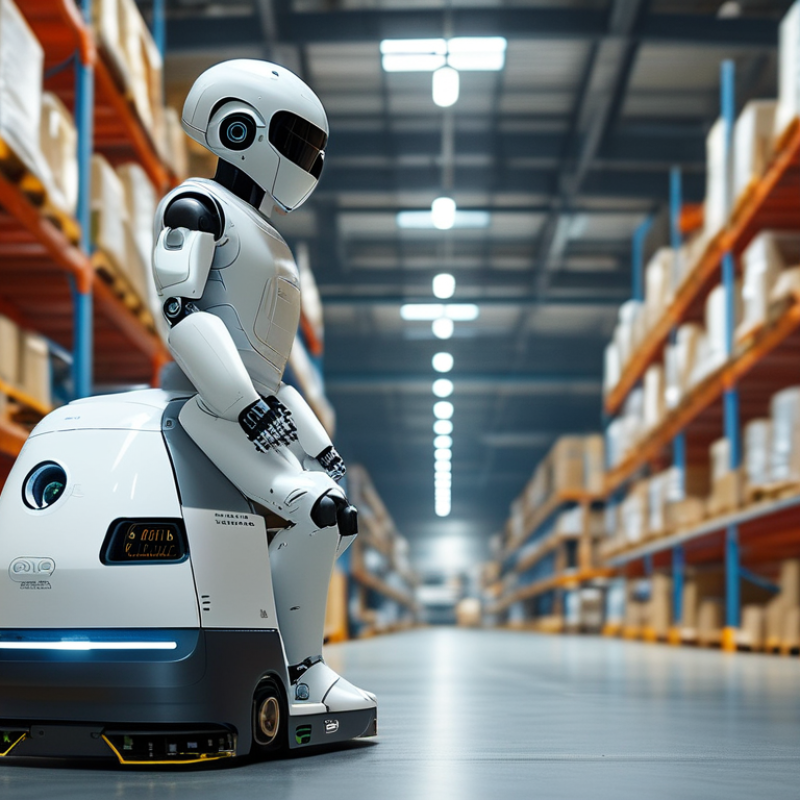
The warehouse robotics market in China is booming. This growth is driven by rising labor costs and the need for efficiency. Many businesses are investing in automation to streamline operations. These robots can handle tasks like sorting, packing, and transporting goods. Their implementation can significantly reduce human error and increase productivity.
Tips: Consider the specific needs of your warehouse when choosing robots. Assess workload patterns and space constraints. Understanding these factors can help you select the most suitable technology.
However, not all robots fit every warehouse. Some may struggle in complex environments. Integration with existing systems can be challenging. Therefore, a thorough evaluation of your current setup is essential before implementation. Embracing technology is beneficial, but there are hurdles to overcome.
China's warehouse robotics industry has shown remarkable growth. Companies are innovating rapidly. The demand for efficiency drives this change. Robotics solutions are becoming essential in logistics and warehouse management.
Key players in this sector focus on autonomous mobile robots and automated storage systems. These technologies improve productivity and reduce human error. Many solutions integrate advanced AI for better decision-making.
However, adapting to new systems remains a challenge. Training staff can take time and resources. Some companies prioritize scalability and flexibility. Their robots can adjust to various warehouse layouts. This adaptability is crucial for different business needs.
Yet, creating versatile robots can be complex. Developers must balance customization and cost-effectiveness. As the industry evolves, continuous improvement and feedback are vital for success.
Warehouse automation in China is rapidly evolving, driven by impressive technological advancements. In 2022, the market for warehouse automation technology in China reached approximately $7.5 billion. It is projected to grow at a compound annual growth rate (CAGR) of around 14% over the next five years. This growth signifies a strong demand for innovative solutions to improve operational efficiency.
A significant factor accelerating this trend is the increased investment in robotics and artificial intelligence (AI). According to a report published by ABI Research, the global warehouse robotics market is expected to hit $22 billion by 2027, with China's participation being substantial. Smart robots are designed to manage inventory, transport goods, and even work alongside human staff to enhance productivity. However, the integration of these advanced technologies poses challenges. There is often a steep learning curve for employees, and ongoing maintenance can create unexpected costs.
Moreover, user hesitation remains a hurdle. Some warehouse operators are concerned about the reliability of these systems. As technology evolves, the necessity for ongoing support and training for staff becomes clear. Ensuring that employees are comfortable with new automation technologies is crucial for successful implementation, specifically in high-paced environments. Balancing benefits with operational readiness is essential for businesses looking to invest in warehouse automation.
The rise of e-commerce in China has significantly shaped the demand for warehouse robots. Online shopping has surged, creating a pressing need for efficient logistics solutions. Warehouses are transforming, adopting automation to meet consumer expectations. Fast delivery times are crucial, and robots play a vital role in this change.
As e-commerce grows, challenges arise in warehouse operations. Many warehouses face space constraints and labor shortages. In response, companies increasingly rely on automation to optimize their processes. Robots streamline tasks such as inventory management and order packing. However, the integration of these technologies is not without its challenges. There is a learning curve for staff and potential resistance to change.
Investments in warehouse robots demonstrate commitment to innovation. As the market matures, companies reconsider their strategies regularly. Balancing human roles and robotic efficiency requires ongoing reflection. The future of warehouse operations hinges on overcoming these obstacles while leveraging technology to enhance performance.
| Robot Type | Load Capacity (kg) | Battery Life (hours) | Operational Range (m) | Price Range (USD) |
|---|---|---|---|---|
| Automated Guided Vehicle (AGV) | 500 | 8 | 50 | 15,000 - 20,000 |
| Autonomous Mobile Robot (AMR) | 300 | 10 | 100 | 25,000 - 30,000 |
| Sorting Robot | 250 | 6 | 30 | 10,000 - 15,000 |
| Palletizing Robot | 1000 | 5 | 20 | 35,000 - 40,000 |
| Mobile Shelving Robot | 350 | 12 | 60 | 20,000 - 25,000 |
Warehouse robotics in China is evolving rapidly. The demand for efficiency and automation drives this growth. Future projections indicate a continued expansion of the market. Automated solutions are becoming essential for logistics companies aiming to improve operations.
Adopting robots can streamline processes. Many companies are exploring options to reduce labor costs. However, there are challenges. Integrating robotics can require significant investment. It's important to evaluate the technology carefully. Consider factors like system compatibility and support services.
Tips for buyers: Invest in training for staff. Knowledgeable employees help ensure smooth operation of new systems. Monitor performance metrics consistently. This practice cultivates continuous improvement. Remember that the robotics landscape is dynamic. Innovations may quickly change your needs. Stay informed to make better choices.
: The demand for efficiency is a major driver. Companies are innovating quickly in response to this need.
Autonomous mobile robots and automated storage systems are popular. They enhance productivity and reduce human errors.
Adapting to these systems takes time and resources. Training staff can be a significant hurdle during implementation.
Companies focus on scalability and flexibility. Their robots adjust to different layouts, meeting diverse business needs.
Balancing customization with cost-effectiveness is complex. Developers must consider various operational requirements.
In 2022, the market was about $7.5 billion. It's projected to grow at a CAGR of 14% over the next five years.
AI improves decision-making in logistics. It helps manage inventory and enhances productivity in robot-human collaboration.
Reliability is a common concern. Some operators hesitate to adopt due to fears about system performance.
Ensuring staff comfort with new technologies is essential. Ongoing support is needed for successful integration in fast-paced environments.
Balancing benefits with operational readiness is vital. Companies must prepare their workforce for new technologies.
The warehouse robotics industry in China has experienced significant growth, driven by advancements in technology and the rising demands of e-commerce. As more businesses seek to optimize their supply chains, warehouse robots have become essential for enhancing efficiency and productivity. This increasing automation is also reshaping labor dynamics within warehouses, fostering a need for skilled workers who can manage these advanced systems.
Key players in the market are continually innovating, developing new types of warehouse robots that incorporate cutting-edge technologies such as AI and machine learning. The demand for these robots is expected to expand further as e-commerce continues to flourish, leading to changes in consumer behaviors and expectations for rapid delivery times. Looking ahead, market trends indicate a promising future for warehouse robotics in China, suggesting that investments in automation will be pivotal for businesses aiming to stay competitive in a rapidly evolving landscape.

SCP Technology