In the rapidly evolving landscape of logistics, warehouse automation stands out as a game-changer. Experts like Dr. Emily Santos, a renowned specialist in supply chain technology, emphasize its significance. She states, "Embracing warehouse automation is no longer optional; it’s essential for efficiency."
Today, businesses face mounting pressure to optimize operations. The advent of advanced technologies, such as robotics and AI, reshapes how warehouses operate. Companies must adapt to these changes or risk falling behind. Implementing warehouse automation can significantly enhance productivity. However, selecting the right solutions is crucial.
While the benefits are plentiful, challenges exist. Transitioning to automated systems requires careful planning and investment. Not all solutions fit every warehouse model. Therefore, understanding various automation options is vital for success. It’s important to recognize that while automation improves efficiency, it also demands ongoing assessment and adjustment.
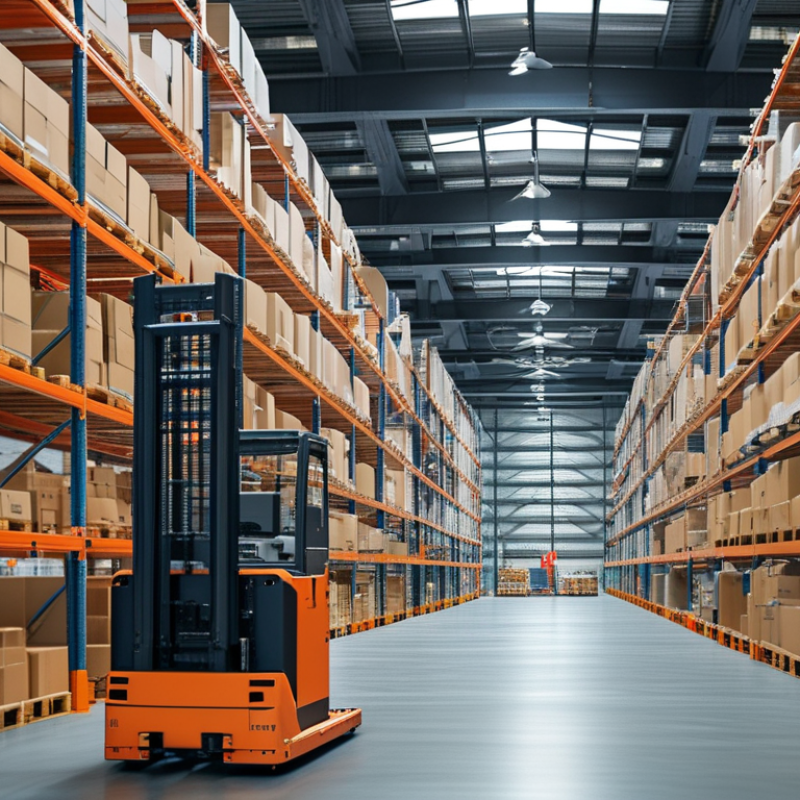
Top Trends Shaping Warehouse Automation Solutions in 2023
Warehouse automation is rapidly evolving, influenced by several key trends this year. Technology is not just about efficiency; it should also enhance decision-making. Integrating artificial intelligence boosts inventory management and demand forecasting accuracy. This means companies can respond faster to market changes, but it also raises questions about data security.
Robotics play a significant role in automating repetitive tasks, reducing errors, and minimizing labor costs. Automated guided vehicles (AGVs) are particularly popular for transporting goods. However, issues arise on how to manage these systems effectively. Training staff to operate alongside robots is essential, yet often overlooked.
Sustainability is becoming a priority as well. Many companies strive to reduce their carbon footprints through automation. This involves optimizing operations to minimize waste and energy consumption. While this is a positive trend, not all organizations have the resources to implement such changes. It highlights the disparity in the industry, calling for more accessible solutions for smaller warehouses.
Key Benefits of Implementing Warehouse Automation Technologies
Implementing warehouse automation technologies brings significant benefits that enhance operational efficiency. Automation reduces human error and boosts accuracy, leading to fewer mistakes in order fulfillment. For instance, automated systems can efficiently pick, sort, and pack products, streamlining the entire process. This increased precision not only saves time but also improves customer satisfaction.
Moreover, warehouse automation solutions can address labor shortages. With the growing demand for quick deliveries, businesses struggle to find enough workers. Automated systems alleviate this issue by performing tasks previously done by humans. This shift allows companies to allocate their workforce to more complex tasks, ensuring optimal productivity. However, there can be challenges in integrating new technologies. Staff may need training, and there might be initial resistance to change. Reflecting on these potential setbacks can guide smoother transitions.
Cost reduction is another key benefit. Although the initial investment in automation can be high, long-term savings are substantial. Businesses can experience lower operational costs through reduced labor expenses and improved inventory management. Yet, it's crucial to evaluate the specific needs of your warehouse. Automation isn't a one-size-fits-all solution. Understanding your unique requirements will drive effective implementation and maximize benefits over time.
Leading Warehouse Automation Technologies: A Detailed Overview
Warehouse automation is transforming operations at a rapid pace. Recent studies show that around 75% of warehouses plan to incorporate automation within the next five years. This trend stems from the need for efficiency and accuracy. Automation technologies not only streamline picking and packing but also enhance inventory management.
Robotics and AI are leading the charge. Automated Guided Vehicles (AGVs) are now widely used, reducing labor costs by up to 30%. AI-driven analytics optimize inventory levels, potentially increasing order accuracy to over 99%. However, integration challenges remain. Many companies struggle to align these new technologies with existing systems. This misalignment can lead to productivity losses.
Despite these hurdles, the shift towards automation is clear. Embracing warehouse automation technologies can increase operational efficiency significantly. However, organizations must approach this transition with caution. Training staff is essential to mitigate resistance to change and maximize effectiveness. A successful implementation requires a well-thought-out strategy and continuous evaluation of technology performance.
Industry Statistics on Efficiency Improvements from Automated Solutions
Warehouse automation solutions are making waves in the industry. Recent statistics highlight significant efficiency improvements across various sectors. Automated systems can lead to a 20-30% reduction in operational costs. These systems also streamline inventory management and order fulfillment processes.
Many warehouses report faster processing times. With automation, tasks that previously took hours can now be completed in minutes. For instance, sorting and packaging are much quicker. Yet, not every implementation is seamless. Transitioning to automated systems can be challenging. Employees may need retraining, and initial costs can be high.
Despite these challenges, the long-term benefits often outweigh the drawbacks. Data shows that businesses adopting automation experience a 50% increase in order accuracy. This directly impacts customer satisfaction. However, companies must regularly assess their systems for areas of improvement. Continuous evaluation is key to maintaining efficiency and competitiveness in a rapidly evolving market.
Future Prospects of Warehouse Automation: What to Expect by 2030
As we look ahead to 2030, the landscape of warehouse automation will evolve dramatically. According to a report by Research and Markets, the warehouse automation market is expected to reach $30 billion by 2030, growing at a CAGR of 14.9%. This growth indicates a robust shift toward advanced technologies like robotics and AI in warehousing.
Warehouse managers must consider the increasing demand for efficiency. With labor shortages on the rise, automation can optimize operations. For example, automated systems can reduce order processing times by up to 70%. However, integrating these technologies poses challenges. Employee training will be crucial to maximize productivity and safety.
Tip: Invest in ongoing staff training programs to ensure smooth transitions.
Additionally, while automation offers numerous benefits, it can lead to dependency risks. A heavy reliance on technology may disrupt operations if a system fails. It is essential to have contingency plans in place. Balancing automation with human oversight will be important in maintaining operational resilience.
Tip: Regularly assess your automation systems to identify and resolve vulnerabilities.
The advancements in warehouse automation are promising, yet the path to implementation requires careful planning and adaptation. Understanding these dynamics will prepare businesses for future challenges and opportunities in the sector.
FAQS
: The focus is on technology that enhances decision-making and improves efficiency.
AI boosts inventory management and demand forecasting accuracy, allowing faster responses to market changes.
Robotics automate repetitive tasks, reduce errors, and help minimize labor costs.
Managing AGVs effectively can be complex, requiring proper training for staff alongside robots.
Reducing carbon footprints through optimized operations is essential, though not all companies can afford this.
Automated solutions can reduce operational costs by 20-30% and speed up processing times significantly.
Yes, transitioning can be challenging and costly, requiring retraining and potential initial hurdles.
Automation can lead to a 50% increase in order accuracy, enhancing customer satisfaction.
Yes, regular assessments are vital for identifying improvements and maintaining competitiveness.
Smaller warehouses may struggle with resources to implement sustainable practices effectively.
Conclusion
Warehouse automation is rapidly evolving, shaped by key trends and technologies that optimize efficiency and productivity. In 2023, major trends include the integration of artificial intelligence and robotics, which are transforming traditional warehouse operations into highly efficient systems. The benefits of implementing warehouse automation technologies extend beyond speed; they also enhance accuracy, reduce operational costs, and improve overall safety within logistics environments.
Industry statistics indicate significant efficiency improvements as organizations adopt automated solutions, leading to streamlined processes and reduced labor dependency. Looking ahead to 2030, the future prospects of warehouse automation present exciting opportunities, with advancements likely to bring even more sophisticated tools, further enhancing supply chain capabilities. As the landscape of warehouse automation continues to evolve, businesses that embrace these innovations stand to gain a competitive edge in an increasingly automated world.

 SCP Technology