In recent years, the material handling industry has witnessed remarkable growth, particularly in China. According to a report by ResearchAndMarkets, the global material handling market is expected to reach $300 billion by 2025, with significant contributions from innovative solutions from Chinese manufacturers. China is now recognized as a hub for advanced material handling systems, which include automated guided vehicles (AGVs) and robotics.
The rapid adoption of technology in material handling has transformed traditional workflows. Automated systems are known to increase efficiency by 30-50% in warehouses. However, the reliance on these technologies can pose challenges, such as the need for continuous maintenance and potential operational disruptions. While Chinese solutions offer competitive pricing, they require careful evaluation to ensure alignment with specific operational needs.
As companies strive to enhance productivity, understanding these material handling solutions becomes vital. Adopting the right technology can yield significant benefits, but organizations must remain vigilant about the accompanying risks. Balancing innovation with reliability remains a critical focus for stakeholders in this evolving landscape.
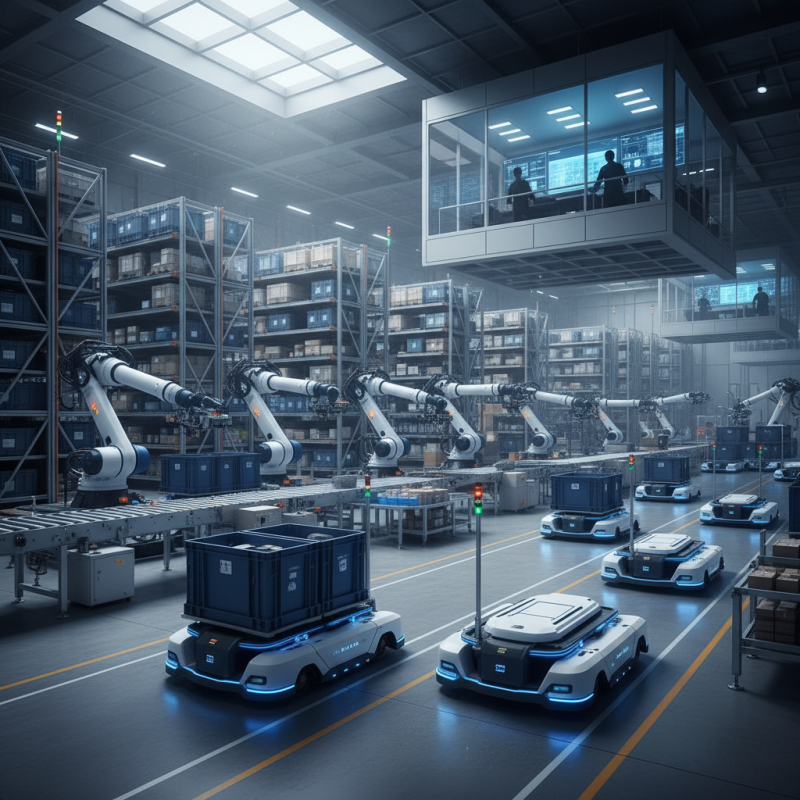
Top Material Handling Solutions from China: An Overview
Material handling solutions are crucial for efficient operations. China is known for its innovative approaches in this field. Companies around the world seek their expertise. From automated systems to manual tools, options are varied. The efficiency of these solutions can significantly impact productivity levels.
Recent advancements showcase integration with smart technology. Automated guided vehicles (AGVs) improve transport within facilities. They reduce manual labor and increase accuracy. However, the implementation can be complex. A clear understanding of specific needs is essential. Not every solution fits every company.
Some regions in China focus on customizing solutions. They consider local conditions and business scale. Training and support are often overlooked but vital. Companies may encounter challenges when adjusting to new equipment. Continuous evaluation and feedback can lead to better outcomes. Addressing these imperfections will strengthen the handling process, reflecting a commitment to improvement.
Innovative Technologies in Material Handling Equipment
Innovative technologies in material handling equipment have transformed logistics and warehousing. Automation plays a vital role in enhancing efficiency. Robotics, for instance, streamline picking processes, reducing labor costs. These machines can work around the clock, addressing the growing demand for fast order fulfillment.
In addition to robotics, data analytics is reshaping how companies approach material handling. Smart sensors in equipment provide real-time tracking. This technology enables businesses to monitor inventory levels accurately. However, the integration of these technologies can be challenging. Staff may resist adopting new systems, and training requirements can be extensive.
While the advancements in material handling equipment present exciting opportunities, potential drawbacks exist. Initial investments in technology can be high. Organizations must evaluate their unique needs before making significant changes. Balancing technology implementation and workforce adaptability remains crucial for long-term success.
Top Material Handling Solutions from China Best? - Innovative Technologies in Material Handling Equipment
| Solution Type |
Technology |
Capacity (kg) |
Efficiency (%) |
Application |
| Automated Guided Vehicle (AGV) |
Laser Navigation |
1500 |
95 |
Warehouse Transport |
| Automated Storage and Retrieval System (ASRS) |
Robotic Arm |
3000 |
98 |
Inventory Management |
| Conveyor Systems |
Modular Design |
5000 |
90 |
Production Lines |
| Forklifts |
Electric Power |
2500 |
85 |
Heavy Lifting |
| Pick-to-Light Systems |
LED Indicators |
N/A |
92 |
Order Picking |
Key Manufacturers and Brands in China’s Material Handling Market
China's material handling market is a hub of innovation and diversity. Various manufacturers specialize in equipment that meets diverse industrial needs. From automated guided vehicles to advanced conveyor systems, these solutions enhance efficiency and productivity.
Companies are experimenting with robotics, integrating AI for smarter operations. This is a promising trend, yet the rapid pace can lead to quality control issues.
Key manufacturers prioritize safety and reliability in their designs. They invest heavily in research and development. However, not all solutions are created equal. Some may lack the durability required for heavy-duty applications. End-users must evaluate these aspects carefully. Keeping up with international standards is essential, yet some firms may struggle with compliance.
Additionally, the growing emphasis on sustainability cannot be ignored. Manufacturers are increasingly adopting eco-friendly practices. This shift may lead to higher upfront costs, but it addresses long-term environmental impact. It is a balancing act between cost and responsibility. Businesses need to navigate this landscape with foresight and strategic planning.
Comparative Analysis of Chinese Solutions vs. Global Competitors
China has emerged as a significant player in the global material handling solutions market. The rapid pace of innovation in Chinese technology makes it a worthy competitor to other global options. Companies in China are adopting advanced automation, AI, and robotics to enhance efficiency and reduce costs. Many facilities are now using automated guided vehicles and smart warehousing solutions. These technologies aim to streamline operations and minimize human error.
Comparing Chinese solutions with their global counterparts reveals both strengths and weaknesses. While China's products often come at lower prices, durability may sometimes be a concern. Some designs may not be optimized for long-term heavy-duty use. Global competitors, on the other hand, tend to focus on robust quality and longevity. However, they often come with a higher price tag, impacting small businesses. Buyers must consider their specific needs, cost constraints, and the expected return on investment.
In addition to practicality, cultural differences in customer service approaches can influence satisfaction levels. Chinese companies may prioritize speed over personalized service, while global brands often emphasize relationship building. This emphasis can play a crucial role in long-term partnerships. Hence, potential users of material handling solutions should carefully analyze the pros and cons of each option available to them.
Future Trends in Material Handling Solutions from China
The future of material handling solutions in China is rapidly evolving.
Innovative technologies are shaping industries and logistics.
Automation and robotics are gaining traction.
These advancements promise greater efficiency and cost savings.
For instance, automated guided vehicles (AGVs) are becoming more common in warehouses.
They enhance accuracy and reduce labor costs.
In this shifting landscape, staying updated is vital.
Companies should evaluate their existing systems.
Assess where efficiency can improve.
Embracing technology like AI and IoT can optimize operations.
Technology adoption may require investment, but the return can be significant.
Tips: Explore local suppliers who understand regional demands.
Regular training for staff on new systems is essential.
Engaging employees in the transition fosters a smoother change.
Reflection on past failures can guide future decisions.
Continuous improvement ensures companies remain competitive in a fast-paced market.
FAQS
: They enhance efficiency in operations and significantly impact productivity levels.
Integration with smart technology, such as automated guided vehicles, improves transport and accuracy.
Implementation can be complex, and not every solution fits all companies’ needs.
Companies must consider local conditions and business scale to create tailored solutions.
Training ensures smooth transitions to new systems and helps overcome initial resistance to change.
Automation reduces labor costs, increases efficiency, and allows round-the-clock operation.
They should assess past failures and seek continuous improvement for better outcomes.
Initial costs may be high, so organizations must evaluate unique needs before changes.
Smart sensors provide real-time tracking, improving inventory monitoring and operational efficiency.
Engaging employees fosters smoother transitions and encourages acceptance of new technologies.
Conclusion
This article provides a comprehensive overview of the top material handling solutions emerging from China, highlighting the innovative technologies that are transforming the industry. It discusses the latest advancements in material handling equipment, showcasing how these innovations enhance efficiency and productivity in logistics and manufacturing sectors.
Furthermore, the article conducts a comparative analysis of Chinese material handling solutions against global competitors, illustrating their strengths and unique offerings. It also examines key manufacturers and brands in the Chinese market, pointing to their contributions in shaping the future of material handling solutions. Finally, the article explores future trends, emphasizing the potential growth and evolution of material handling equipment in China as it adapts to changing market demands.

 SCP Technology