As warehouses evolve, the need for automation grows. AGV forklifts have emerged as essential tools for improving efficiency. These automated guided vehicles navigate complex environments, moving heavy loads with precision and speed. The selection of the right model can profoundly impact operational productivity.
Understanding the various AGV forklift models available today is crucial. Each design caters to unique warehouse layouts and specific tasks. Companies must assess their particular needs carefully. A well-chosen AGV forklift can streamline processes and reduce labor costs significantly.
Yet, it's important to remember that no model is perfect. Factors like maintenance and compatibility with existing systems can pose challenges. Companies must reflect on their long-term goals and capabilities before investing. A thoughtful approach to AGV forklift selection ensures a future-ready warehouse.
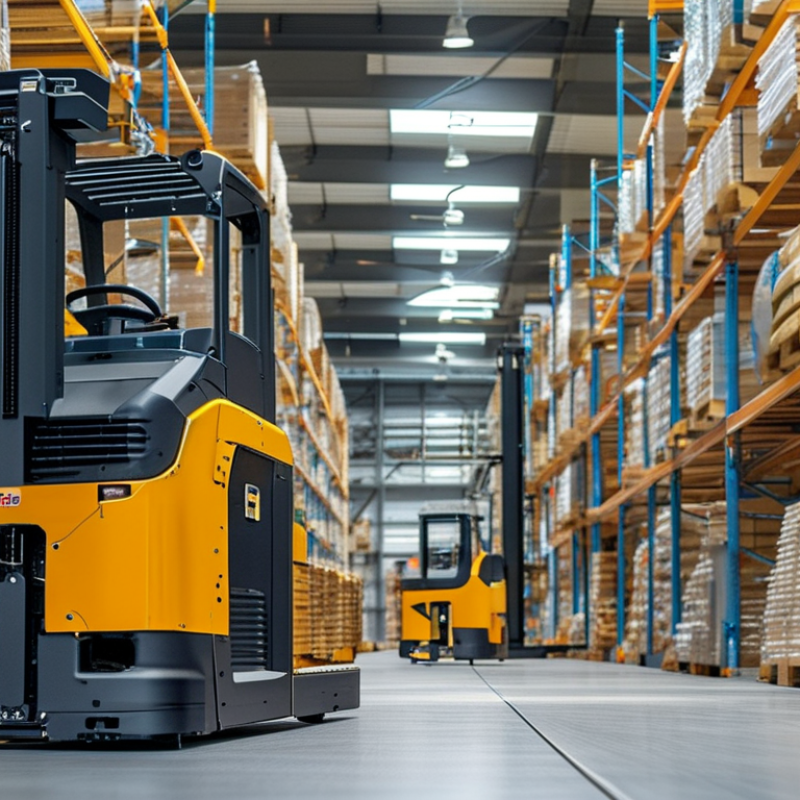
Automated Guided Vehicles (AGVs) have revolutionized warehouse automation. Their impact is undeniable. According to a report by ResearchAndMarkets, the AGV market is expected to grow by 15.1% annually through 2026. This growth is fueled by the demand for efficient material handling solutions. Businesses are keen on adopting technology that enhances productivity and reduces labor costs.
AGV forklifts are designed to navigate warehouse layouts autonomously. They help in transporting goods without human intervention. Some studies suggest that integrating AGVs can increase operational efficiency by as much as 25%. However, this transition is not without challenges. Proper system integration and initial investment can be significant. Also, employee training is crucial to maximizing their potential.
Implementing AGVs involves careful planning. The layout of the warehouse and existing workflows must be considered. While AGVs offer numerous benefits, they may not suit every warehouse. There can be unexpected operational hurdles. Businesses need to evaluate their specific needs and assess if AGVs align with their goals for automation.
Automated Guided Vehicle (AGV) forklifts are transforming warehouse operations. They enhance efficiency, reduce labor costs, and minimize human errors. A significant industry report revealed that implementing AGV technologies can boost warehouse productivity by over 30%. Understanding the key features of AGV forklifts is crucial for companies aiming to optimize these benefits.
One critical feature is navigation technology. Many AGVs use laser scanners for precise movement. They create 2D or 3D maps of their environment, allowing them to navigate complex layouts. Additionally, some models employ magnetic or optical guidance systems, which are effective but can struggle with layout changes. Flexibility in navigation is essential to adapt to evolving warehouse needs.
Safety features play a vital role in AGV design. Regulatory standards require multiple safety measures, such as emergency stop buttons and obstacle detection systems. However, some systems still face challenges in recognizing dynamic objects. Continuous improvement in sensors can enhance safety capabilities further. A proactive approach to integrating these features can lead to a safer working environment.
As industries lean toward automation, AGV forklifts are becoming essential for warehouse efficiency. When exploring the capabilities of various brands, consider their unique features. Some models offer impressive load capacities while others excel in maneuverability. Understanding these differences is key.
Tip: Assess your specific warehouse needs before choosing a model. Space constraints may necessitate a smaller, more agile forklift. Conversely, if you handle heavier loads, prioritize models with higher lift capacities.
Maintenance is another critical factor. Some forklifts may require specialized care, leading to increased costs. Others are designed for easier upkeep, making them more reliable over time.
Tip: Look at user reviews and case studies to gauge long-term performance. Real-world experiences can reveal insights that specifications may not cover. This kind of research helps in making an informed decision.
Automated Guided Vehicles (AGVs) have transformed warehouse operations. They streamline the movement of goods, reducing errors and enhancing productivity. According to a recent report by the Material Handling Industry of America, implementing AGV systems can increase efficiency by up to 30% in material handling operations.
AGV forklifts excel in repetitive tasks. They are capable of transporting heavy loads over long distances without human intervention. This not only minimizes the risk of injury but also allows employees to focus on more complex tasks. Additionally, AGVs operate 24/7, thus maximizing output. A study from the Robotics Industry Association noted that the total cost of ownership for AGVs can be significantly lower than traditional forklifts over time.
However, challenges exist in integrating AGVs with existing warehouse systems. Issues may arise during the initial setup, and the need for specialized training can slow down implementation. Some users have reported that the return on investment takes longer than initially expected. Despite these hurdles, the long-term benefits, like improved safety and reduced labor costs, make AGV forklifts a valuable asset in modern warehousing.
Warehouse automation is rapidly evolving with advancements in AGV (Automated Guided Vehicle) forklift technology. According to a 2022 report by the Material Handling Industry, the AGV market is projected to grow exponentially, with an estimated compound annual growth rate (CAGR) of 14.5% through 2027. Integration of AI and machine learning into AGVs enhances their ability to navigate complex environments and make real-time decisions. This transition is not just about replacing human labor; it’s about creating efficient systems that reduce operational costs and improve safety.
As AGV technology matures, collaboration between robots and human workers will become more common. Improved sensors and navigation systems are key to reducing accidents, ensuring smoother operations. However, companies must address the challenges of workforce adaptation. Training programs are essential for workers to interact with AGVs safely.
Tip: Foster a culture of continuous learning. Regular training helps employees understand AGV functionalities.
The future also points towards increased customization. Companies will demand AGVs that can be tailored to specific operational challenges. This trend may strain existing manufacturers but encourage innovation in the industry. The balance between automation efficiency and manpower will require reflection on how to best utilize both resources.
Tip: Regularly assess and adapt your automation strategy. It’s important to reflect on the impact of AGVs on your existing workflows.
GV forklifts?
Many AGVs use laser scanners to create precise 2D or 3D maps. Some also use magnetic or optical guidance systems.
Key safety features include emergency stop buttons and obstacle detection systems. Continuous sensor improvements are needed for better safety.
They transport heavy loads without human help, reducing injury risk. Employees can focus on more complex tasks instead.
Initial setup can be tricky, and specialized training may slow down implementation. ROI can take longer than expected in some cases.
The market is set to grow with AI and machine learning integration. Customization will also be crucial to meet specific needs.
Training ensures safe interaction with AGVs as workforce adaption is key for smoother operations. Regularly assess training effectiveness.
Collaboration between robots and humans will rise, requiring a balance between automation and manpower. Reflection on workflows is essential.
AGV forklifts are revolutionizing warehouse automation, providing efficient solutions for material handling. These automated guided vehicles enhance operational productivity by reducing the need for manual labor and minimizing human error. Key features of the top AGV forklift models include advanced navigation systems, robust safety mechanisms, and compatibility with various warehouse layouts.
In comparing leading AGV forklift brands, the focus is on performance metrics and operational efficiency. The applications of AGV forklifts range from goods transportation to order fulfillment, significantly improving warehouse workflow. The benefits include cost savings, increased safety, and enhanced accuracy in inventory management. As technology progresses, future trends in AGV forklift technology will likely focus on further automation integration and smarter navigation capabilities, paving the way for even greater efficiency in warehouse operations.

SCP Technology