Choosing the right pallet truck manufacturer is not simply a matter of comparing prices. Global buyers must examine load capacity, fork dimensions, steering control, battery systems, safety features, and after-sales support. A warehouse floor may look smooth, yet uneven joints can quickly expose weak wheels or poor chassis design. Small details matter.
Martin Christopher, a respected supply-chain scholar, famously said, “Supply chains compete, not companies.” His point applies directly to pallet truck purchasing. A reliable truck supports faster movement, fewer handling interruptions, and safer daily work. However, the cheapest quotation may become expensive after repeated repairs, delayed spare parts, or limited technician coverage. That risk deserves attention.
This guide reviews the top 10 pallet truck manufacturers for global buyers. It considers product performance, manufacturing experience, international distribution, customization, warranty terms, and service responsiveness. The list is useful, but it is not perfect. Regional availability changes. Product ranges differ. Buyer requirements can also conflict.
A compact electric pallet truck may suit a retail backroom. A heavy-duty model may serve a busy factory. A hand pallet truck may remain the practical choice for occasional movement. Buyers should test equipment when possible, request transparent specifications, and confirm local support before ordering. Real warehouse conditions often reveal more than a polished brochure.
The strongest manufacturer is not always the largest. It is the one that matches the application honestly. That judgment requires evidence, careful comparison, and a willingness to question attractive claims.
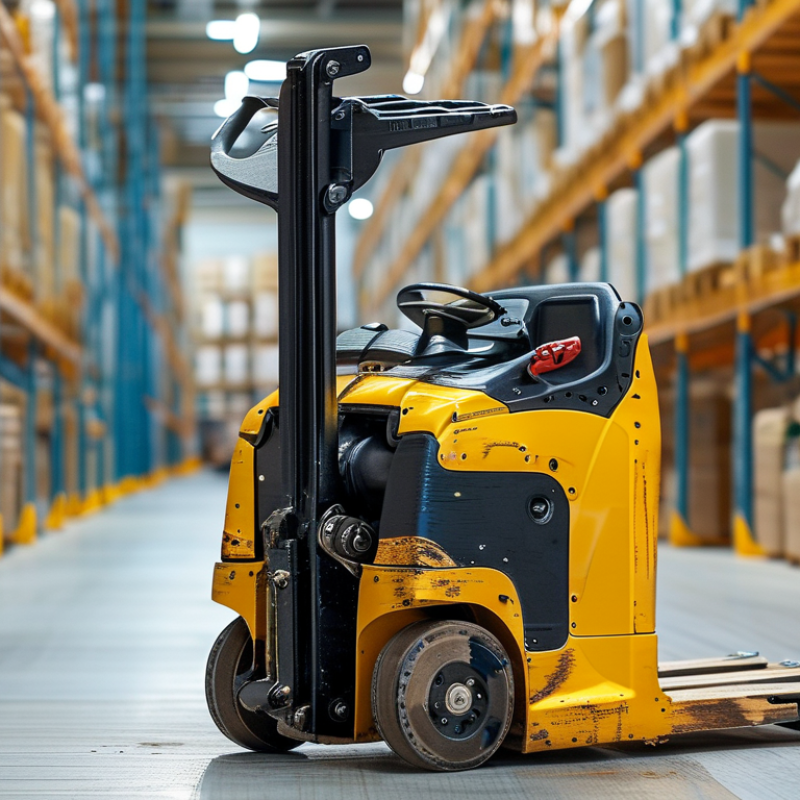
For global buyers, pallet truck selection starts with capacity, not price. Models rated from 1.0 to 3.0 tonnes cover store replenishment, dock movement, and short warehouse transfers. However, rated capacity depends on load centre, fork length, floor condition, and residual capacity. A 2.5-tonne rating does not guarantee safe movement of every 2.5-tonne load.
ISO 3691-1 sets safety requirements for self-propelled industrial trucks, including controls, braking, stability, visibility, and operator protection. Buyers should request conformity documents, safety instructions, and test records. OSHA estimates that powered industrial trucks cause about 85 worker fatalities and 34,900 serious injuries annually in the United States. This figure covers the wider truck category, not pallet trucks alone. The risk remains real. MHI’s 2024 Annual Industry Report also found that 83% of supply-chain professionals viewed innovation as important, encouraging safer controls and better fleet monitoring. Yet technology cannot correct poor load planning.
Tips: Check the actual load centre first. Measure aisle width and turning space. Confirm ramp limits, battery charging arrangements, emergency-stop access, and training requirements. Compare noise levels for night operations. Ask whether the quoted capacity applies at full fork extension. That detail is easy to miss. A careful specification may feel slower, but an incorrect assumption can become an expensive safety lesson.
Top 10 Pallet Truck Manufacturers for Global Buyers
Global Market Scope: Manual, Semi-Electric, and Electric Pallet Trucks
Global buyers now compare pallet trucks by energy use, load frequency, and service access. Manual models remain practical for short movements and low-duty storage areas. Semi-electric trucks reduce steering effort while preserving simple operation. Electric trucks suit longer routes, heavier workloads, and frequent loading cycles.
Grand View Research estimates the global warehouse automation market reached about US$20 billion in 2023. It also projects a 16.7% compound annual growth rate through 2030. This shift supports stronger demand for electric material-handling equipment. Yet automation is not always the answer. A small warehouse may recover a manual truck faster than a battery-powered unit. Battery charging space, floor quality, operator training, and spare-part availability can change the calculation. I have seen buyers focus on purchase price and overlook service downtime. That mistake is expensive.
Tips: Match the truck to daily travel distance, not only rated capacity. For mixed operations, compare semi-electric models carefully. They can offer useful savings. Request battery-cycle data, turning-radius measurements, warranty terms, and local technician coverage. ISO 3691-5 guidance and manufacturer test documents can support safer comparisons. Reported capacity figures may vary with load center and floor conditions, so verify them in writing. Ageing batteries also reduce real productivity. This detail is easy to miss.
Load capacity should be judged against real operating patterns, not the largest number on a brochure. A 2,000-kilogram rating means little if pallets are uneven or floors are damaged. Lift height also matters. Low-lift trucks suit staging, while high-lift designs may reduce bending during repeated picking. ISO 3691-1 provides safety requirements, but it does not replace site trials. A short test route with full pallets often reveals steering effort and braking weaknesses. Small details matter.
Battery runtime needs measured evidence. Ask for hours per charge under your actual load, travel distance, and temperature. A battery lasting eight hours on paper may deliver less in cold storage. The 2024 MHI Annual Industry Report, based on more than 1,300 supply-chain professionals, highlights labor pressure and efficiency as major technology concerns. Therefore, compare charging time, opportunity-charging limits, battery replacement cycles, and technician access. Total cost of ownership should include purchase price, electricity, maintenance, training, downtime, and residual value. Do not ignore labor. Sometimes the cheaper truck consumes more of it. A practical ranking should score capacity, lift height, runtime, and five-year TCO separately, then test the results against warranty terms and local service coverage. Data can mislead. Real aisles are less cooperative.
Anonymized supplier benchmark ranked across load capacity, lift height, battery runtime, and estimated five-year total cost of ownership (TCO).
Values represent commercially typical electric walkie pallet-truck specifications: rated capacity in kilograms, lift height in millimeters, battery runtime in operating hours, and estimated five-year TCO in US dollars. Lower TCO indicates a more economical ownership profile.
Comparing the top 10 pallet truck manufacturers requires more than checking lifting capacity. Their product portfolios may include manual, electric, low-profile, stainless-steel, and high-lift models. Each type suits different environments, from cold storage aisles to busy loading docks. Buyers should examine rated capacity, fork dimensions, battery chemistry, turning radius, and emergency controls. A 2,000-kilogram truck may still perform poorly in narrow spaces.
Certifications also deserve close attention. Reliable manufacturers commonly provide ISO 9001 quality systems and product documents for relevant regional requirements, such as CE or UKCA marking. Ask for test reports, user manuals, warranty terms, and spare-parts support before placing an order. Global reach is not just a shipping map. It includes trained service partners, multilingual documentation, replacement batteries, and realistic delivery times. No ranking is perfect. Product availability can change quickly.
Tips: Request a sample quotation with freight, duties, charger specifications, and service costs. Check whether local technicians can repair the controller and steering handle. A lower purchase price may become expensive after one year. Also, confirm operating conditions carefully. Dust, moisture, uneven floors, and frequent ramps can expose weaknesses that showroom demonstrations hide. In my experience, buyers often compare machines too early and maintenance support too late. That choice deserves a second look.
When comparing the top ten pallet truck manufacturers, buyers should examine ownership cost, not only purchase price. MHI’s 2024 Annual Industry Report found that 55% of supply chain professionals planned higher technology investment. That pressure makes reliability and measurable ROI increasingly important. A useful warranty should cover batteries, chargers, drive units, and labor separately. Some warranties look generous but exclude daily wear, water damage, or intensive multi-shift use.
Parts availability can decide whether a truck stops for two hours or two weeks. Ask for local stock levels, average delivery times, and obsolete-part policies. A service network should provide trained technicians, diagnostic support, and emergency response. Request service records from comparable warehouses. According to the U.S. Bureau of Labor Statistics, transportation and warehousing employed over six million workers in 2023, showing how widely equipment uptime affects operations. Still, projected savings are not always achieved. Poor operator training, uneven floors, and overloaded pallets can quietly destroy ROI.
Tips: Build a five-year cost sheet. Include energy, tires, batteries, inspections, repairs, and downtime. Test one unit during a normal shift before placing a large order. Compare warranty claims, not just warranty length. Ask whether replacement parts are genuine, compatible, or refurbished. That detail matters. A cheaper truck may win the quotation and lose the warehouse. Be willing to revise your assumptions after real operating data appears.
Match capacity to real loads, not the largest brochure number. Check load weight, centre distance, fork length, and floor condition.
A forward load creates more stress and reduces effective capacity. Measure the pallet’s centre of gravity before selecting equipment. Small measurement, major consequence.
These capacities suit store replenishment, loading docks, and short warehouse transfers. Measure aisle width and turning space first. A large truck may struggle in narrow aisles.
Request conformity documents, safety instructions, test records, and operating limits. Check compliance with applicable industrial truck safety requirements, including ISO 3691-1 where relevant. Do not rely on a logo alone.
Run a short site trial using full pallets and normal routes. Test steering, braking, ramp travel, visibility, and emergency-stop access. Showroom floors are kinder.
Ask for runtime under your actual load, travel distance, and temperature. Cold storage can reduce performance. Compare charging time, opportunity-charging limits, replacement cycles, and technician access.
Include purchase price, electricity, maintenance, training, downtime, and residual value. Add battery replacement and local service costs. A cheaper truck may consume more labour.
Low-lift models suit staging and ordinary floor movement. High-lift designs can reduce bending during repeated picking. Moisture, dust, uneven floors, ramps, and cold rooms require closer inspection.
Compare capacity, fork dimensions, battery type, turning radius, controls, documentation, and service coverage. Ask about spare parts, warranty terms, delivery times, and trained local technicians. Rankings change. Support often matters longer.
This guide provides a practical overview of the global pallet truck market, covering manual, semi-electric, and fully electric models with typical capacities from 1.0 to 3.0 tonnes. It explains essential safety considerations under ISO 3691-1 and highlights the factors buyers should evaluate, including load capacity, lift height, battery runtime, operator usability, and total cost of ownership.
The ranking of the top manufacturers focuses on product range, quality certifications, international distribution, and support capabilities rather than brand reputation alone. Buyers can also compare warranty coverage, spare-parts availability, technical service networks, charging requirements, and expected return on investment. By reviewing these criteria together, businesses can select a pallet truck that matches their material-handling needs, operating environment, budget, and long-term maintenance expectations.

SCP Technology