Investing in a smart forklift can transform your warehouse operations. The right equipment increases efficiency, reduces labor costs, and improves safety. However, choosing the best smart forklift requires careful consideration and research.
Market options vary widely. Each smart forklift offers unique features and specifications. It’s vital to evaluate your specific needs. Think about load capacity, operating environment, and available technology. A thorough analysis can prevent costly mistakes in your investment.
Balancing price with quality is challenging. Some smart forklifts may seem affordable but compromise on durability. On the other hand, premium models may not always guarantee the best performance. Reflect on past experiences and seek expert guidance to navigate this complex decision. Your choices today will impact your operations for years to come.
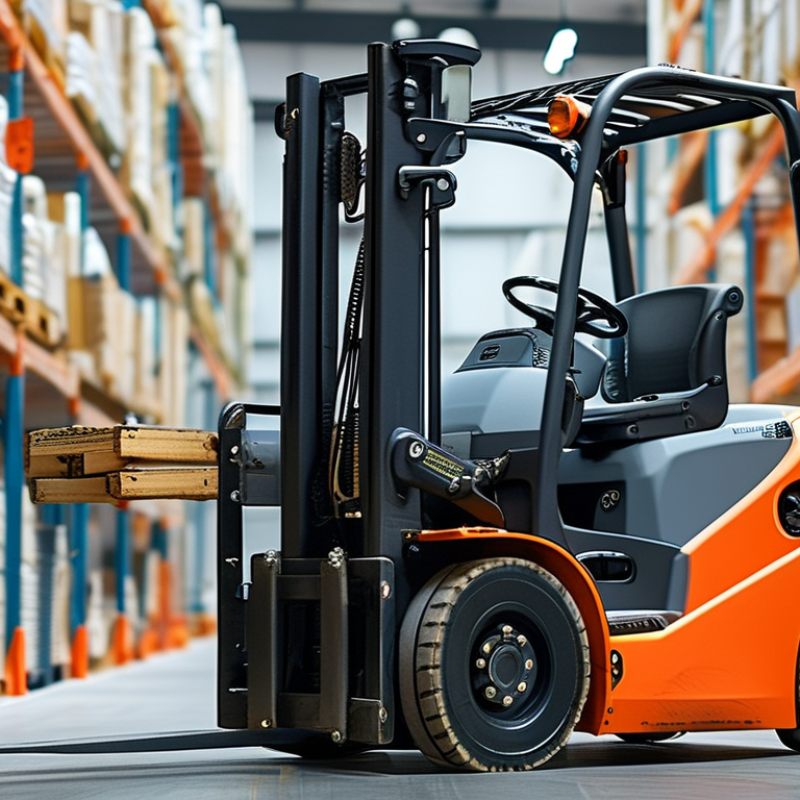
When investing in a smart forklift, several key factors require thorough consideration. An essential aspect is the technology used in the equipment. According to a 2022 report by the International Forklift Manufacturers Association, advanced features like IoT connectivity and automated data tracking can boost warehouse efficiency by up to 30%. Businesses need to assess if these features align with their operational needs to ensure maximum productivity.
Another critical factor is safety features. Forklifts with enhanced safety technology can significantly reduce workplace accidents. The American National Standards Institute outlines that modern smart forklifts come equipped with sensors and automatic braking systems. These innovations can decrease accident rates by more than 50%. Evaluating safety ratings and compliance with industry standards is essential for every potential buyer.
Budgeting is also a major concern. While smart forklifts often have a higher upfront cost, they can lead to long-term savings. A report from the Warehouse Equipment Supplier Association indicates that companies can save up to 20% on labor costs by utilizing smart equipment. However, it’s vital to analyze total ownership costs, including maintenance and training, to avoid future financial strain. Balancing initial investment with operational benefits is crucial.
| Key Factor | Description | Importance Level |
|---|---|---|
| Load Capacity | Evaluate the weight the forklift can handle to meet your operational needs. | High |
| Maneuverability | Consider the size and turning radius for tight spaces. | Medium |
| Technology Features | Look for smart technology options like automated lifting and navigation systems. | High |
| Battery Type | Evaluate the efficiency and recharge options of the battery. | High |
| Safety Features | Assess safety mechanisms like stability systems and alarms. | High |
| Cost of Ownership | Consider all costs including purchase, maintenance, and operation. | Medium |
| Warranty and Support | Check the warranty terms and availability of customer support. | Medium |
: Evaluate the technology, safety features, and compatibility with your needs for maximum productivity.
Advanced features like IoT and automated data tracking can improve efficiency by up to 30%.
Enhanced safety tech can reduce accidents significantly, with some estimates showing a decrease of over 50%.
Analyze total ownership costs, including maintenance and training, to avoid future financial strain.
Electric, autonomous, and hybrid models offer various benefits but also come with specific limitations.
They may struggle with battery life and charging times compared to traditional diesel models.
They reduce labor costs and streamline operations but may require human intervention in unexpected situations.
They combine features of both but can be more complex and may not always be the best choice.
Consider potential long-term savings against the higher initial investment and ongoing costs.
Think about how the forklift fits into current systems and aligns with operational needs for efficiency.
When considering the purchase of a smart forklift, several key factors must be evaluated to ensure optimal performance and value. Understanding the various types of smart forklifts available in the market is crucial, as each type offers unique features tailored to specific operational needs. Additionally, a thorough analysis of the cost versus benefits will help organizations weigh the investment against potential gains in efficiency and productivity.
Furthermore, assessing the technology features of smart forklifts is vital for enhancing overall performance. Elements like automated systems and advanced sensors can significantly improve handling and safety. Finally, evaluating the maintenance and support options is essential to ensure long-term reliability and minimize downtime, ultimately leading to a successful integration of smart forklifts into operational workflows.

 SCP Technology