In the rapidly evolving world of logistics, choosing the right robot forklift is crucial. Experts like Dr. Emily Johnson, a leading authority in automation technologies, emphasize the importance of informed choices. She said, "Selecting a robot forklift requires understanding your unique operational needs."
As companies seek efficiency, the demand for robot forklifts grows. These machines promise to enhance productivity and reduce labor costs. However, not all robot forklifts are created equal. Each model has unique features that cater to different environments and tasks. This complexity can overwhelm potential buyers.
Ensuring the right fit involves assessing both your operational needs and the capabilities of various models. Many overlook this crucial step and end up making costly mistakes. It's essential to approach the selection process with careful analysis and reflection. The right robot forklift can transform your operations, but only if selected wisely.
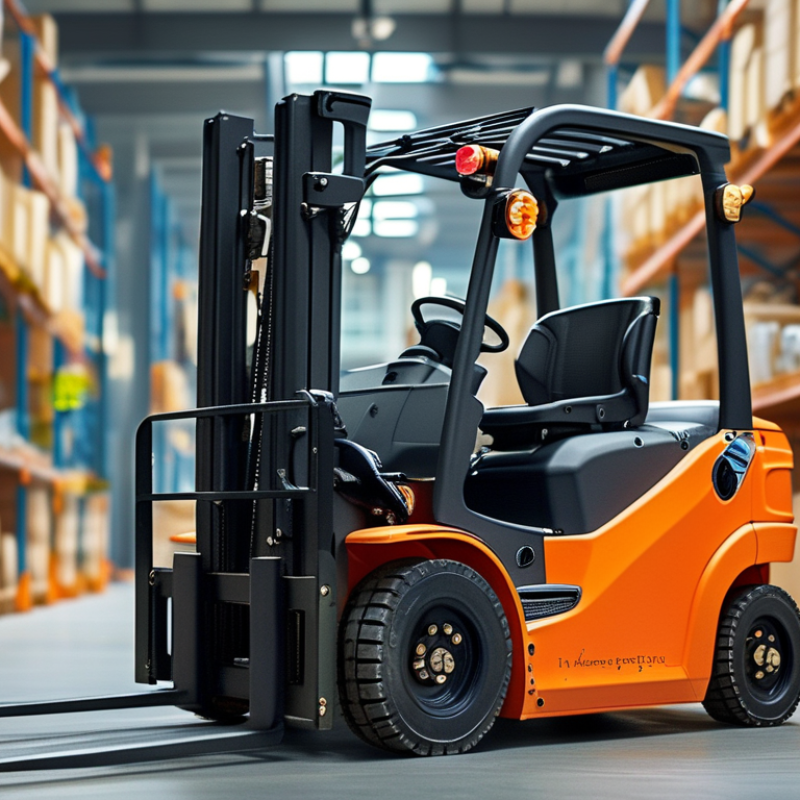
When selecting a robot forklift for your warehouse, understanding key considerations is crucial. Recent studies show that over 60% of logistics companies report challenges with inefficient material handling. Evaluating your warehouse's layout is vital. A compact space may benefit from smaller, agile robots. In contrast, larger facilities might need more powerful models.
Payload capacity is another critical factor. Surveys reveal that choosing the right capacity can reduce operational costs by up to 15%. Misunderstanding this can lead to frequent breakdowns and maintenance issues, which adds delays. Depending on your products, assessing the lift height and maneuverability can make a significant difference in productivity.
Additionally, integration with existing systems must not be overlooked. Many organizations face connectivity issues when introducing robotic solutions. Ensuring compatibility can enhance efficiency and reduce training time. It’s also valuable to consider ease of operation. User-friendly interfaces can encourage faster adoption among staff. Make certain the robot forklift aligns with your operational goals, yet flexible enough for future scalability.
This chart illustrates key specifications to consider when choosing a robot forklift for your warehouse, including load capacity, lift height, battery life, navigation type, and price. Each factor plays a crucial role in ensuring that the selected robot forklift meets your operational needs.
When exploring robot forklifts, understanding the different types available is crucial.
Automated guided vehicles (AGVs) are popular. They require predefined paths to navigate warehouses.
These forklifts excel in repetitive tasks but may struggle with dynamic environments. Flexibility is limited, and this makes them less suitable for diverse operations.
On the other hand, autonomous mobile robots (AMRs) offer increased adaptability.
They use advanced sensors and software to navigate freely. This allows them to maneuver around obstacles in real-time.
They can perform a variety of tasks, enhancing their utility. However, they may require significant time for setup and calibration.
This is a point that many users overlook.
Another category includes hybrid robots that combine the best features of AGVs and AMRs.
They can operate on fixed paths and adapt to changes. This versatility can make them appealing for businesses with fluctuating needs.
Nevertheless, the complexity of hybrid systems can lead to challenges in maintenance and troubleshooting.
Each type of forklift has its pros and cons, and careful consideration is essential when choosing the right model.
When selecting a robot forklift, evaluating load capacity and lifting height is crucial. Consider the specific weights of the loads you commonly handle. If your facility manages heavy pallets, choose a robot forklift designed for high load capacities. A model with a capacity of over 1,500 kg might be necessary in such scenarios. It's essential to know your maximum load; exceeding this can lead to safety risks.
Lifting height is another critical factor. Determine the maximum elevation required for your operations. Many automated systems offer varying heights, typically ranging from 3 meters to over 10 meters. However, this depends on the storage solutions in your warehouse. Your picking needs will also influence this choice. A warehouse with high shelving requires a robot forklift that can reach tall heights efficiently.
Reflect on the adaptability of the robot forklift. Some systems may perform well under certain conditions but struggle with others. For instance, if your layout changes frequently, a more flexible design may be advantageous. Understand that each operation is unique, and what works for one might not fit your needs. Prioritizing quality and ensuring future scalability will enhance operational efficiency over time.
Battery life and charging options play a critical role in selecting the best robot forklift. According to a recent industry report, about 30% of operational downtime in warehouses is due to insufficient battery power. A reliable battery ensures that the forklift can operate for extended periods without interruption.
When considering a robot forklift, look for options that offer rapid charging capabilities. Some models can recharge within 1-2 hours, significantly reducing downtime. Long-lasting batteries also contribute to the overall efficiency of operations.
The most advanced systems provide real-time battery monitoring, alerting operators to performance issues early on.
Tip: Evaluate the total cost of ownership. Batteries with longer lifespans may have higher upfront costs but save money over time. Keep in mind that battery technology is evolving quickly. Some units may require more frequent replacements than anticipated, impacting budget planning. Assessing these factors carefully is vital for making an informed choice.
When considering the cost-benefit ratio of investing in robot forklift technology, it's essential to assess various factors. Data from industry reports suggest that automated forklifts can lower operational costs by up to 30% over time. This savings comes from reduced labor costs and increased efficiency. For many companies, these forklifts can lead to a faster return on investment (ROI), often within two to three years.
Investing in robot forklifts can also enhance safety in the workplace. Statistics indicate that automated systems reduce accident rates by around 50%. While the upfront cost may seem high, these savings can offset the initial investment. These machines often operate with precision and can work continuously, increasing productivity.
Tip: Evaluate your current operational requirements. Identify tasks that can benefit most from automation. Understanding your specific needs helps in choosing the right forklift model.
Furthermore, consider potential maintenance costs. Robotic systems may require specialized servicing. Not all companies are prepared for this added complexity. It’s vital to weigh these factors against potential gains. Each business case is unique, so thorough analysis is crucial.
: It ensures safety and efficiency when handling heavy loads, preventing accidents and operational issues.
A robot forklift with a capacity over 1,500 kg is often necessary for heavy pallet handling.
Assess the maximum elevation needed based on your warehouse shelving and picking requirements.
Most systems lift between 3 meters and over 10 meters, depending on storage solutions.
Consider how well it performs under changing warehouse layouts or operational conditions.
Insufficient battery power can lead to significant operational downtime, affecting productivity.
Rapid charging capabilities can significantly reduce downtime, with some models recharging in 1-2 hours.
It alerts operators to performance issues early, allowing for proactive management of battery health.
Batteries with longer lifespans might have higher initial costs but can save money over time.
Rapid advancements may lead to more frequent replacements, requiring careful budget planning.
When selecting the best robot forklift for your warehouse, there are several key considerations to keep in mind. First, understanding the different types of robot forklifts available today is crucial, as each type serves specific operational needs. Evaluating load capacity and lifting height requirements is essential to ensure that the chosen robot forklift can handle the demands of your warehouse environment effectively.
Additionally, analyzing battery life and charging options is important for maintaining operational efficiency, as a forklift with longer battery life can minimize downtime. Finally, assessing the cost-benefit ratio of investing in robot forklift technology will help in making an informed decision, balancing upfront costs with potential long-term savings and productivity improvements. By carefully considering these aspects, you can choose the right robot forklift that fits your warehouse requirements.

SCP Technology