Smart Forklift Tips for Efficient Warehouse Management?

Time:2026-04-27 Author:Madeline
0%

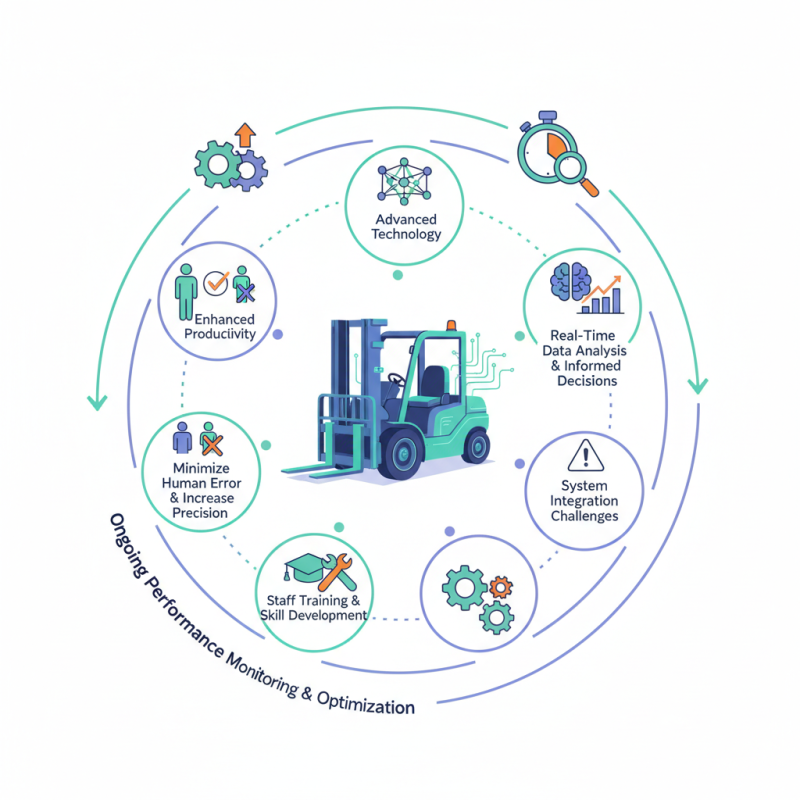
In today's fast-paced warehouse environment, efficiency is key. One tool that is revolutionizing logistics is the smart forklift. These machines enhance productivity through advanced technology. By incorporating sensors and automation, smart forklifts improve operational workflow. They minimize human error and increase precision during loading and unloading processes.

Moreover, smart forklifts offer real-time data analysis. This allows managers to make informed decisions quickly. However, the implementation of smart forklift technology can pose challenges. Staff might need additional training. Integration with existing systems can be complex. Addressing these issues is crucial for maximizing benefits.

Warehouse managers must remain vigilant. It's vital to assess the ongoing performance of smart forklifts. Regular monitoring ensures that these vehicles operate at peak efficiency. Embracing smart forklift solutions offers numerous advantages. Yet, it's essential to reflect on potential obstacles and address gaps in knowledge and skills among the workforce.
Smart Forklift Tips for Efficient Warehouse Management?

Understanding the Role of Smart Forklifts in Warehouse Efficiency

Smart forklifts are transforming warehouse management. They integrate advanced technologies like IoT and AI, increasing efficiency and reducing operational costs. According to a recent industry report by MHI, smart forklifts can improve warehouse productivity by up to 30%. This increase stems from real-time inventory tracking and automated processes.

One key feature of smart forklifts is their ability to communicate with other machines and systems. They can optimize routing and loading, significantly cutting down on time wasted during operations. Estimates suggest that smart forklifts can reduce the time spent locating products by 50%. However, the dependency on technology means the workforce must be adequately trained. Without proper training, miscommunication can occur, leading to errors.

Data accuracy is crucial in warehouse management. Smart forklifts can collect and analyze data continuously. This feature enables managers to make informed decisions. However, data overload is a potential challenge. Managers need to sift through the information to find actionable insights. Failing to do so might render the data’s benefits ineffective. Embracing smart forklifts can greatly enhance efficiency, but it requires a commitment to ongoing training and adaptation.

Key Features of Smart Forklifts to Enhance Operations

In today’s fast-paced logistics sector, smart forklifts are transforming warehouse management. These advanced machines enhance operations with features that elevate productivity and safety. Real-time data tracking is key; it offers insights into inventory levels and equipment performance. When warehouses utilize data analytics, they can predict trends and optimize workflows.

One practical tip is to regularly train operators on smart forklift technologies. Proper training ensures they fully exploit features like collision detection and load monitoring. These elements not only minimize accidents but also improve handling efficiency, creating a safer environment. Additionally, consider integrating automated scheduling. It allows for efficient task allocation, reducing downtime effectively.

Fleet management becomes vital in maintaining these machines. Regular maintenance checks prevent unexpected breakdowns. Some warehouses may overlook this aspect, leading to costly downtime. Therefore, documenting maintenance schedules can instill a culture of reliability. Integrating smart alerts for maintenance is another operational enhancement. These alerts ensure that forklifts are running at their best capacity, maintaining a competitive edge in warehouse management.

Best Practices for Integrating Smart Forklifts into Existing Systems

Integrating smart forklifts into existing warehouse systems requires careful planning. Begin by assessing your current processes. Identify inefficiencies that smart technology can address. This involves examining workflow patterns, inventory management systems, and space utilization. A detailed analysis helps in understanding where a smart forklift can make a difference.

Next, employee training is essential. Workers must understand how to operate and interact with smart forklifts. This minimizes errors and enhances safety.

Some employees may resist new technologies due to fear of change. Address their concerns through workshops and hands-on training sessions.

Don't overlook the importance of data integration. Smart forklifts collect vast amounts of data that can optimize operations. However, ensure this data aligns with existing warehouse management systems. This may expose gaps in your current systems. Regularly review and amend processes based on data insights to improve efficiency.

Maintenance Tips for Ensuring Optimal Performance of Smart Forklifts

Maintaining smart forklifts is essential for optimal warehouse performance. Regular maintenance can reduce downtime by up to 30%. A proactive approach allows issues to be identified before they escalate. The average cost of unplanned downtime in warehousing exceeds $500,000 annually.

Daily checks should include battery health, tire wear, and fluid levels. Neglecting these can lead to decreased efficiency and increased repair costs. According to industry research, proper battery maintenance can extend lifespan by 20%. Ensure that the forklift is cleaned regularly. Dirt buildup can hinder sensors, impacting performance.

Scheduled servicing is vital. Inspections should occur at least every six months. With smart technology, many forklifts signal when maintenance is due. However, operators should not solely rely on these alerts. Staying attentive to unusual noises or performance issues is crucial. Continuous training for operators can boost awareness and efficiency. Investing in operator training ensures better handling and fewer accidents, addressing potential issues before they arise.

Training Employees on the Effective Use of Smart Forklifts

Training employees on the effective use of smart forklifts is vital for modern warehouse operations. A well-trained workforce can operate these advanced machines with precision. Ideally, training should include hands-on experience with smart features like automated navigation and load optimization. This can boost productivity significantly when employees understand the technology.

However, it is important to recognize that not all workers may adapt equally to new tools. Some may struggle with the control systems or dashboard interfaces. Regular training sessions can help employees improve their skills. Workshops that encourage questions about the technology can create a supportive learning environment. Providing feedback during training can also highlight areas needing more focus.

Monitoring performance post-training is critical. Evaluations can reveal gaps in knowledge and areas for improvement. Keeping track of efficiency metrics provides insights into how well employees are adapting. This information can help refine training methods. With continuous updates and refresher courses, employees can maintain their proficiency. This approach ensures the smart forklift systems are utilized effectively in the warehouse.

FAQS

: What are smart forklifts?

: Smart forklifts are advanced machines that use technologies like IoT and AI to enhance warehouse efficiency.

How much can smart forklifts improve productivity?

They can boost warehouse productivity by up to 30% through real-time inventory tracking and automation.

Why is training important for using smart forklifts?

Proper training helps prevent errors and miscommunication in operating smart forklifts, ensuring safety and efficiency.

What is a challenge managers face with data from smart forklifts?

Data overload can occur, making it hard for managers to find useful insights without proper analysis.

How can one integrate smart forklifts into existing systems?

Start by assessing current processes to identify inefficiencies that smart forklifts can address effectively.

What should be done if employees resist smart forklift technology?

Conduct workshops and hands-on training to ease fears and help them adjust to new technologies.

How important is data integration with smart forklifts?

Aligning data from smart forklifts with existing systems is crucial for optimizing operations and improving efficiency.

What might happen if data analysis is neglected?

Failure to analyze data can make its benefits ineffective, undermining the efficiency improvements smart forklifts offer.

Conclusion

Smart forklifts are revolutionizing warehouse management by enhancing operational efficiency and reducing labor costs. Understanding their role is crucial; these advanced machines utilize automation and real-time data to streamline inventory handling. Key features such as obstacle detection, load optimization, and integration with warehouse management systems significantly improve workflow and productivity.

To maximize the benefits of smart forklifts, it is essential to follow best practices when integrating them into existing operations, ensuring compatibility and minimizing disruptions. Regular maintenance is vital for maintaining their optimal performance, alongside providing comprehensive training for employees to utilize these innovative tools effectively. By focusing on these aspects, warehouses can achieve greater efficiency and accuracy in their logistics processes.

Madeline

Madeline

Madeline is a dedicated marketing professional with a wealth of expertise in our company's core offerings. With a keen understanding of the industry, she brings a unique perspective to her role, consistently delivering high-quality content that highlights the superior aspects of our products. As......