In modern logistics, the role of robotics has evolved significantly. Among these advancements, the "pallet robot" stands out for its efficiency. Industry expert Dr. Emily Carter emphasizes its potential, stating, "Pallet robots transform warehousing by reducing manual errors and speeding up operations." This innovation not only enhances productivity but also minimizes workplace injuries.
The pallet robot automates the handling of goods, optimizing warehouse space and ensuring precise deliveries. It utilizes advanced technology to sort, stack, and move pallets with remarkable accuracy. In an environment where time is money, such efficiency can lead to dramatic cost savings. However, companies must carefully implement this technology. A poorly integrated pallet robot may create disruptions rather than solutions.
Despite its advantages, the adaptation of pallet robots requires mindful consideration. Businesses must train staff and assess the integration process closely. Many companies still struggle to find the right balance between automation and human oversight. A thoughtful approach can make the difference between simple efficiency and true operational transformation.
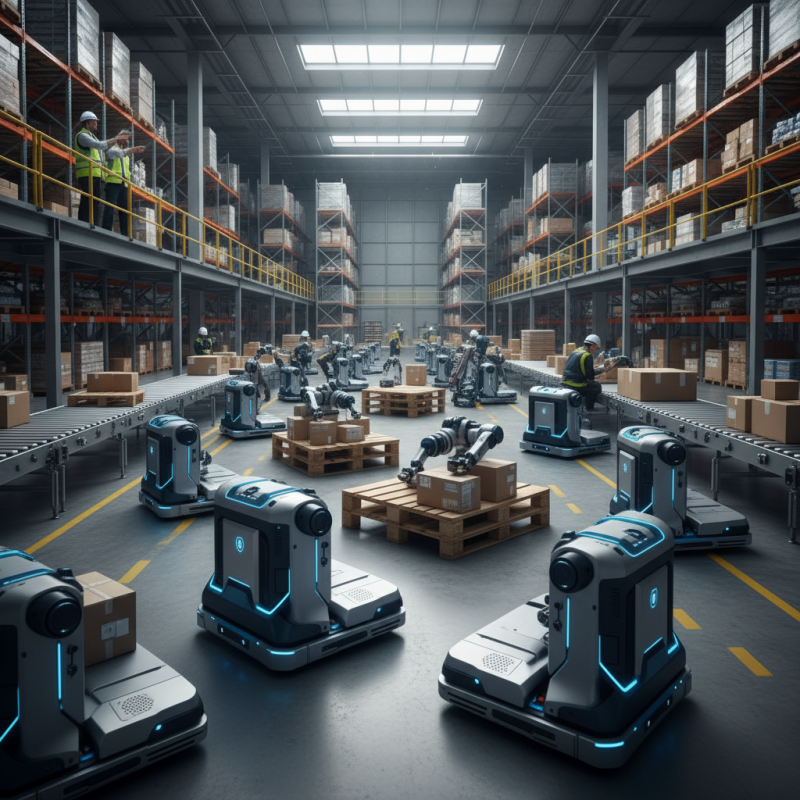
A pallet robot is an automated system designed for handling pallets efficiently. These robots are increasingly used in warehouses and manufacturing facilities. Their primary function is to move, stack, and organize pallets with minimal human intervention. According to a report by the International Federation of Robotics, the adoption of palletizing robots has grown by over 23% annually. This trend indicates their rising importance in modern supply chains.
One significant advantage of pallet robots is their ability to improve operational efficiency. They can operate continuously, reducing the time needed for pallet handling tasks. In a study by Gartner, it was found that companies using pallet robots saw a 30% increase in productivity. This boost often correlates with reduced labor costs and fewer workplace injuries. However, it is essential to consider the initial investment. Implementing such technology can be expensive and may lead to job displacements.
Another critical aspect is the adaptability of pallet robots. They can handle various sizes and weights, but programming them for different tasks may require expertise. Companies need to assess their specific needs and whether a pallet robot fits their long-term strategy. The balance between efficiency gains and the challenges of integration is vital for success in automation.
Pallet robots are revolutionizing warehousing processes. These automated systems streamline the movement of goods, improving speed and accuracy. They can transport heavy pallets with ease, reducing the risk of injury to workers. By automating repetitive tasks, pallet robots free up human labor for more complex activities.
In a busy warehouse, even a minor delay can lead to significant losses. Pallet robots can minimize bottlenecks. They operate continuously, ensuring that products move swiftly through the supply chain. Each robot can handle various weights and sizes, adapting to different tasks without extensive reprogramming. This flexibility enhances operational efficiency.
Tips: Regular maintenance of pallet robots is essential. Ensure sensors are clear and free of debris. Invest in training for staff to maximize these machines' capabilities. This preparation can minimize downtime and improve overall performance. Always evaluate the return on investment. Sometimes, not every process benefits from automation. Understanding these nuances is crucial for achieving optimal results.
| Dimension | Description | Impact on Efficiency |
|---|---|---|
| Speed | Pallet robots can transport goods at high speeds compared to manual processes. | Increases throughput and reduces lead times. |
| Precision | Equipped with advanced sensors for precise navigation and handling. | Minimizes error rates during picking and stacking. |
| Labor Reduction | Reduces the reliance on manual labor for repetitive tasks. | Lowers labor costs and reallocates human resources to more strategic roles. |
| Adaptability | Can be programmed to handle various pallet sizes and weights. | Improves versatility in operations as demands change. |
| Safety | Equipped with safety features to prevent accidents in busy environments. | Reduces workplace injuries and enhances overall safety. |
Pallet robots are transforming logistics and manufacturing landscapes. They automate the process of moving pallets within warehouses or production lines. This innovation directly impacts operational efficiency. By reducing manual labor, these robots lower the risk of injuries. Workers can focus on more complex tasks instead of repetitive ones.
One significant benefit is the speed at which pallet robots operate. They can transport goods faster than human workers. This rapid movement minimizes downtime in production processes. Additionally, automation leads to improved accuracy in inventory handling. Fewer errors mean less wasted time correcting mistakes. However, implementing this technology can be challenging. Training staff to work alongside robots requires time and effort.
Cost is another concern when considering pallet robots. Initial investments can be high, and companies may hesitate to adopt them. Long-term savings often justify this expense, but results can take time to manifest. Overall, while pallet robots promise improved efficiency, companies must weigh the benefits against potential challenges.
Pallet robots are transforming the way warehouses and factories operate. These machines automate the process of moving pallets, streamlining workflows. By handling heavy lifting and repetitive tasks, pallet robots reduce physical strain on workers. This can enhance overall safety and improve morale.
Moreover, pallet robots optimize inventory management. They can navigate efficiently, reducing travel time between locations. This means products are moved faster, which helps in meeting customer demands promptly. However, implementing these systems requires careful planning. Training staff to work alongside the robots can be challenging. Ensuring that everyone is comfortable with the technology is crucial for it to succeed.
Data shows that businesses using pallet robots see significant efficiency gains. Yet, over-reliance on technology can be risky. Robot malfunctions can disrupt operations. Companies need contingency plans to handle such situations. Balancing automation with human oversight remains vital for long-term success.
Pallet robots are revolutionizing warehouse operations. They automate the tedious task of palletizing goods, which can often lead to delays. The latest innovations focus on increasing flexibility and efficiency. For instance, advancements in artificial intelligence allow these robots to learn and adapt to different pallet configurations.
These robots can interact with other machines seamlessly. They use sensors and cameras to navigate complex environments. The goal is to reduce human error and optimize throughput. However, challenges remain. Implementing such technology can require significant investment and staff retraining. Not all facilities may be ready for this change.
Looking ahead, the integration of IoT technology will likely enhance pallet robot capabilities. Real-time data analysis could lead to smarter decision-making. Yet, there's a need for proper cybersecurity measures. As we embrace these future innovations, thoughtful consideration of both benefits and hurdles remains essential.
: A pallet robot is an automated machine for handling pallets. It moves, stacks, and organizes pallets efficiently.
They operate continuously, reducing pallet handling time. Many companies report a 30% productivity increase with these robots.
The upfront investment can be high. Companies must consider potential job displacements and ongoing maintenance costs.
Pallet robots can manage various sizes and weights of pallets. Adapting them for different tasks may require expertise.
Maintenance prevents malfunctions. Keeping sensors clear boosts performance and reduces downtime, supporting productivity.
Innovations include AI, enhancing flexibility and efficiency. Robots can learn and adapt, but implementation challenges exist.
Automation frees human workers for complex tasks. It reduces injury risks, improving overall workplace safety.
Significant investment and retraining staff may be necessary. Not every facility is equipped for this technological shift.
IoT allows real-time data analysis. This can lead to better decision-making but raises cybersecurity concerns as well.
Not all processes benefit from automation. It's essential to evaluate which tasks can improve productivity before implementing robots.
A pallet robot is an advanced automation solution designed to streamline the handling and storage of goods in warehousing environments. These robotic systems are capable of efficiently moving pallets, reducing the need for manual labor, and significantly increasing throughput. The functionality of pallet robots includes precise positioning, load handling, and integration with existing warehouse management systems, which enhances overall operational workflow.
The benefits of using pallet robots for efficiency are manifold. They not only minimize human error but also optimize space utilization and reduce operational costs. As pallet robots continue to evolve, future innovations may bring even more sophisticated capabilities, such as enhanced machine learning algorithms, improved safety features, and greater adaptability to various warehouse layouts. Overall, the implementation of pallet robots stands to revolutionize warehousing practices, making them more efficient and responsive to the demands of modern logistics.

SCP Technology