Laser SLAM, or simultaneous localization and mapping, is a cutting-edge technology transforming various industries. It utilizes laser sensors to create accurate maps of environments while tracking the location of a device. Businesses increasingly rely on Laser SLAM for enhanced efficiency and precision.
Companies that adopt Laser SLAM technology can expect improved operational workflows. For example, logistics and warehouse management benefit significantly. With laser mapping, they can optimize storage solutions and streamline transportation routes. This leads to reduced costs and increased productivity. However, implementation can be challenging. Integrating this technology requires skilled personnel and considerable investment.
Moreover, while Laser SLAM promises numerous advantages, it may not suit every business context. Organizations must evaluate their unique needs and capabilities. A thoughtful approach to deploying Laser SLAM can lead to impressive results, enabling companies to stay competitive in a rapidly evolving market.
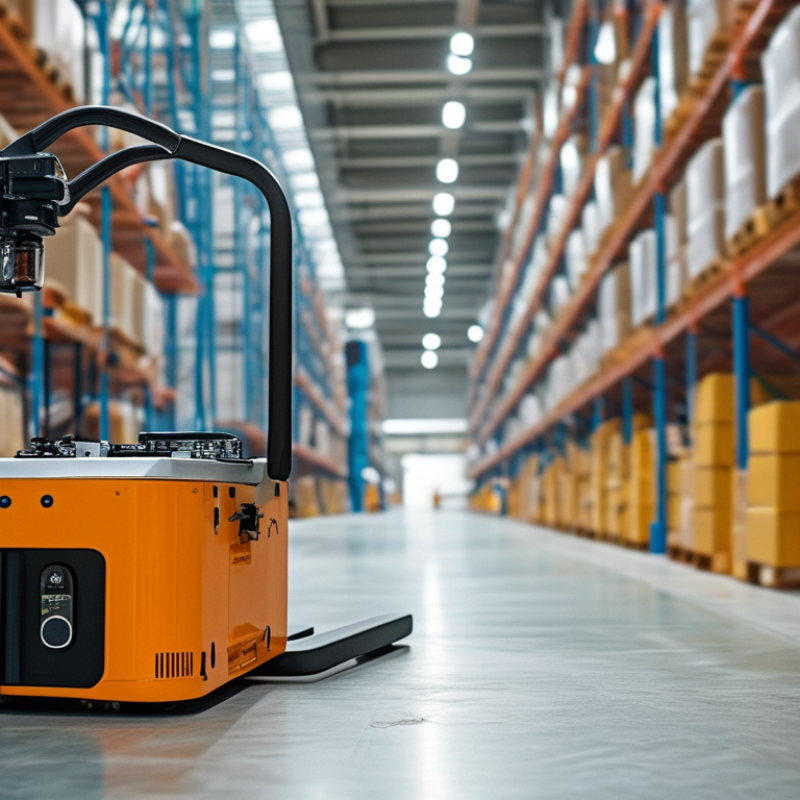
Understanding Laser SLAM Technology
Laser SLAM
(Simultaneous Localization and Mapping) technology is gaining traction across various industries. It combines laser scanning with advanced algorithms to create accurate maps in real time. A recent industry report highlights that Laser SLAM can improve mapping accuracy by up to 95%. This technology is particularly valuable in environments where GPS signals are weak or non-existent, such as indoors or in densely built areas.
By utilizing Laser SLAM, businesses can enhance operational efficiency. For instance, in warehouse management, Laser SLAM enables precise tracking of inventory and reduces search times by 30%. Companies report that adopting this technology leads to improved productivity and reduced operational costs. It simplifies complex tasks, allowing teams to focus on more strategic initiatives.
Despite its advantages, implementing Laser SLAM is not without challenges. There are ongoing concerns about data privacy and the potential need for skilled technicians to operate these systems. Some businesses may face a learning curve, requiring time and resources for staff training. Organizations should weigh these factors when considering integration into their existing processes. Ensuring a smooth transition can maximize the benefits of Laser SLAM technology.
Key Components of Laser SLAM Systems
Laser SLAM, or Simultaneous Localization and Mapping, has emerged as a powerful tool in various industries. Its capability to create accurate maps and track movement in real-time can significantly enhance business operations. Key components of a Laser SLAM system include the LiDAR sensors, robust algorithms, and processing units capable of handling large datasets.
LiDAR sensors are essential for capturing precise spatial data. They use laser beams to measure distances, offering exceptional accuracy. In recent studies, companies that implemented LiDAR technology reported a 30% increase in efficiency in mapping processes. Additionally, advanced algorithms process this data to provide real-time location insights, allowing businesses to adapt to dynamic environments.
It’s crucial to ensure your team understands how to leverage these technologies effectively. Training can maximize the benefits of Laser SLAM systems. Regularly updating your software and algorithms can prevent inaccuracies in navigation and mapping. Moreover, note that integrating these systems can require significant investment and expertise. Evaluate your current needs and make informed decisions based on your operational requirements. Taking small, iterative steps towards implementation can mitigate risks and enhance learning outcomes.
Laser SLAM System Components Analysis
Applications of Laser SLAM in Various Industries
Laser SLAM technology is transforming multiple industries through its precise mapping and navigation capabilities.
In construction, for example, Laser SLAM can create detailed 3D models of job sites.
This allows project managers to monitor progress and ensure that work aligns with designs.
However, the implementation requires careful planning to avoid inaccuracies during scans.
In the logistics sector, Laser SLAM enhances warehouse efficiency.
Autonomous vehicles equipped with this technology navigate complex environments with ease.
They precisely track inventory and minimize errors in picking and storing goods.
Yet, integrating this system into existing operations can be challenging, requiring staff training and potential workflow disruptions.
In agriculture, Laser SLAM aids in mapping fields for precision farming. It helps farmers optimize planting strategies and monitor crop health.
Nonetheless, reliance on such technology may lead to overlooking traditional farming wisdom.
Balancing innovation with experience is crucial for long-term sustainability in this sector.
Benefits of Implementing Laser SLAM in Business Operations
Laser SLAM (Simultaneous Localization and Mapping) is revolutionizing business operations. This technology offers precise mapping and navigation capabilities, enhancing efficiency in various sectors. For instance, in warehouse management, Laser SLAM allows for rapid inventory tracking. It uses advanced sensors to create a real-time map of the environment, ensuring that items are located accurately.
One significant benefit of implementing Laser SLAM is its ability to reduce operational costs. By minimizing errors in navigation, businesses save time and resources. Think of the hours saved by not having to search for misplaced items. Additionally, the data collected can be analyzed to optimize layouts, leading to better space utilization. However, integrating this technology is not without challenges.
Some companies may face difficulties in adapting their existing systems to new technology. Training staff can be time-consuming, and inconsistent results may occur during the initial phases. Reflecting on these obstacles is crucial before fully committing to a Laser SLAM implementation strategy. Ultimately, the potential gains in accuracy and efficiency make it a worthwhile consideration for many businesses.
Future Trends and Innovations in Laser SLAM Technology
Laser SLAM technology is rapidly evolving, offering new possibilities for various industries. This innovative approach combines laser scanning with simultaneous localization and mapping, allowing machines to understand and navigate their environment with high precision. It helps in creating detailed maps in real-time, which can significantly enhance operations in fields like construction, agriculture, and logistics.
Emerging trends point towards improved sensor technologies and artificial intelligence integration. With advancements, Laser SLAM can process data faster and more accurately. This means enhanced decision-making capabilities for businesses. Real-time analytics can provide insights into productivity and efficiency. However, challenges remain in data management and system integration. Ensuring compatibility with existing technologies can be difficult, requiring thoughtful consideration from companies. Balancing innovation with practical application is crucial for successful adoption.
As businesses explore these trends, it’s essential to remain adaptable. The technology landscape is always changing, and firms should prepare for continuous learning. Investing in employee training and infrastructure is vital for leveraging the full potential of Laser SLAM. Companies must also remain cautious about the ethical implications of deploying such technologies. Balancing innovation with ethical considerations is critical as this field progresses.
What is Laser SLAM and How Can It Benefit Your Business? - Future Trends and Innovations in Laser SLAM Technology
| Dimension |
Description |
Benefits |
Future Trends |
| Accuracy |
Laser SLAM offers high precision in mapping and localization. |
Reduces errors in measurements and improves project outcomes. |
Integration with AI for enhanced decision-making. |
| Speed |
Quick data collection for real-time processing. |
Speeds up workflows and project delivery timelines. |
Advancements in hardware to further reduce processing time. |
| Cost Efficiency |
Lower operational costs compared to traditional methods. |
Reduces labor costs and minimizes material waste. |
Emerging technologies that enhance affordability. |
| Versatility |
Applicable in various industries such as construction, robotics, and agriculture. |
Expands business capabilities across sectors. |
Increased adoption in emerging markets and sectors. |
| Data Integration |
Seamless integration with GIS and other data management systems. |
Enhances data analysis and visualization. |
Growth of cloud-based solutions to store and analyze data. |
FAQS
Key components include LiDAR sensors, robust algorithms, and powerful processing units for large datasets.
LiDAR sensors use laser beams to measure distances. They provide precise spatial data for accurate mapping.
Benefits include enhanced efficiency, reduced operational costs, and improved inventory tracking accuracy in various sectors.
Businesses may struggle with integrating new technology, training staff, and achieving consistent results initially.
Training maximizes the benefits of technology, ensuring teams can effectively leverage its capabilities.
Trends include improved sensors, AI integration, and enhanced data processing for better decision-making.
Regularly update software, evaluate operational needs, and invest in employee training to adapt effectively.
Companies should balance innovation with ethical implications to ensure responsible deployment of technologies.
Conclusion
Laser SLAM (Simultaneous Localization and Mapping) is an innovative technology that combines laser scanning and advanced algorithms to create real-time maps of environments while simultaneously determining the location of the scanning device. Understanding the key components of Laser SLAM systems, such as LiDAR sensors and powerful computing systems, is essential for businesses looking to leverage this cutting-edge technology.
The applications of Laser SLAM span various industries, including logistics, construction, and robotics, where it enhances operational efficiency and accuracy. By implementing Laser SLAM in business operations, companies can benefit from improved automation, reduced costs, and enhanced safety. As technology advances, future trends in Laser SLAM promise even greater innovations, positioning it as a vital tool for businesses aiming to stay competitive in an increasingly automated world.

 SCP Technology