Choosing the right driverless forklift for your warehouse can be challenging. The market offers various models and brands, each with unique features and technologies. Understanding your specific needs is crucial for making the best choice.
Driverless forklifts improve efficiency and safety in warehouse operations. They reduce human error and lower labor costs. However, the technology can seem complex. You must consider factors like the warehouse layout, load capacity, and integration with existing systems. Reach out to experts for insights.
Not every driverless forklift is suitable for every environment. Some may excel in open spaces but struggle in narrow aisles. Consider the longevity and support provided by manufacturers. This decision can significantly impact your warehouse's productivity. Evaluate carefully to ensure you select the best fit for your operations.
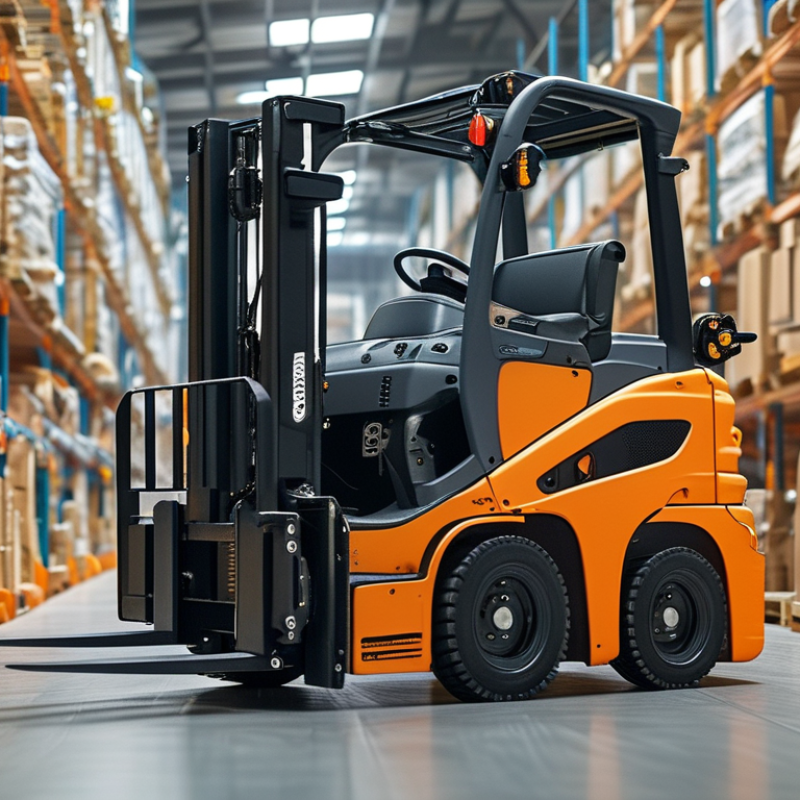
Choosing the right driverless forklift begins with understanding your unique warehouse needs. Each warehouse has different layouts, sizes, and workflow patterns. Evaluate your current inventory types and their weight. Identify the movements these forklifts need to perform. Will they navigate tight aisles or move between larger pallets? These details significantly impact your decision.
Consider the technology you currently use. Does your warehouse rely on a sophisticated management system?
Integration with existing operations is essential. A driverless forklift should ease workflows, not complicate them. Think about how often you update your inventory. Are there peak seasons when demand surges? Scalability is important here. A forklift that fits today’s needs may not serve you well in the future.
Measuring the floor space available is vital. Open areas might allow for larger forklifts, but narrow aisles may require compact models. Reflect on training time for your staff. Will they adapt quickly to new technology? Balancing automation with human oversight can yield the best results.
When selecting a driverless forklift, focus on key features that enhance efficiency and safety. One essential aspect is the vehicle’s navigation system. Look for models equipped with advanced sensors and mapping capabilities. This allows the forklift to navigate complex warehouse layouts seamlessly.
Another vital feature is load capacity. Assess your warehouse’s specific needs. Ensure that the forklift can handle the maximum weight you plan to transport. This helps prevent operational delays and equipment strain. Additionally, consider battery life. A forklift with a durable battery can work longer hours, minimizing downtime for recharging.
Tips: Regularly review your forklift's performance data. This ensures that it meets your operational standards. Pay attention to software updates as they can improve safety and functionality.
Also, check for maintenance options. A reliable maintenance program can save you time and money in the long run. Understanding the technology behind autonomous systems is crucial. Not all systems are equal, and some may require more oversight than others. Evaluate your team’s comfort level with technology. This investment should align with your workforce capabilities and warehouse needs.
When selecting a driverless forklift, safety standards play a crucial role. Automating your warehouse can bring efficiency, but it must not compromise safety. Forklifts equipped with sensors and cameras can detect obstacles in their paths. These features significantly reduce the risk of accidents. Understanding how these systems work is essential for making informed decisions.
Evaluating compliance with safety regulations is another key factor. Manufacturer certifications like ISO and ANSI demonstrate adherence to safety protocols. It's vital to examine the type of materials used in construction. Durable materials can withstand wear and tear, ensuring long-term reliability. Look for driverless forklifts with robust safety measures, including emergency stop functions.
However, even the most advanced technology has limitations. There can be scenarios where a driverless forklift may not function optimally. For instance, complex layouts or unpredictable human interactions might pose challenges. Regular training for staff is necessary as well. Employees must understand how to interact with these machines safely. This approach fosters a culture of safety and attention to detail within your organization, driving continued improvement.
When selecting a driverless forklift, it’s essential to evaluate various brands and models. Each manufacturer offers distinct features designed to meet different warehouse needs. Some brands excel in durability, while others prioritize speed and precision. It’s crucial to understand how these factors align with your operational requirements.
Consider the technology behind each model. Some forklifts use advanced sensors and AI for navigation, reducing the likelihood of accidents. Others may rely on simpler systems, which could lead to operational inefficiencies. Quality assurance is also vital. Investigate each brand’s reputation for reliability and customer support. Testimonials and case studies can provide insight into real-world performance.
Additionally, assess the after-sales service and availability of spare parts. A reliable support system can greatly enhance the operational lifespan of your investment. Always look for models that allow for easy upgrades. Technology is continually evolving, and you’ll want to keep pace with advancements. Balancing cost, features, and support will lead to a more informed decision for your warehouse needs.
Choosing the right driverless forklift involves a careful assessment of cost-effectiveness and return on investment (ROI). A recent report from Material Handling Industry reveals that companies can save up to 30% on labor costs when implementing automation. This significant reduction often offsets the initial investment in technology within three years. Such insights emphasize the importance of analyzing upfront costs against long-term savings.
It's also crucial to consider operational efficiency. According to research by the Institute of Supply Chain Management, automated systems can improve order accuracy by nearly 99%. This improvement leads to higher customer satisfaction and reduced returns. However, not every warehouse may experience these benefits uniformly. Outdated software or incompatible equipment can hinder effectiveness, prompting the need for continual assessments.
Moreover, the integration of driverless forklifts may require extensive training for existing staff. Transition periods can affect productivity temporarily. Understanding these potential hurdles helps in making a more informed decision. Factoring in both immediate expenses and potential pitfalls is essential for a successful automation strategy. The path to automation is not always smooth, but careful planning can lead to greater gains in the long run.
| Feature | Description | Cost ($) | Estimated ROI (%) | Maintenance Cost ($/year) |
|---|---|---|---|---|
| Load Capacity | Maximum weight the forklift can handle | 25,000 | 25 | 2,000 |
| Warehouse Compatibility | Suitable dimensions for your warehouse aisles | 20,000 | 30 | 1,800 |
| Battery Life | Duration of operation on a single charge | 18,000 | 28 | 1,500 |
| Navigation Technology | Type of navigation system used (e.g., Lidar, Vision) | 30,000 | 35 | 2,500 |
| Safety Features | Built-in safety mechanisms and sensors | 22,000 | 27 | 1,200 |
: Evaluate your warehouse layout, inventory types, and the specific movements required.
Integration is essential. The forklift should enhance workflows, not complicate them.
Advanced navigation systems, sufficient load capacity, and long battery life are key features.
Choose models with sensors, cameras, and emergency stop functions for safety measures.
Compliance assures adherence to safety protocols and reduces the risk of accidents.
Evaluate their comfort levels with technology and provide necessary training for safe operations.
Regularly review performance data and ensure timely software updates for functionality.
Yes, complex layouts and unpredictable interactions can hinder performance.
Larger spaces might accommodate bigger forklifts; tighter spaces may require more compact models.
A reliable maintenance program can optimize performance and extend the lifespan of the forklift.
When considering the integration of a driverless forklift into your warehouse operations, it is crucial to first understand your specific warehouse needs. This includes evaluating the layout, the types of loads handled, and the frequency of use. Key features such as navigation technology, load capacity, and battery life should be meticulously examined to ensure they align with your operational requirements.
Safety standards and compliance with industry regulations are paramount when choosing a driverless forklift, as they directly impact workplace safety and efficiency. Comparing various brands and models will help you identify the best fit for your operations while also taking cost-effectiveness and potential return on investment into account. By carefully analyzing these factors, you can make an informed decision that enhances productivity and streamlines your warehouse functions.

SCP Technology