How to Choose the Best Autonomous Forklift for Your Warehouse?

Time:2026-06-30 Author:Oliver
0%

In today’s fast-paced warehousing environment, choosing the right autonomous forklift is crucial. These machines enhance efficiency and reduce labor costs. However, making this choice can feel overwhelming. With various brands and models available, each with unique features, discerning the optimal fit for your operations requires careful consideration.

An autonomous forklift must align with your specific needs. Think about your warehouse layout, the types of loads you handle, and the volume of movement. For instance, a narrow aisle design might benefit from a compact model. Yet the learning curve associated with these advanced systems can be daunting. Many businesses encounter challenges with integration, leading to operational hiccups.

Understanding technology is essential. Seek out reputable suppliers who provide comprehensive training. Their expertise can significantly influence your success with an autonomous forklift. Additionally, embracing regular feedback from your team can help adapt and refine operations. Reflection on your past experiences with automation will guide future decisions.
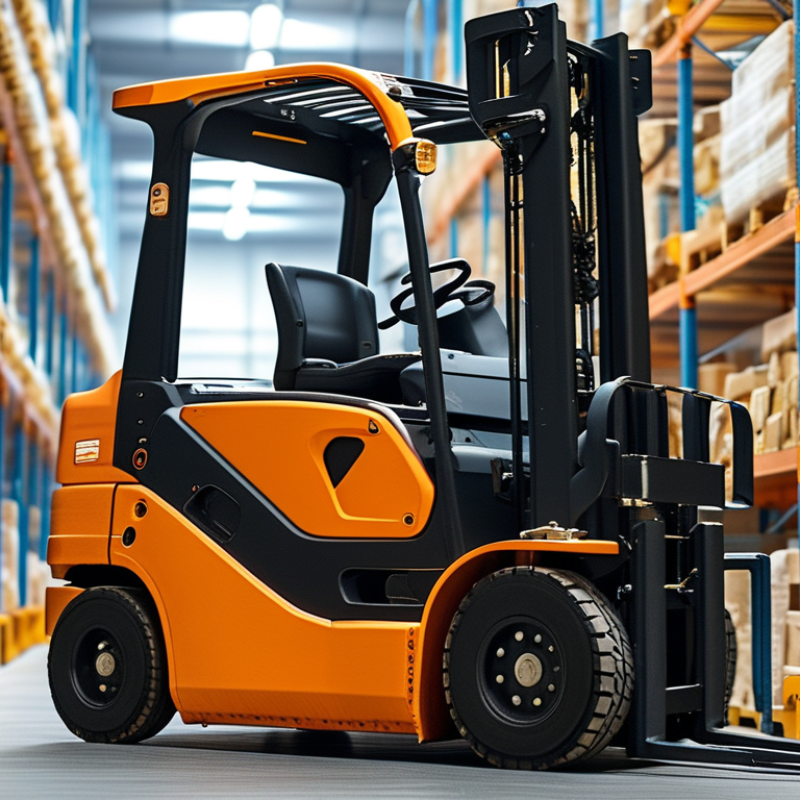
How to Choose the Best Autonomous Forklift for Your Warehouse?

Understanding the Basics of Autonomous Forklifts in Warehousing

Autonomous forklifts are revolutionizing warehousing operations. They are designed to increase efficiency and reduce human error. According to a report from the International Federation of Robotics, the adoption of these technologies could save businesses up to 40% in operational costs. Understanding the basics is crucial for warehouse managers considering this investment.

One important aspect to consider is the layout of your warehouse. Autonomous forklifts rely on precise navigation systems. A well-organized space maximizes efficiency and ensures safety. Remember, while these machines are effective, they need a structured environment to operate smoothly. Data suggests that improper space planning can hinder their performance.

When selecting an autonomous forklift, assess your specific needs. Consider the weight capacity and lift height required for your operations. Not every model fits all environments. A study by the Warehouse Robotics Group highlights that 60% of businesses face challenges due to misalignment of forklift capabilities and warehouse demands. Reflect on your current and future needs to avoid costly mistakes later on.

Key Features to Consider When Selecting an Autonomous Forklift

When selecting an autonomous forklift for your warehouse, key features are crucial. Efficiency is paramount. According to a report by the International Federation of Robotics, autonomous forklifts can increase warehouse efficiency by up to 30%. Battery life plays a significant role here. Many models operate for eight hours or more on a single charge. This means less downtime for charging and more operational time.

Safety features are essential in a busy environment. Advanced sensors can detect obstacles and navigate around them, reducing accidents. A study by the National Institute for Occupational Safety and Health indicates that over 70,000 forklift-related injuries occur annually in warehouses. Autonomous forklifts assist in lowering this number.

Consider the ease of integration with your existing systems. Some models may require significant changes in infrastructure. A report from Logistics Management notes that 25% of companies faced unexpected costs during integration. Therefore, careful planning is vital. Cost-effectiveness should also be examined. The return on investment needs to be clear, taking into account operational improvements and workforce adjustments.

How to Choose the Best Autonomous Forklift for Your Warehouse? - Key Features to Consider When Selecting an Autonomous Forklift

Feature Description Importance Level
Load Capacity The maximum weight the forklift can safely lift. High
Battery Life Duration the forklift operates on a single charge. High
Navigation Technology Methods used for navigation like LIDAR or vision-based systems. Medium
Safety Features Includes collision detection and emergency stop functionalities. High
Footprint Size Overall dimensions of the forklift that impacts maneuverability. Medium
Maintenance Requirements Frequency and complexity of required maintenance tasks. Medium
Scalability Ability to integrate more forklifts into existing operations smoothly. High

Evaluating Operational Efficiency and Cost-effectiveness

When selecting the best autonomous forklift for your warehouse, evaluating operational efficiency and cost-effectiveness is crucial. An effective autonomous forklift can significantly enhance productivity. It automates lifting, moving, and stacking tasks, which reduces the reliance on manual labor. However, consider the impact on your overall workflow. If the system disrupts existing processes, the benefits may not be realized.

Tips for assessing efficiency involve observing current operations. Identify bottlenecks and determine how an autonomous forklift could alleviate those. A detailed analysis of cycle times can help in comparing models. Make sure to assess the power source and battery life too. Short charging times can prevent downtime.

Cost-effectiveness goes beyond initial purchase prices. Look at maintenance costs, warranty options, and potential energy savings. Inquire about software updates and support services. You may find that cheaper options lead to higher long-term costs. Remember, investing in training will ensure that your staff can maximize the forklift's capabilities. Reflect on how these decisions will impact your warehouse's specific needs and future scalability.

Operational Efficiency and Cost-effectiveness of Autonomous Forklifts

This chart compares three different models of autonomous forklifts based on key performance indicators such as throughput, operating cost, maintenance cost, and energy efficiency. Evaluating these factors can help in choosing the best model for your warehouse operations.

Assessing Safety Standards and Compliance Requirements

When choosing an autonomous forklift, safety standards are crucial. These machines must comply with regulations to ensure a secure working environment. Different regions may have varying requirements. It's essential to understand these local regulations before making a decision.


Evaluating compliance is not always straightforward. Some autonomous forklifts may seem safe at first glance. However, not all meet the latest safety metrics. Investigating the manufacturer’s certifications can provide insights into their commitment to safety. Look for machines that undergo regular testing. This reflects their reliability in handling potential hazards.


User feedback plays a significant role in assessing safety. Listen to those who have experience. They can offer valuable insights into performance and reliability. Consider how these forklifts handle unexpected situations. Real-world usage often reveals issues that specifications might not cover. Balancing innovation and safety is vital but can be difficult to navigate. Be prepared to ask questions and seek thorough answers before making your choice.

Integration and Support Options for Autonomous Forklift Systems

When choosing an autonomous forklift, integration and support options are crucial. A seamless integration enhances both productivity and safety within the warehouse. According to the latest industry report, 75% of logistics managers say integration difficulty delays deployment. This emphasizes the need for a forklift that frames compatibility with existing systems.

Support options are equally important. Regular maintenance and technical support can significantly reduce downtime. A study revealed that businesses with proactive maintenance reduce unexpected failures by 30%. This insight underscores the necessity of choosing a supplier that offers robust support. Additionally, accessing real-time analytics can improve decision-making, further highlighting the importance of a strong support system.

Reflecting on the evolving landscape, it's clear that not all autonomous forklifts perform well in every environment. Factors like warehouse layout and operational scale play a significant role in effectiveness. Continuous assessment of these elements is vital, allowing businesses to adapt and optimize their operations for further efficiency.

FAQS

: What are autonomous forklifts designed to do?

: They aim to increase efficiency and reduce human error in warehousing operations.

How can autonomous forklifts impact operational costs?

Adoption can save businesses up to 40% in operational costs, according to a robotics report.

What is essential for the effective operation of autonomous forklifts?

A well-organized warehouse layout maximizes efficiency and ensures safety for operation.

What should I consider when selecting an autonomous forklift?

Assess weight capacity, lift height, and specific needs to avoid mismatches in capabilities.

How much can efficiency increase with the right autonomous forklift?

Efficiency can rise by up to 30%, reducing downtime and improving productivity in warehouses.

Why are safety features important for autonomous forklifts?

They help detect obstacles and reduce accidents, potentially lowering the number of injuries.

What can happen during the integration of an autonomous forklift?

Unexpected costs may arise if existing systems require significant changes, impacting the budget.

How does battery life affect operations?

Longer battery life means less downtime for charging, leading to more continuous operational time.

What is a common challenge in warehouse operations?

Misalignment of forklift capabilities with specific warehouse demands can create operational issues.

What should be considered regarding return on investment?

Ensure the ROI is clear by evaluating operational improvements and potential workforce changes.

Conclusion

When selecting the best autonomous forklift for your warehouse, it's essential to understand the fundamentals of these advanced vehicles. Autonomous forklifts enhance operational efficiency by automating repetitive tasks, thus allowing for better productivity. Key features to consider include navigation technology, load capacity, and battery life, which directly impact the forklift's effectiveness in your specific environment.

Additionally, evaluating operational efficiency and cost-effectiveness can help you make a financially sound decision. It's crucial to assess safety standards and compliance requirements to ensure that the chosen autonomous forklift adheres to industry regulations. Finally, consider the integration and support options available, as they can significantly affect the smooth implementation and operation of the forklift system in your warehouse. By thoroughly analyzing these aspects, you can make an informed choice that best suits your business needs.

Oliver

Oliver

Oliver is a seasoned marketing professional with a wealth of expertise in driving brand awareness and engagement. With a deep understanding of our company's product offerings, he consistently delivers high-quality content that enriches our professional blog. His insights not only shed light on......