Why Choose an Autonomous Warehouse for Your Supply Chain Needs?

Time:2026-06-19 Author:Henry
0%

In today’s fast-paced market, an Autonomous Warehouse is becoming essential for optimizing supply chains. According to a report by McKinsey, automation can enhance productivity by up to 30%. Many companies face challenges, such as rising labor costs and long delivery times. An Autonomous Warehouse addresses these issues effectively.

These facilities leverage advanced robotics and AI technologies. They streamline operations and reduce human error. Warehouses can operate around the clock, maximizing efficiency. However, the transition to an Autonomous Warehouse is not always seamless. Companies must carefully evaluate the costs and integration strategies.

Additionally, the technology requires regular updates to maintain performance. Trusting automated systems can be daunting for traditional businesses. Ensuring a smooth changeover is critical. Investing in an Autonomous Warehouse could lead to substantial long-term savings. But it demands thoughtful planning and commitment to succeed.
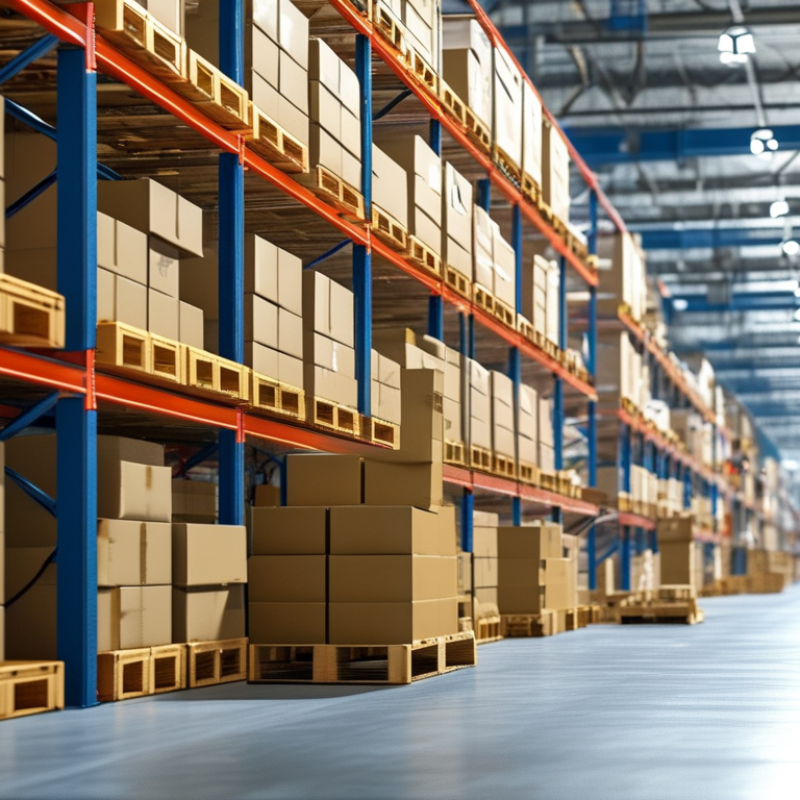
Why Choose an Autonomous Warehouse for Your Supply Chain Needs?

Definition and Overview of Autonomous Warehouses

Autonomous warehouses represent a transformative shift in supply chain logistics. These facilities utilize robotics and artificial intelligence to optimize operations. According to a recent report by McKinsey, automation can increase warehouse productivity by up to 30%. This progress is vital as e-commerce demands continue to rise. With the global warehouse automation market projected to reach $30 billion by 2026, the shift towards autonomous systems is accelerating.

An autonomous warehouse operates with minimal human intervention. Technologies such as Automated Guided Vehicles (AGVs) and robotic picking systems streamline processes, reducing errors. A study by the Aberdeen Group noted that companies adopting automation experience a 20% decrease in labor costs. Yet, there are challenges. Implementation can be costly and complex. Not every company is equipped to transition smoothly. Adapting existing workflows to new technologies requires careful planning and training.

Data security also raises concerns in autonomous operations. As warehouses integrate more digital tools, vulnerabilities may surface. Ensuring reliable systems and maintaining quality control is essential. Experts warn that while automation offers unparalleled efficiency, organizations must remain vigilant about risk management. The balance between technology and human oversight will determine long-term success.

Warehouse Automation Benefits: A Comparative Analysis

This bar chart illustrates the key benefits of autonomous warehouses in supply chain management. The data represents the percentage of perceived benefits, showcasing how automation can lead to increased efficiency, cost reduction, improved accuracy, scalability, and enhanced safety in warehouse operations.

Key Benefits of Implementing Autonomous Warehousing

The rise of autonomous warehousing is transforming supply chains. According to a recent industry report, companies that adopt autonomous systems can improve operational efficiency by up to 30%. This significant boost results from reduced human error, improved inventory tracking, and faster order fulfillment.

One of the key benefits is cost reduction. Research indicates that automated warehouses can lower operational costs by as much as 20%. With autonomous systems managing complex tasks, labor costs decrease. However, implementation isn't without challenges. Some operations struggle to integrate new technology with existing workflows. Training employees can be a time-consuming process, as adjustments to new systems may initially slow productivity.

Safety is another critical factor. Data shows that autonomous vehicles can reduce workplace accidents by 50%. Enhanced safety protocols built into these systems minimize risks associated with human labor. Yet, dependency on technology raises concerns about system failures and potential cyber threats. Balancing innovation with security remains vital as businesses transition to autonomous solutions.

Technological Innovations Driving Autonomous Warehouses

Autonomous warehouses are changing the landscape of supply chain management. The integration of robotics, artificial intelligence, and data analytics enhances operational efficiency. These technologies streamline processes, reduce errors, and improve inventory management. For instance, automated guided vehicles transport goods without human intervention. This not only speeds up operations but also minimizes labor costs.

Moreover, machine learning algorithms optimize routing and forecasting. They analyze past data to predict future demands accurately, providing valuable insights. However, implementing such technologies comes with challenges. Companies must ensure their systems are secure and resilient. There is still a degree of uncertainty in fully relying on automation. Training personnel to manage these advanced systems requires time and resources. Balancing automation with human oversight can be a complex task.

The flexibility of autonomous warehouses is noteworthy. They can adjust to varying demand levels swiftly. Yet, this adaptability also raises concerns about over-dependence on technology. It’s crucial to maintain a human connection in logistics. Technology should complement human effort, not replace it entirely. Embracing this balance can lead to a more resilient supply chain.

Challenges and Considerations in Autonomous Warehouse Adoption

Autonomous warehouses offer significant benefits but come with their own set of challenges. One major consideration is the initial investment. Implementing automation technologies, like robotic systems and AI, can be costly. For many businesses, the capital required can be a significant barrier. It's essential to assess whether the expected ROI justifies the spend before making a commitment.


Another challenge involves workforce adaptation. Employees may feel threatened by automation. They might worry about job security or be resistant to change. It's crucial to offer training programs. This helps employees transition smoothly into new roles. Consider strategies to improve awareness about the benefits of automation. Engagement can ease fears and promote a positive outlook toward new technologies.


Tips: Before adopting automation, run a cost analysis. Look at both short and long-term expenses. Regular training sessions can ease employee concerns. Encourage feedback to address issues early. Assess the adaptability of tech solutions to ensure they align with your existing operations. Continued evaluation is vital. The tech landscape changes rapidly, and so should your strategies.

Future Trends in Autonomous Warehouse Solutions

The future of supply chains increasingly points towards autonomous warehouse solutions. These advancements leverage artificial intelligence and robotics to streamline operations. With real-time data analytics, businesses can optimize inventory management. This capability enhances order accuracy and speeds up fulfillment.

As these technologies evolve, we see a rise in flexible automation. Warehouses are becoming adaptable spaces, ready to accommodate changing demand. Yet, this evolution raises questions about workforce dynamics. Will humans become obsolete, or will they need to focus on more complex tasks? This transition is certainly one to watch.

Moreover, autonomous systems promise to reduce operational costs. However, initial investments can be substantial. Companies must weigh these costs against long-term savings. Implementing these solutions requires careful planning and execution. It’s clear that while autonomous warehouses present exciting opportunities, they also demand critical consideration and strategic foresight.

FAQS

: What are autonomous warehouses?

: Autonomous warehouses use robotics and AI for efficient logistics. They operate with minimal human involvement.

How do autonomous warehouses improve efficiency?

They enhance operational efficiency by reducing human error, improving inventory tracking, and speeding up order fulfillment.

What are the cost benefits of automation?

Automated warehouses can lower operational costs by up to 20%. Labor costs decrease as machines manage tasks.

What challenges exist with implementing autonomous systems?

Integrating new technology can be complex. Training employees may slow productivity initially, creating adjustment hurdles.

How does automation impact workplace safety?

Autonomous vehicles can reduce accidents by 50%. However, reliance on technology may raise concerns about system failures.

Are there data security risks in autonomous warehouses?

Yes, as digital tools increase, vulnerabilities may emerge. Maintaining reliable systems is crucial for quality control.

How does machine learning enhance warehouse operations?

Machine learning predicts future demands based on past data, optimizing routing and inventory management effectively.

Can autonomous warehouses adapt to varying demands?

Yes, they can adjust quickly to changes in demand. However, over-dependence on technology can be concerning.

Why is human oversight important in automation?

Balancing technology with human effort is vital. It ensures resilience and maintains a personal connection in logistics.

What is a key reflection on the rise of autonomous systems?

While they offer efficiency, organizations must critically assess their readiness to manage the complexities of automation.

Conclusion

Autonomous warehouses represent a significant advancement in supply chain management, utilizing automation technologies to streamline operations. These facilities enhance efficiency, reduce labor costs, and improve accuracy in inventory handling. By implementing autonomous warehousing solutions, businesses can realize key benefits such as faster order fulfillment and enhanced scalability, thereby optimizing overall supply chain performance.

Technological innovations, including artificial intelligence and robotics, drive the development of autonomous warehouses, enabling real-time data analysis and improved decision-making processes. However, there are challenges associated with adoption, including initial investment costs and the need for workforce adaptation. As the industry evolves, future trends suggest a greater integration of smart technologies and increased customization to meet specific operational needs, making autonomous warehouses a critical component of modern supply chain strategies.


Henry

Henry

Henry is a dedicated marketing professional with a profound expertise in the company's offerings. With years of experience in the industry, he possesses an impressive understanding of the market dynamics and consumer behaviors that drive success. Henry is committed to sharing his insights through......