As industries seek innovation, automated forklifts have emerged as essential tools in enhancing warehouse efficiency. China stands at the forefront, producing advanced automated forklift solutions for global buyers. These machines streamline operations, reducing labor costs while improving accuracy in inventory management.
However, while many companies celebrate the rapid advancements in technology, challenges remain. Not all automated forklifts are built the same, and it can be difficult to navigate the countless options available. Buyers must consider compatibility with existing systems, maintenance requirements, and long-term reliability. Each feature should align with specific operational needs.
Furthermore, investment in automated forklifts is significant. Buyers must weigh potential savings against initial costs. Understanding these complexities is crucial for making informed decisions. In a rapidly changing market, a careful approach ensures that the benefits of automated forklifts outweigh the risks.
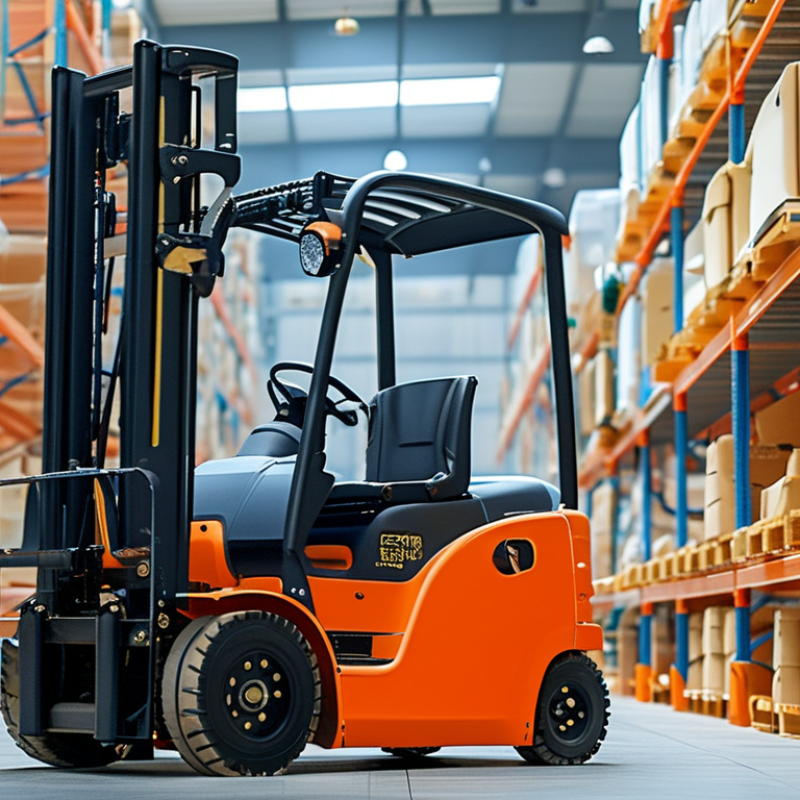
China has emerged as a leader in automated forklift solutions, catering to global buyers. Many manufacturers focus on innovation and efficiency. These companies invest heavily in research and development to produce cutting-edge technology. Precision and reliability are crucial factors in their design processes. Buyers seek machines that enhance productivity while ensuring safety.
The automated forklifts from these manufacturers come with various features. Advanced navigation systems allow seamless operation in busy warehouses. They also offer real-time data tracking for inventory management. Such features help companies minimize errors and save time. While many options exist, it's important to assess each one critically. Not all solutions meet the specific needs of every operation.
Many brands promote their technology as foolproof, yet real-world applications often reveal challenges. Users may face integration issues or require additional training. It's vital for buyers to consider these potential obstacles before making a purchase. A thorough evaluation can lead to more informed decisions, ultimately benefiting operations in the long run.
The rise of automated forklifts in China reflects significant advancement in logistics technology. Data from the China Forklift Association indicates that the market for automated solutions is projected to grow by 17% annually through 2025. This growth highlights the increasing demand for efficiency in warehousing and distribution.
Automated forklifts come with key features that enhance operational efficiency. They utilize advanced sensors and AI for precise navigation. This technology reduces collision risks and enhances safety. Reports show that these forklifts can achieve a productivity increase of up to 30% compared to traditional forklifts. Battery technology also plays a crucial role, with many automated models offering extended operating times and quick charging options.
Despite these advancements, challenges remain. Integration into existing systems can be a hurdle. Additionally, operators need training to adapt to this technology. As automated forklifts evolve, further research is necessary to address operational bottlenecks and improve user experience. The journey of innovation continues, reflecting both potential and areas for growth.
When selecting the right automated forklift, consider your specific operational needs. The global automated forklift market is expected to reach $8.54 billion by 2025, driven by the demand for efficiency and safety in warehouses (Research And Markets, 2021). A forklift’s payload capacity, operating environment, and technology type are critical factors. Some models excel in narrow aisles but may struggle with outdoor tasks.
Evaluate the operational hours required and battery life. A forklift designed for extended use may offer longer battery life but could be more expensive upfront. The balance between efficiency and initial investment needs careful thought. It's essential to analyze maintenance requirements. Some advanced models can be costly to repair. A detailed cost-benefit analysis can clarify long-term value.
User feedback is invaluable in this process. While many automated forklifts improve productivity, some may not suit all tasks. Understanding the limitations of different models can prevent costly mistakes. Look for data on user experiences to identify challenges. Engaging in discussions within industry networks can illuminate overlooked details. Balancing innovation and practical needs is the key to successful investment.
The rising demand for automated forklifts has led to a fascinating comparison between Chinese solutions and global offerings. Chinese manufacturers have gained a reputation for providing cost-effective options. Many stakeholders are intrigued by the potential for significant savings. While these automated forklifts may have lower upfront costs, buyers must analyze long-term operation expenses.
Quality is an essential factor in making decisions. Chinese forklifts may present challenges in durability and performance. Some users report issues with software compatibility. Global brands often ensure a higher standard of quality control and customer support. However, this usually comes at a premium price. Buyers need to evaluate the trade-offs carefully.
Maintenance costs vary as well. Chinese forklifts might require more frequent servicing, which can affect overall expenses. Reliability is paramount in logistics. If a solution cannot perform consistently, it undermines cost benefits. Each option has its advantages and drawbacks, and careful analysis is crucial for making informed choices. The key lies in balancing budget constraints with operational needs.
In recent years, automated forklift technology has seen significant advancements in China. These developments are not only enhancing warehouse efficiency but also redefining how logistics operate globally. As automation becomes more sophisticated, we can expect improved reliability and accuracy in material handling. However, not all implementations meet user expectations. Some facilities struggle to integrate new systems seamlessly into their existing operations.
The push towards sustainability is shaping future trends. Electric-powered forklifts and advanced battery technology are emerging to reduce carbon footprints. Meanwhile, artificial intelligence is helping enhance safety protocols and operational efficiency. Yet, the complexity of these systems can lead to unforeseen challenges, especially in maintenance and employee training. Buyers must critically evaluate these factors when considering automated solutions.
Data cybersecurity is also a crucial concern as automated forklifts become interconnected. While remote monitoring offers numerous benefits, vulnerabilities can arise. Ensuring data safety should be a priority for all manufacturers and users involved. Addressing these issues will be key to fostering a secure and productive automated environment in the logistics industry.
| Model | Load Capacity (kg) | Max Lift Height (mm) | Battery Type | Operating Time (hrs) | Navigation Technology |
|---|---|---|---|---|---|
| Model A | 1500 | 3000 | Lithium-ion | 8 | LIDAR |
| Model B | 2000 | 4000 | Lead-acid | 6 | QR Code |
| Model C | 2500 | 5000 | Lithium-ion | 10 | Magnetic Stripe |
| Model D | 500 | 2000 | Lead-acid | 5 | Inertial |
: Automated forklifts in China utilize advanced sensors and AI for better navigation and safety.
Reports indicate a productivity boost of up to 30% compared to traditional forklifts.
Integrating these forklifts into current systems can be difficult. Training for operators is also necessary.
They often have lower upfront costs, but long-term operation expenses need careful consideration.
Yes, some users have reported issues with durability and software compatibility.
Chinese models may require more frequent servicing, affecting overall expenses and reliability.
Buyers must balance budget constraints with the need for reliable performance and quality support.
Yes, global brands often offer better quality but at a higher price, requiring careful evaluation.
Further research is needed to address operational bottlenecks and enhance user experience.
Reliability can vary, and inconsistent performance may negate cost benefits. Careful analysis is essential.
China is rapidly emerging as a leader in the automated forklift market, with several manufacturers developing innovative solutions tailored to global buyers. These automated forklifts are designed with key features such as advanced navigation systems, enhanced safety mechanisms, and improved energy efficiency. When selecting the right automated forklift, buyers should consider their specific operational needs, the technology used, and the overall total cost of ownership, particularly when comparing Chinese options to established global brands.
As the industry evolves, future trends indicate a shift towards greater integration of artificial intelligence and machine learning in automated forklift technology, enhancing their functionality and adaptability in various environments. This growth not only positions China's automated forklifts as competitive alternatives but also reflects the broader advancements being made in logistics and material handling on an international scale.

SCP Technology