In recent years, the demand for automation in warehouse operations has surged. According to a report by the McKinsey Global Institute, it is estimated that automation can improve productivity by 20-25% in logistics. Laser Guided Vehicles Warehouse (LGVs) play a crucial role in this transition. These vehicles enhance efficiency and reduce manual labor.
Industry leaders have recognized the potential of LGVs. The market for warehouse automation, including LGVs, is expected to grow significantly. A report from MarketsandMarkets projects that it will reach $30 billion by 2025. However, the implementation of these technologies is not without challenges. Companies must address integration with existing systems and ensure workforce adaptability.
Moreover, while LGVs can optimize workflow, they require careful planning and maintenance. Companies may face a steep learning curve. They need to invest in employee training to fully leverage the benefits of LGVs. As the industry evolves, organizations must continually assess their strategies for effective warehouse automation.
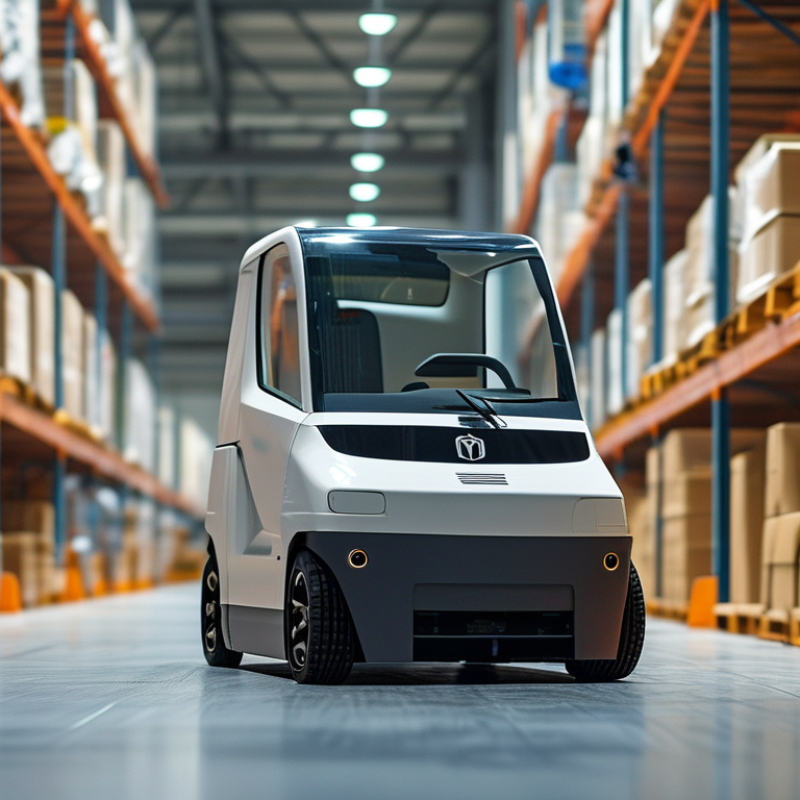
Types of Laser Guided Vehicles Used in Warehouse Automation
In the realm of warehouse automation, laser guided vehicles (LGVs) play a crucial role. These vehicles navigate using laser technology, enhancing efficiency and reducing human error. They are commonly categorized into several types based on their operational capabilities. For instance, some LGVs are designed for material transport, while others focus on inventory management.
Automated guided carts (AGCs) are a popular choice. They transport items across predefined paths. This ensures consistency and safety in material handling. Forklift-like vehicles also utilize laser guidance. They can lift and move pallets, optimizing warehouse space and reducing labor costs. Furthermore, there are autonomous mobile robots (AMRs) that adapt to their surroundings. They can change routes based on real-time conditions, making operations more flexible.
Tips: When selecting LGVs, consider your warehouse layout. Make sure the vehicles can navigate tight spaces. Regular maintenance is essential for longevity. Investing in training for operators can enhance overall efficiency, ensuring that the technology is fully utilized. Evaluate your specific needs before choosing the right type.
Best Laser Guided Vehicles for Warehouse Automation
| Vehicle Type |
Load Capacity (kg) |
Battery Life (hours) |
Speed (m/s) |
Navigation Method |
| Automated Guided Cart (AGC) |
1000 |
8 |
1.5 |
Laser Guidance |
| Automated Forklift |
1800 |
10 |
2.0 |
Laser Guidance |
| Tugger AGV |
2500 |
12 |
1.2 |
Laser Guidance |
| Pallet Jack AGV |
1500 |
9 |
1.8 |
Laser Guidance |
| Unit Load Carrier |
500 |
15 |
1.0 |
Laser Guidance |
Key Features to Consider When Selecting Laser Guided Vehicles
When selecting laser guided vehicles (LGVs) for warehouse automation, several key features should be carefully considered. One crucial aspect is navigation technology. Many LGVs utilize advanced laser scanning to navigate efficiently. According to a report by Logistics Research Group, accurate navigation can increase operational efficiency by up to 30%. This efficiency is essential as labor shortages in warehouses continue to challenge operations.
Another important feature is payload capacity. LGVs need to handle various loads while maintaining stability. In fact, the average payload capacity of effective LGVs ranges between 1,000 to 3,000 kg. An inadequate capacity may lead to frequent adjustments, hindering productivity. Organizations should analyze their specific needs to avoid investing in vehicles that fall short.
Tips: Assess the warehouse layout. A complex layout may require more advanced guiding systems. Look for vehicles with customizable settings. They should adapt to both light and heavy-duty tasks seamlessly. Additionally, consider the maintenance requirements. Regular upkeep is necessary for optimal performance. It’s wise to choose LGVs that offer easy access for service and repairs.
Comparative Analysis of Leading Laser Guided Vehicle Brands
In the rapidly evolving field of warehouse automation, laser guided vehicles (LGVs) are becoming essential. These vehicles enhance efficiency and optimize space use. Various brands offer unique features, making it crucial to analyze their strengths and weaknesses.
Key players in the market focus on different aspects of performance. Some prioritize speed and agility, which can dramatically shorten transport times. Others excel in safety measures, integrating advanced sensors to prevent collisions. A careful comparison reveals a trade-off. High speed may compromise safety, while enhanced safety may reduce efficiency. It's important to weigh these factors based on specific warehouse needs.
Customer support and ease of integration also differ among brands. Some provide extensive training and resources, making user adoption smoother. However, others leave customers navigating challenges alone, which can hinder productivity. It’s valuable to consider not just the technology, but also the support network available for warehouse staff. This analysis will guide businesses to choose wisely and optimize their investment in LGV technology.
Warehouse Automation: Performance Comparison of Laser Guided Vehicles
Benefits of Implementing Laser Guided Vehicles in Warehousing
Laser guided vehicles (LGVs) have become essential in warehouse automation. Businesses are adopting them for various reasons. The precision and efficiency these vehicles offer dramatically enhance productivity. They navigate using laser technology, minimizing collisions and maximizing space utilization. This innovative approach lets warehouses adapt to the increasing demand for fast deliveries and order accuracy.
Implementing LGVs can reduce labor costs. As they take over repetitive tasks, employees can focus on more complex jobs. However, integrating these vehicles isn’t without challenges. Staff must be trained to work alongside LGVs. Miscommunication can cause delays and inefficiencies. Additionally, maintaining these advanced systems requires ongoing investment. While the benefits are significant, companies must weigh the upfront costs against long-term gains.
Safety is another crucial aspect. LGVs improve safety by reducing human error. They can operate in tight spaces and navigate obstacles with ease. Yet, human oversight remains necessary. Proper protocols must be followed to ensure everyone’s safety. It's important to create a balance between technology and human intervention in warehouse operations.
Challenges and Limitations of Laser Guided Vehicle Technology
Laser Guided Vehicles (LGVs) have transformed warehouse automation. However, there are significant challenges associated with this technology that warrant careful consideration. A report by the International Federation of Robotics indicates that while LGVs enhance efficiency and productivity, they face hurdles in navigation and environmental adaptability. For instance, they rely heavily on reflective tape or lasers for guidance, which may not work effectively in all settings.
The integration of LGVs into existing warehouse infrastructures presents another difficulty. Even with advanced technology, these vehicles may struggle with uneven surfaces or dynamic obstacles. A study from the Logistics Management Association highlighted that about 30% of LGV users reported issues with operational efficiency, especially in complex environments. Maintenance is also a concern; regular calibration and updates are necessary to keep LGVs running smoothly.
Furthermore, there are limitations in system flexibility. LGVs are not always able to adapt to rapid changes in workflow. Changing layouts or inventory flow can hinder their performance. Experts note this rigidity could lead to logistical bottlenecks. Consequently, while LGVs offer great promise, careful planning and ongoing evaluation are essential for successful implementation in warehouses.
FAQS
: LGVs are automated vehicles using laser technology for navigation. They enhance efficiency and reduce human error in warehouses.
Common types include automated guided carts, forklift-like vehicles, and autonomous mobile robots, each with unique functions.
LGVs minimize human error and can navigate tight spaces, but human supervision is still crucial for safety.
Evaluate the warehouse layout and ensure LGVs can navigate tight spaces effectively.
Staff must be trained to operate and communicate with LGVs to avoid delays and enhance efficiency.
They may struggle with uneven surfaces, dynamic obstacles, and require regular maintenance for optimal performance.
LGVs can reduce labor costs by taking over repetitive tasks, allowing employees to focus on complex jobs.
LGVs may not adapt well to rapid changes in workflow, which could lead to logistical bottlenecks.
Regular calibration, updates, and staff training are necessary investments to keep LGVs running smoothly.
Yes, companies must weigh upfront costs against potential long-term efficiency gains and productivity improvements.
Conclusion
Laser Guided Vehicles (LGVs) are revolutionizing warehouse automation by providing precise navigation and increased efficiency in material handling operations. Various types of LGVs such as automated pallet movers and forklifts are utilized in warehouses, and selecting the right model involves considering key features like load capacity, speed, and safety mechanisms.
Implementing Laser Guided Vehicles in warehouse environments offers numerous benefits, including reduced labor costs, improved inventory accuracy, and enhanced operational flexibility. However, challenges such as the initial investment costs, integration with existing systems, and potential technological limitations must be addressed for successful deployment. Overall, the adoption of Laser Guided Vehicles in warehousing is a strategic move towards optimizing logistics and enhancing productivity.

 SCP Technology