Top 5 Benefits of Material Handling Automation for Businesses?

Time:2026-05-28 Author:Aria
0%

In today's fast-paced industrial environment, material handling automation is becoming essential. According to a recent report by Grand View Research, the global market for automation in material handling is projected to reach $62.8 billion by 2028. This growth reflects the increasing demand for efficiency in supply chains. Leading expert Dr. John Smith emphasizes, “Embracing material handling automation can drastically reduce operational costs while improving productivity.”

Businesses are now discovering the tangible benefits of implementing material handling automation systems. These systems have proven to increase accuracy and speed in material movement, reducing human error. However, not every company may effectively adopt automation solutions. The transition can be challenging, requiring workforce training and an upfront investment. Companies must weigh these factors carefully.

Many organizations find themselves in a state of hesitation. They understand the potential of automation but fear the costs involved. This hesitation can be a barrier to fully reaping the rewards. As automation technologies evolve, companies need to adapt or risk falling behind their competitors. The insights from industry leaders will be crucial as businesses navigate their journey into material handling automation.
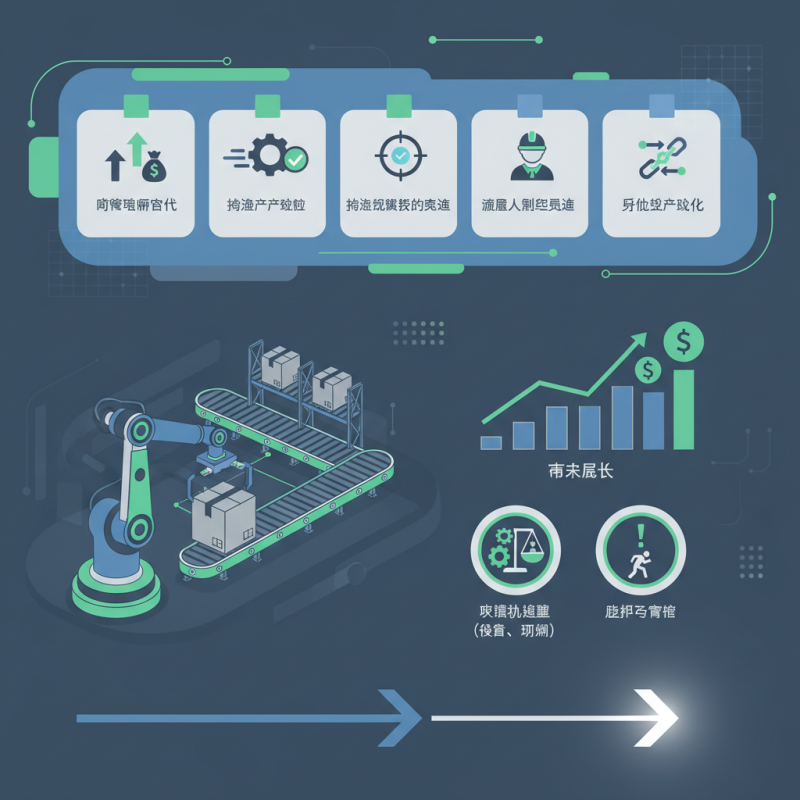
Top 5 Benefits of Material Handling Automation for Businesses?

Benefits of Increased Efficiency through Material Handling Automation

Material handling automation is transforming how businesses operate. Increased efficiency is one of its most significant benefits. According to a report by the Material Handling Industry of America, automation can improve productivity by up to 25%. This change means faster processing times and better use of resources.

Automation reduces errors in material handling. Human error can lead to costly mistakes, affecting inventory levels and customer satisfaction. A study by McKinsey found that automation can reduce errors by 70% in warehouse operations. With robots and automated systems, businesses see a decline in misplaced items and incorrect orders.

Cost savings are a considerable advantage. Reduced labor costs contribute to improved profit margins. However, some companies face challenges. Transitioning to automation can involve significant upfront expenses. Evaluating these initial costs against long-term savings is crucial. Finding the right balance is a constant concern for many organizations. The benefits of increased efficiency must be weighed against investment requirements.

Cost Reduction Through Automated Material Handling Systems

Cost reduction is a primary concern for many businesses. Automated material handling systems provide a significant avenue for achieving this goal. With consistent operation, these systems reduce labor costs substantially. Fewer employees are needed for tasks like transporting goods and sorting items.

Efficiency is greatly improved as well. Automated systems can work around the clock, speeding up processes that were previously slow and time-consuming. This results in less downtime and faster order fulfillment. Moreover, automation minimizes errors in handling materials, which can lead to costly mistakes.

Despite these advantages, the initial investment in automation can be daunting. Businesses must carefully evaluate their needs and return on investment. Not all companies may benefit equally from automation. Continuous reflection on performance and adjustments are necessary for optimal results.

Improved Safety Protocols and Reduced Workplace Injuries

In many industrial settings, safety remains a top concern. Automation in material handling addresses this issue effectively. Automated systems limit human involvement in hazardous tasks. This reduction in manual labor decreases the chances of workplace injuries significantly. For instance, systems can handle heavy lifting, minimizing strain-related injuries among workers.

Moreover, automation brings consistency to safety protocols. Machines operate according to programmed guidelines. This reliability ensures that safety measures are followed without deviation. However, implementing new technology can confuse some workers. Training sessions become essential to ensure all employees understand the systems. A lack of proper training could lead to accidental injuries during the transition phase.

Another aspect to consider is the psychological impact on employees. While automation can make the workplace safer, it may also raise anxiety about job security. Workers might doubt their roles as machines take over specific tasks. Addressing these concerns openly is vital. Continuous dialogue about automation's benefits can foster trust and ease fears.

Top 5 Benefits of Material Handling Automation for Businesses

Enhanced Accuracy and Inventory Management with Automation

Automating material handling can significantly enhance accuracy in inventory management. Businesses often struggle with human error in tracking stock levels. Simple mistakes can lead to overstocking or stockouts. Automation systems minimize these errors. They provide real-time data on inventory, reducing discrepancies.

Automated systems utilize advanced technologies like RFID and barcode scanning. These tools help in precise tracking of items. They improve the speed of inventory updates, ensuring data is always current. Companies can respond quickly to changes in demand. This agility is essential in today’s fast-paced market.

However, implementing these systems may come with challenges. Some employees may feel overwhelmed or resistant to change. It’s crucial to provide adequate training and support. A smooth transition can enhance employee confidence and improve overall accuracy. Ultimately, the right approach to automation can transform inventory management for the better.

Top 5 Benefits of Material Handling Automation for Businesses

Benefit Description Impact on Business
Increased Efficiency Automation streamlines operations, reducing the time required for material handling tasks. Boosts productivity and reduces labor costs.
Enhanced Accuracy Automated systems minimize human errors in order picking and stock management. Improves customer satisfaction and reduces returns.
Better Inventory Management Automation provides real-time inventory tracking and management capabilities. Reduces stockouts and overstock situations.
Improved Safety Automated systems reduce the physical strain on workers and lessen the risk of workplace injuries. Creates a safer working environment and reduces liability costs.
Cost Savings Reduction in labor costs and prevention of losses due to inefficiencies. Increases overall profitability for the business.

Scalability and Flexibility in Operations with Automated Solutions

With the rise of automated solutions, scalability and flexibility in material handling have become paramount for businesses. According to a recent report by the Material Handling Industry of America (MHIA), companies that automate their material handling processes can increase their operational efficiency by 30-50%. This not only improves productivity but also allows organizations to adapt quickly to market changes. Automated systems can easily scale up to meet increased demand, which is crucial in today’s fast-paced environment.

Flexibility is another significant advantage. Automated solutions can be reprogrammed or adjusted to handle different materials or products with minimal downtime. For instance, a warehouse that recently adopted automated guided vehicles (AGVs) reported a 25% increase in their ability to handle varying product lines. This adaptability is vital for businesses looking to support innovation and diverse customer needs.

However, integrating such systems can be complex. Many organizations encounter challenges, including workforce training and initial investment costs. It’s important for businesses to weigh these considerations against the long-term benefits of improved flexibility and scalability.

FAQS

: What are the benefits of automated material handling systems?

: They reduce labor costs and improve efficiency through consistent operation and faster processes.

How do automated systems enhance accuracy in inventory management?

They minimize human error and provide real-time data, reducing discrepancies in stock levels.

What technologies do automated systems use for tracking items?

They utilize RFID and barcode scanning for precise tracking and faster inventory updates.

What challenges might businesses face when implementing automation?

Some employees may feel overwhelmed or resistant to the changes introduced by new systems.

Why is a smooth transition important when adopting automation?

Adequate training boosts employee confidence and helps improve overall accuracy in processes.

Is the initial investment in automation worth it?

It can be daunting, but evaluating needs and potential returns is essential for sound decision-making.

How does automation affect order fulfillment?

It reduces downtime and speeds up fulfillment, leading to faster responses to customer demands.

Can all companies benefit equally from automation?

No, businesses must assess their unique needs and circumstances to determine potential advantages.

What is the importance of continuous reflection on performance?

Regular evaluation and adjustments maximize the benefits of automation and ensure optimal results.

What might be a drawback of increasing automation in a business?

Over-reliance on technology could lead to complacency, requiring ongoing vigilance in process management.

Conclusion

Material handling automation offers numerous benefits that can significantly enhance business operations. One of the primary advantages is the increased efficiency it provides, allowing businesses to streamline their processes and improve overall productivity. Additionally, automated systems lead to cost reductions by minimizing labor expenses and optimizing resource usage. Enhanced safety protocols are another crucial benefit, as automation reduces the likelihood of workplace injuries, contributing to a safer working environment.

Furthermore, material handling automation improves accuracy in inventory management, ensuring that stock levels are monitored and maintained effectively. Businesses also experience greater scalability and flexibility through automated solutions, enabling them to adapt quickly to changing demands and operational needs. Overall, the integration of material handling automation is a strategic move that can yield substantial improvements across various aspects of business performance.


Aria

Aria

Aria is a dedicated marketing professional with a deep passion for innovative strategies and a keen understanding of our company's product offerings. With a wealth of experience in the industry, Aria excels at crafting engaging content that highlights the unique features and benefits of our......